Ceramic Valve Solutions for Granular Polysilicon FBR Systems
Reliable, contamination-controlled valve solutions for abrasive silicon particles, corrosive chlorosilanes and ultra-high-purity service in silane fluidized bed reactor systems
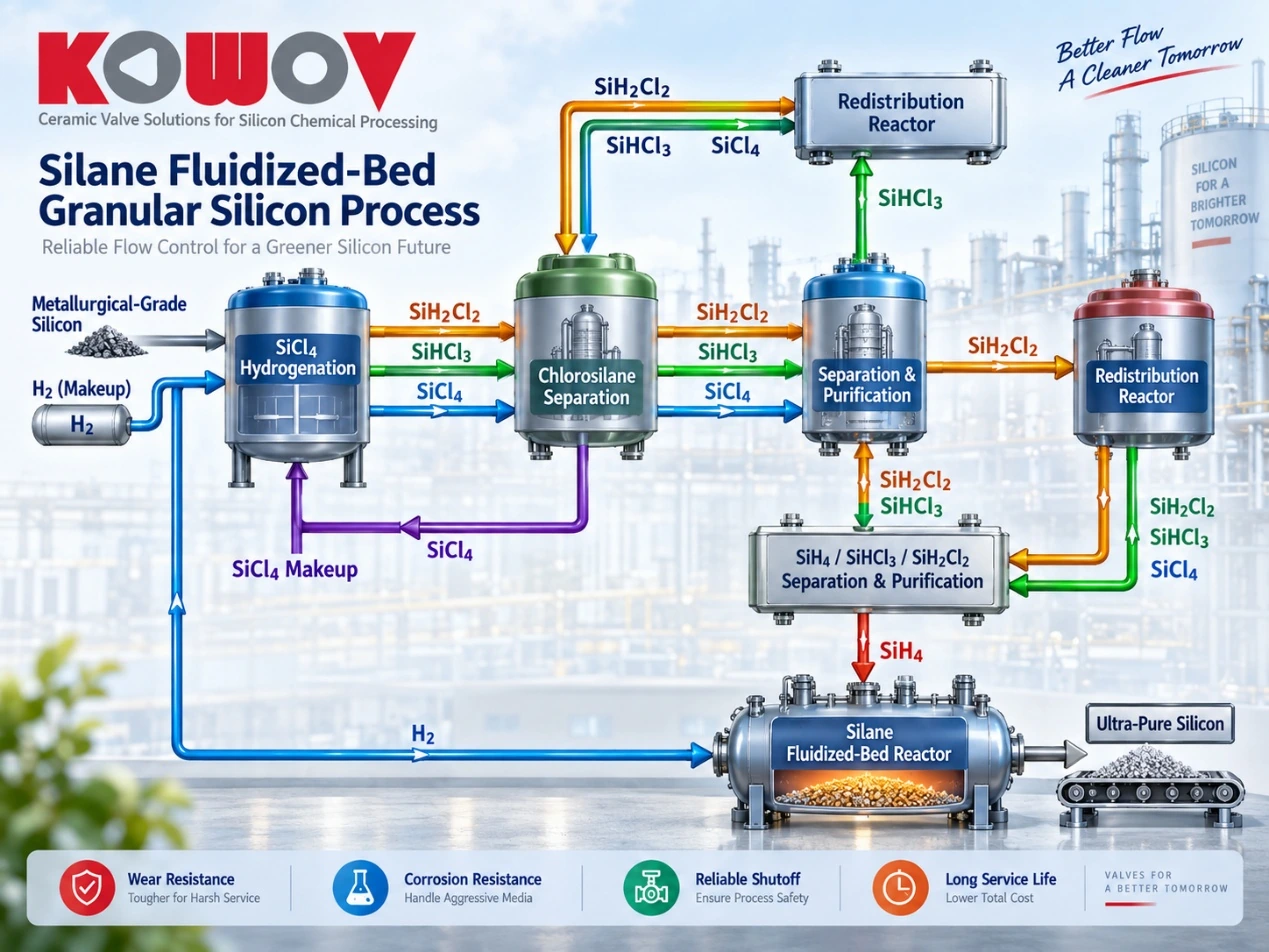
Silane Fluidized-Bed Granular Silicon
Granular Polysilicon Produced by Fluidized-Bed Chemical Vapor Deposition (FBR-CVD)
Operating Conditions
Typical process media include hydrogen, nitrogen, silicon powder, trichlorosilane, silicon tetrachloride, dichlorosilane and other chlorosilanes
| Parameter | Value | Classification | Rating / Characteristic |
|---|---|---|---|
| Process medium | Hydrogen, nitrogen, chlorosilanes, silicon powder and metal chlorides | Gas-solid two-phase | Abrasive; strict metallic-contamination control; high-purity service |
| Operating pressure | Atmospheric pressure | ASME pressure class | Class 150 |
| Differential pressure | ≤1 MPa | Nominal size | DN25-200 |
| Temperature | <250°C | Thermal behavior | No thermal shock |
Medium Characteristics
| Property | Specification |
|---|---|
| Chemical composition | Hydrogen and nitrogen |
| Corrosive constituents | None |
| pH | Not applicable |
| Solids content | Relatively high |
| Particle size | 150-600 μm |
| Particle hardness | Mohs 6-7, highly abrasive |
Special Characteristics of the Operating Conditions
Abrasion and Corrosion
- The process medium contains hydrogen, nitrogen and silicon powder. The primary requirements are resistance to abrasive wear, high cleanliness and strict prevention of metallic contamination
- Chlorosilanes react with trace moisture to form hydrochloric acid, resulting in severe corrosion of carbon steel
- Metal chlorides such as AlCl₃, FeCl₃ and TiCl₄ are high-boiling substances. They may precipitate and solidify at lower temperatures. Although their hardness is relatively low, they readily form deposits and cause severe erosive wear
Keywords: High hardness · Powder handling · High purity
Process Challenges and Key Opportunities
Materials and Designs of Existing Valves
Most existing valves are metal hard-seated ball valves or plug valves
Common Problems with Existing Valves
High-hardness particles cause severe abrasive wear. Valve sticking can score the sealing surfaces, resulting in internal leakage. Metallic contamination may also exceed the allowable product-purity limits
Replacement Intervals and Service Life
Typical service life ranges from approximately 3 to 6 months, depending on the application
Losses Caused by Shutdowns and Maintenance
- Production efficiency decreases due to interrupted continuous operation
- Leakage of flammable and explosive gases may cause serious process-safety incidents
- External material leakage may result in environmental contamination
Additional Considerations
Granular silicon is produced through a reduction process. Consequently, extremely high purity is required after calcination, typically exceeding 99.9999%
Keywords: High cost · Short service life · Frequent maintenance · Production incidents · Consistent product quality
Why Choose Ceramic Valves?
Exceptional Abrasion Resistance
- Engineered ceramics have a hardness of up to HRA 90, considerably higher than that of the process medium, silicon powder, typically around HRA 70, and therefore resist abrasive wear
- Their inorganic, non-metallic properties and stable crystal structure prevent metallic contamination
Exceptional Corrosion Resistance
- Engineered ceramics possess inherent corrosion resistance and effectively withstand complex corrosive media containing chlorosilanes and hydrogen chloride, as well as the corrosive wear generated by these substances
- This prevents deterioration in the purity of the finished material caused by metallic contamination
Fully Ceramic-Lined Ball-Valve Design
- The fully ceramic-lined ball-valve structure provides a complete ceramic flow path, preventing the process medium from contacting the metal valve body
- Its near-equal-percentage control characteristic, inherent shearing action and self-cleaning capability help prevent deposit buildup and valve sticking
- The ceramic flow path remains free from metallic wear and contamination
Service-Life Commitment
Minimum service life: control valves ≥3 years; on/off valves ≥5 years
Ceramic valves require fewer replacements, reduce plant shutdowns and production losses, and deliver lower lifecycle costs with safer, more reliable operation
Conclusion
Specialized ceramic materials effectively resolve the combined challenges of valve wear and metallic contamination. These valves have been successfully installed at critical positions across multiple production facilities operated by GCL Group, a major global producer of granular polysilicon, providing a proven solution to longstanding operational problems
Case Study
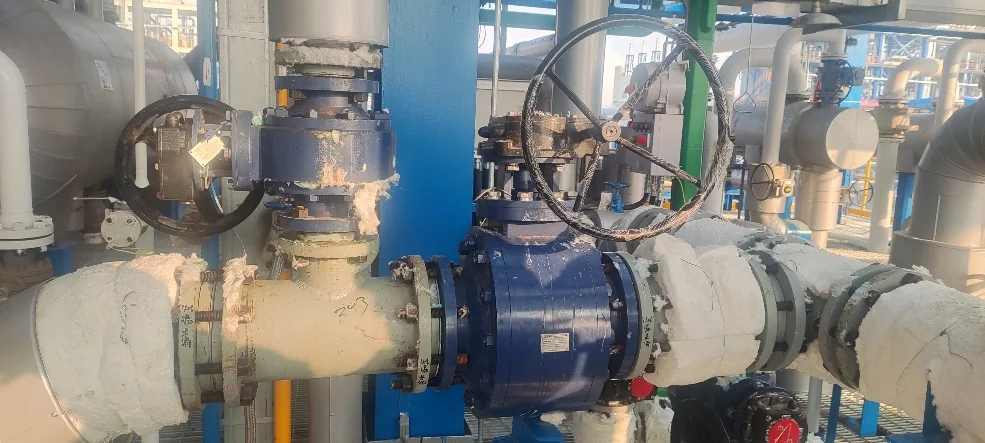
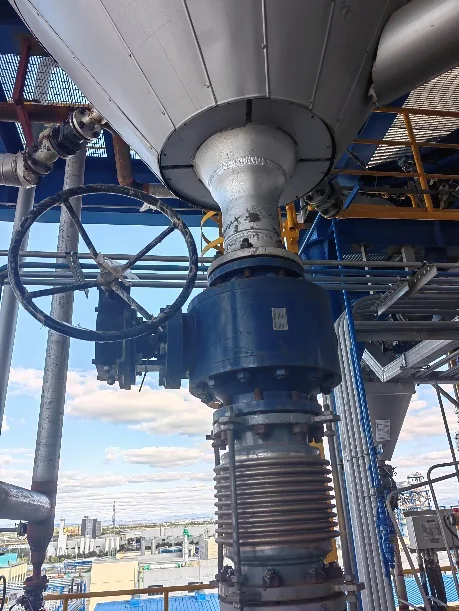
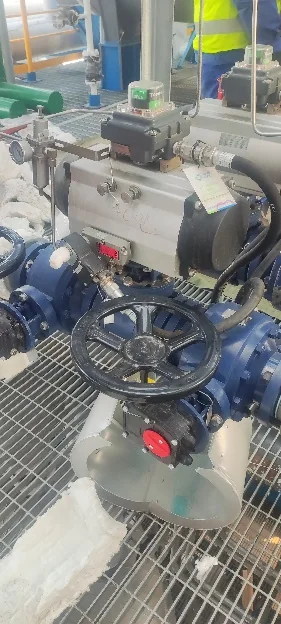
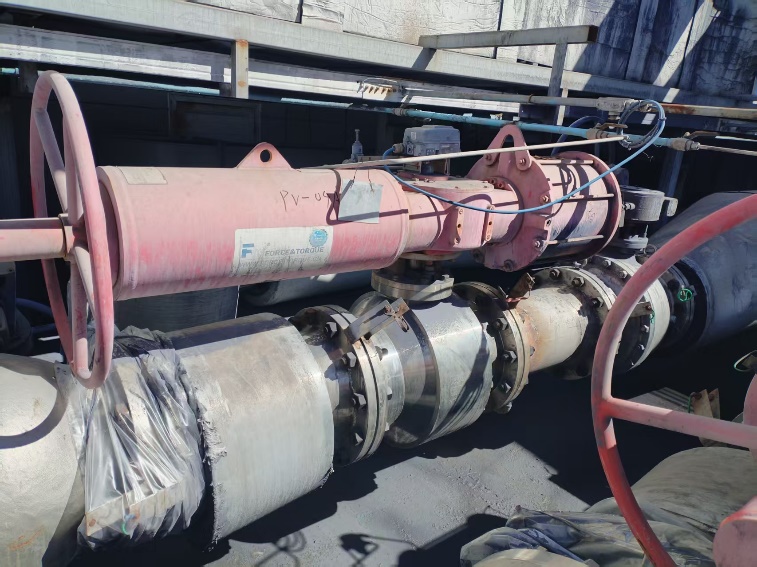
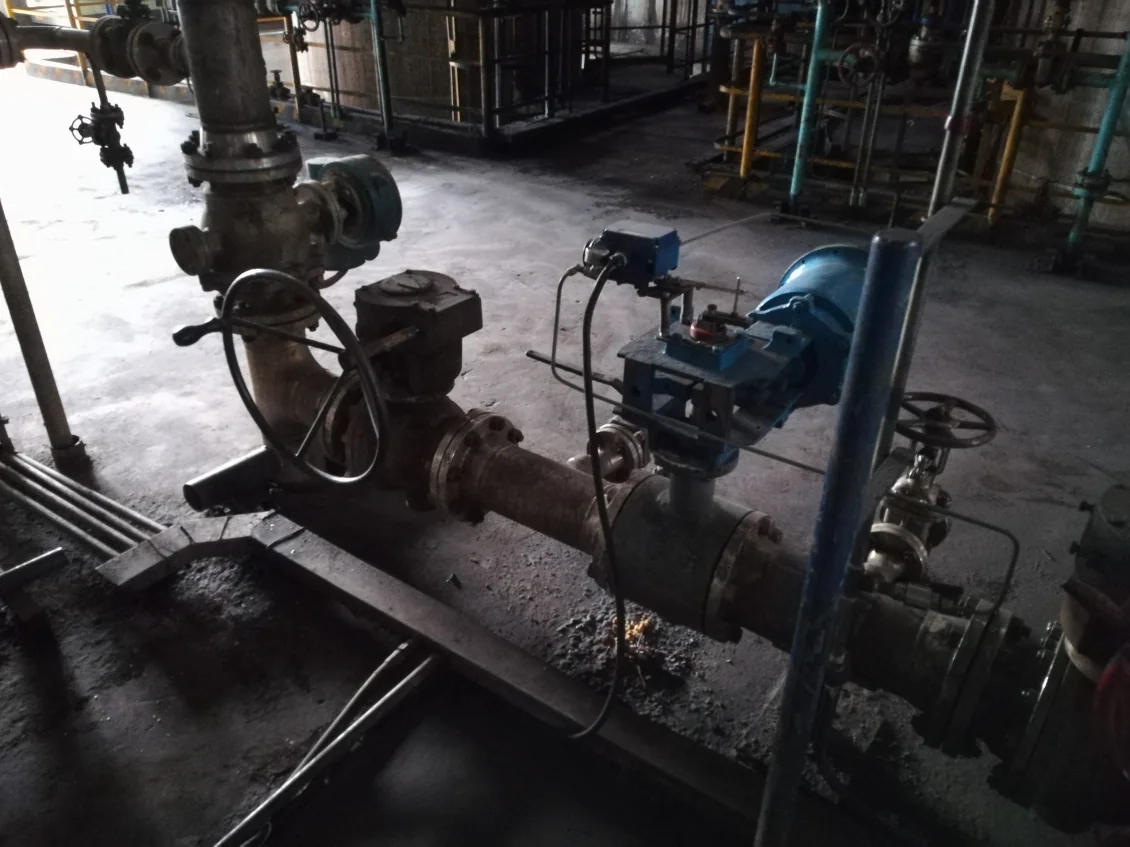
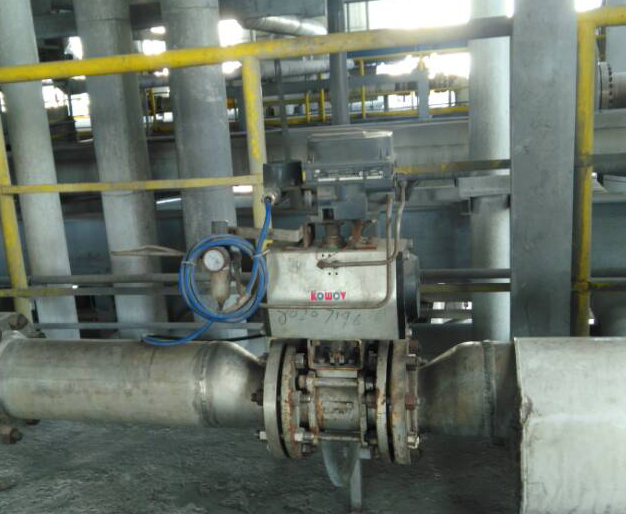
Granular Polysilicon FBR: site photographs
End Users
- Jiangsu Zhongneng Polysilicon Technology Development Co., Ltd., China, in service since 2021
- Inner Mongolia Xinhua Semiconductor Technology Co., Ltd., China, in service since 2023
- Inner Mongolia Xinhuan Silicon Energy Technology Co., Ltd., China, in service since 2023
Application Background and Results
The silane process is one of the established production routes for polysilicon and has been used for several decades. Initially applied mainly in the semiconductor industry, its industrial development progressed slowly because overseas manufacturers encountered various process-related challenges
After years of development, GCL Group adopted fluidized-bed reactor technology to produce granular polysilicon. Following significant reductions in power consumption, the process was expanded to large-scale commercial production. Detailed production technologies and operating methods remain highly confidential
The purity of the silane directly affects the quality of the downstream granular-polysilicon product. Therefore, valves used in the upstream silane-production process must withstand abrasive silicon-powder conveying while meeting extremely stringent cleanliness requirements
Because of the complexity of the process, ceramic valves are effectively the only valve solution capable of simultaneously preventing particle-induced wear and metallic contamination of the silane stream caused by conventional metal valves
Conclusion
Proven service life
- Control valves: ≥3 years
- On/off valves: ≥5 years
Commonly Used Products
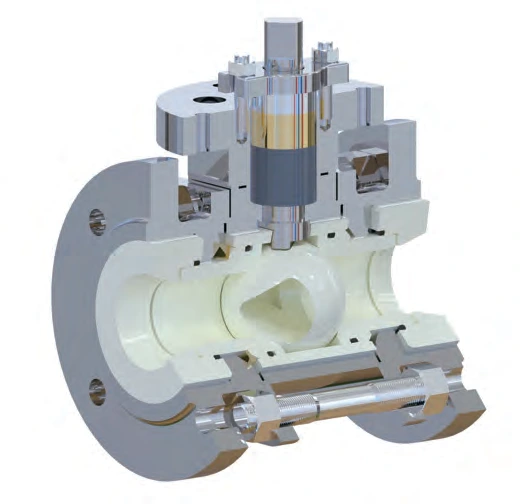
FCCV1
Standard Ceramic Ball Valve
The FCCV1 series is the standard model in the ceramic ball-valve range. It is designed for highly corrosive and severely abrasive service at temperatures up to 180°C and differential pressures up to 2.0 MPa
- Wide sealing surfaces and scraper-type valve seats provide reliable shutoff and extended service life
- The ball and valve-seat sealing surfaces are match-lapped to ensure tight sealing
- The stuffing box incorporates live loading that maintains a constant packing load even after substantial wear, extending packing service life
- The symmetrical valve design provides bidirectional sealing with no flow-direction restrictions
- Wide ceramic flange-sealing surfaces protect the metal flanges from erosion and corrosion by the process medium

ELCV
Economical Ceramic Ball Valve
The ELCV uses essentially the same basic structural design as the FCCV1 but does not include a top mounting platform. Materials can be selected flexibly according to the operating conditions, providing a more economical ceramic-valve solution, although overall reliability is slightly lower than that of the FCCV1
| Parameter | Specification |
|---|---|
| Valve design | Floating-ball construction |
| Flange standards | ASME B16.5 / HG / DIN / JIS |
| Pressure rating | PN10-PN50 / ASME Class 150-300 |
| Operating temperature | −40°C to 180°C |
FCRV
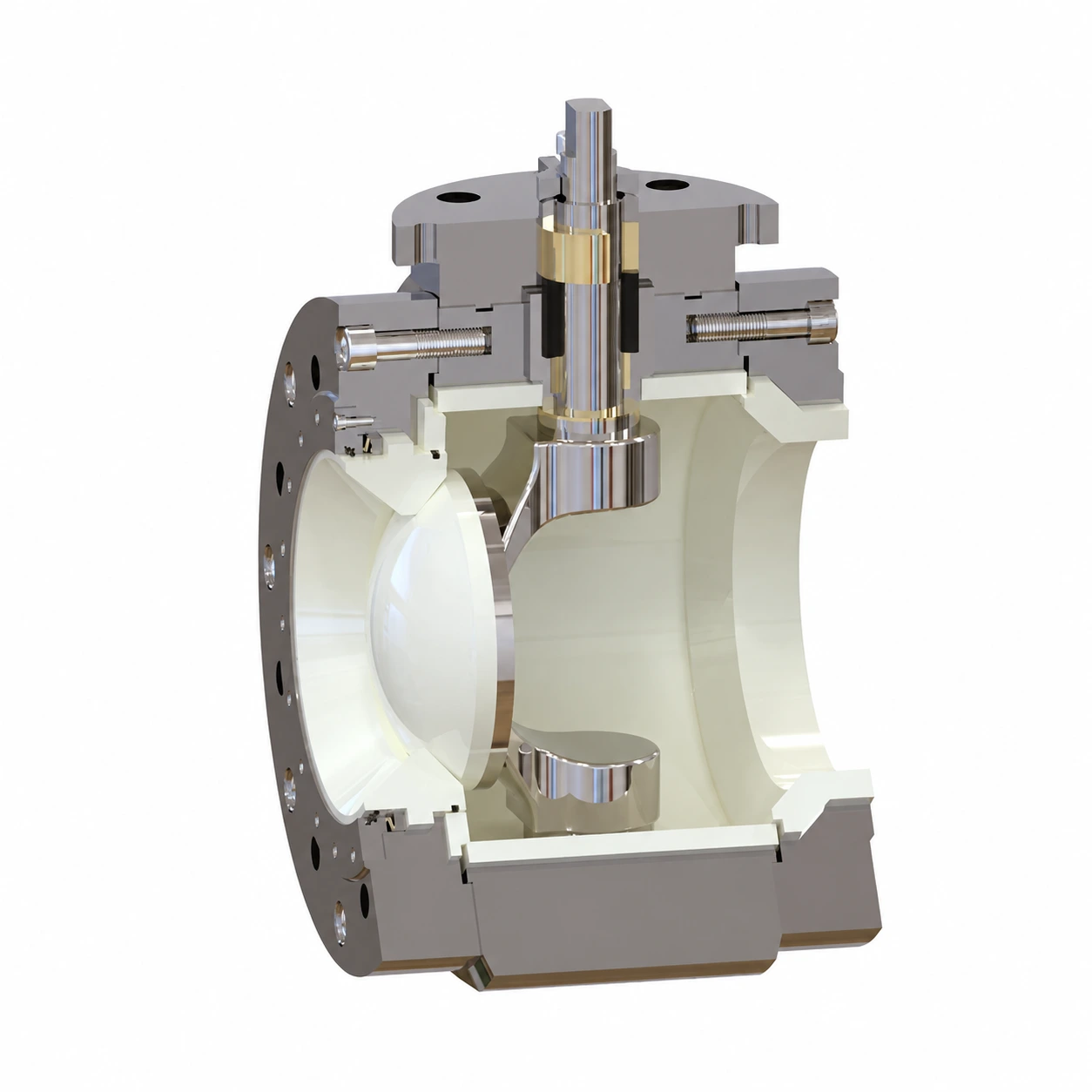
Ceramic C-Ball Valve
The valve features a special C-shaped design. Its ball consists of a C-shaped metal support and a one-piece ceramic ball segment mechanically connected and securely embedded together. The ceramic segment protects the metal support from direct erosion by the process medium
The concentric design keeps the ceramic ball segment in continuous contact with the seat during operation, allowing it to scrape away deposits adhering to the sealing surfaces and maintain reliable shut-off performance. It is particularly suitable for media prone to crystallization, scaling, agglomeration, high solids loading and valve jamming. Its cavity-free design minimizes material accumulation inside the valve
Size range: DN50-400
View FCRVContact Us
Talk to our team about your granular polysilicon FBR application
Discuss your application