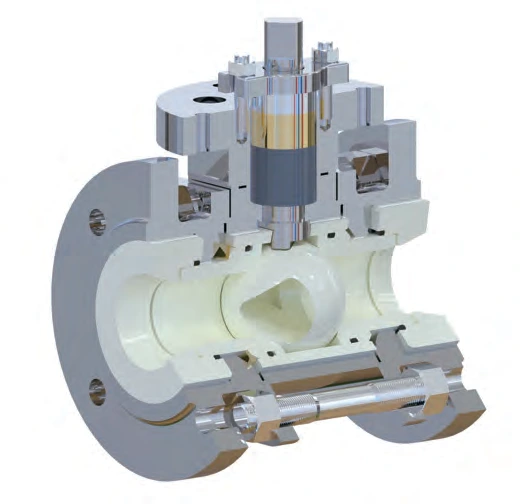
FCCV1
Standard ceramic ball valve
Ceramic ball and seat construction for isolation and specified control duties in abrasive and corrosive media

Standard ceramic ball valve
Ceramic ball and seat construction for isolation and specified control duties in abrasive and corrosive media
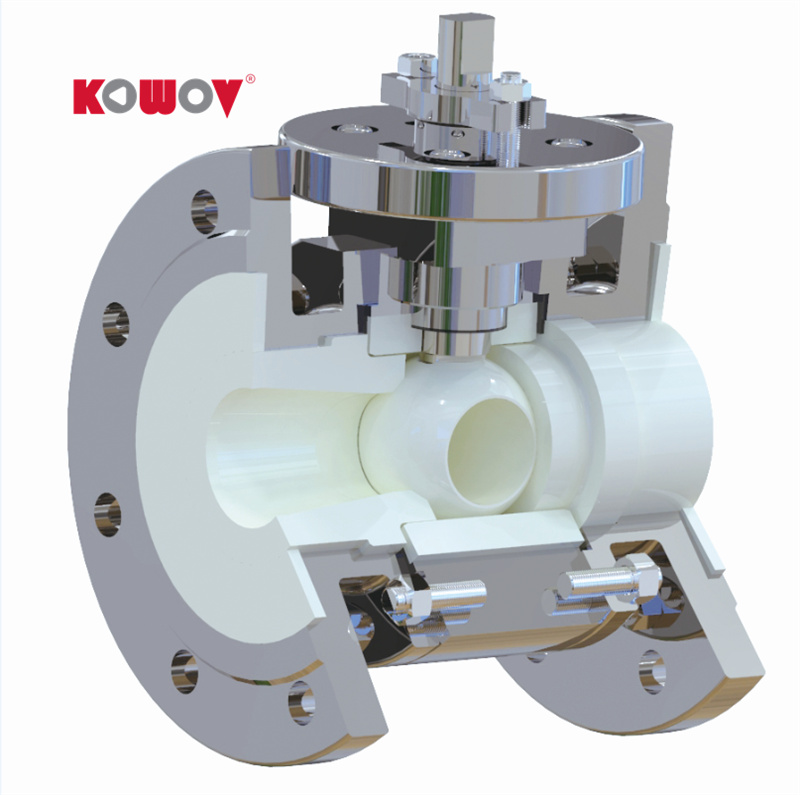
High-temperature ceramic ball valve
For high-temperature service, with materials and sealing selected around the working temperature, pressure and thermal cycling
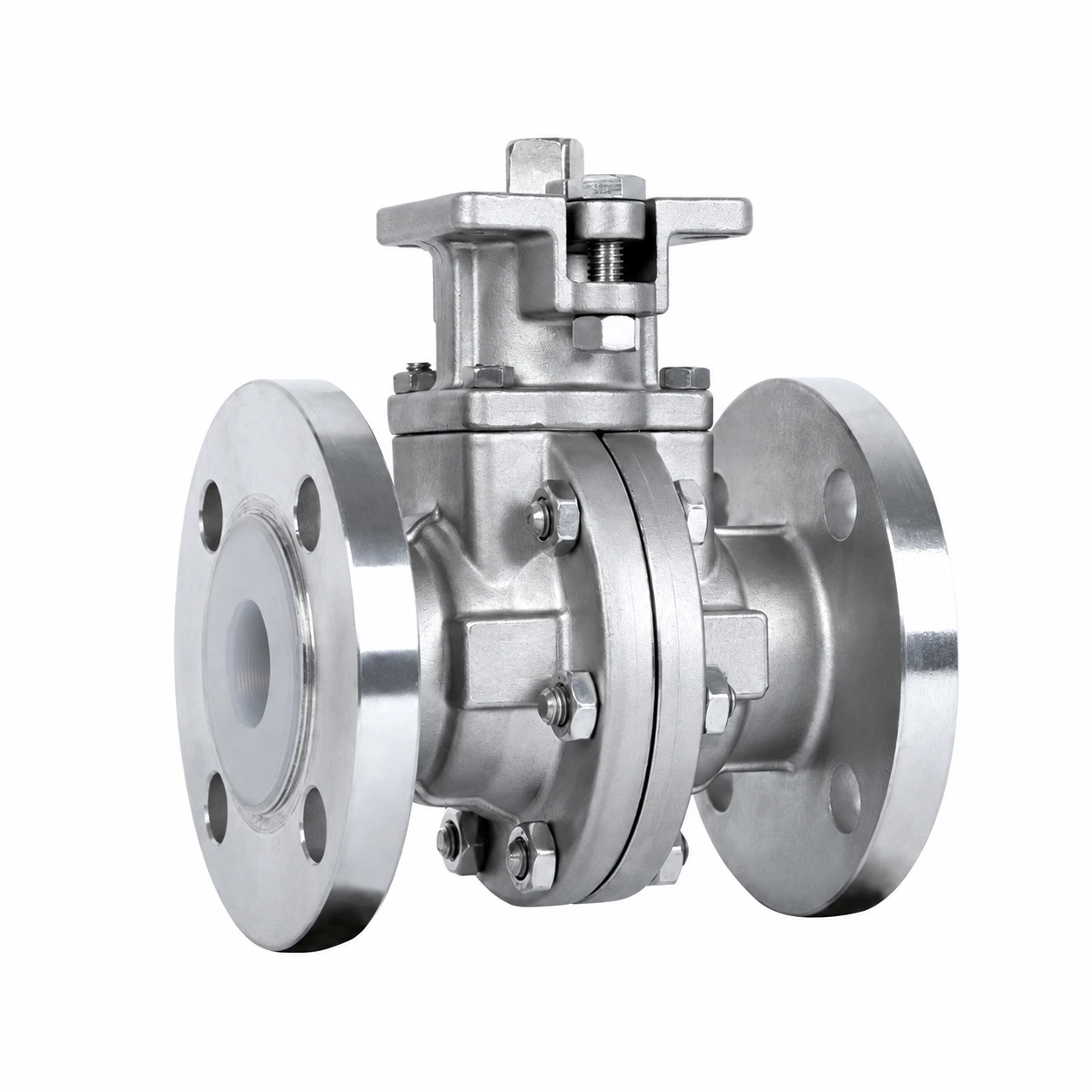
F-lined ceramic ball valve
A fluoropolymer-lined construction for compatible, particle-free corrosive liquids; lining selection depends on chemical composition, concentration and temperature
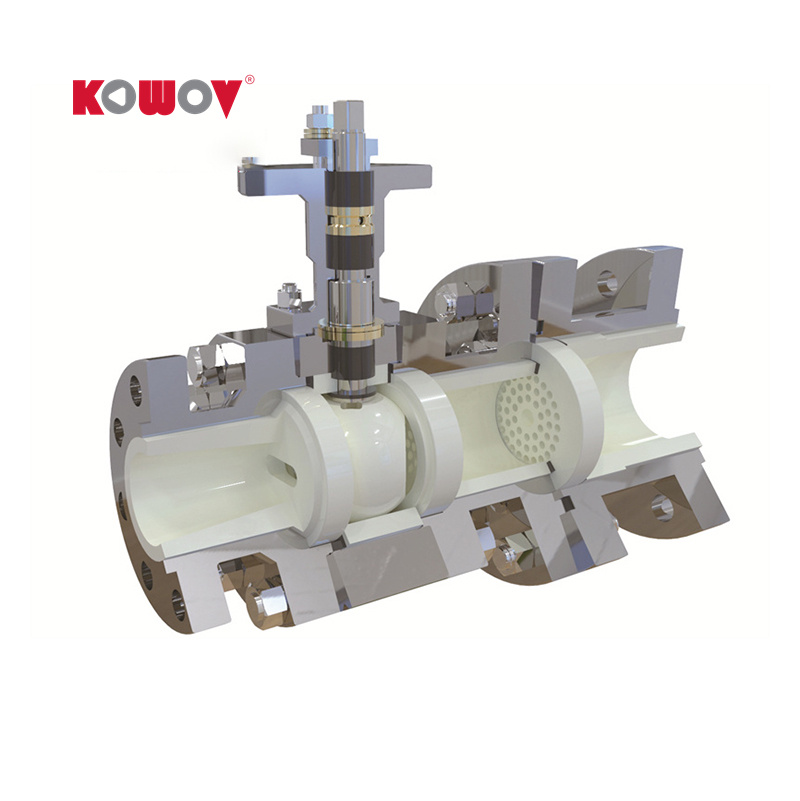
Anti-deflection ceramic ball valve
An anti-deflection construction for defined seat-loading requirements, selected around pressure differential, flow direction and sealing duty
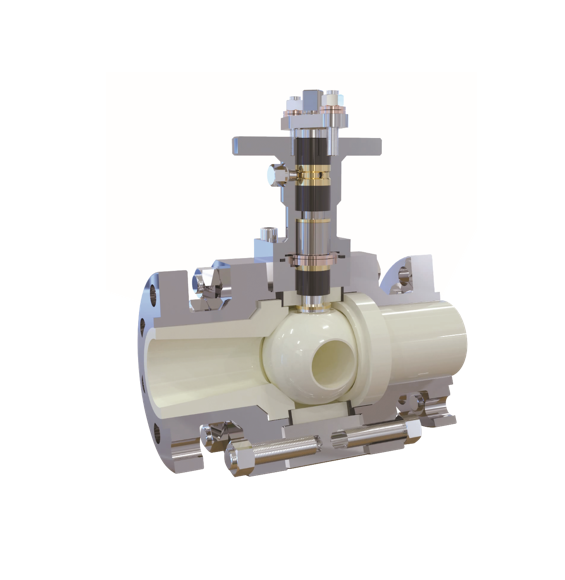
High-temperature, high-pressure ceramic ball valve
A dedicated construction for high-temperature, high-pressure duty, including demanding pressure-reduction positions where the pressure profile and downstream arrangement require review
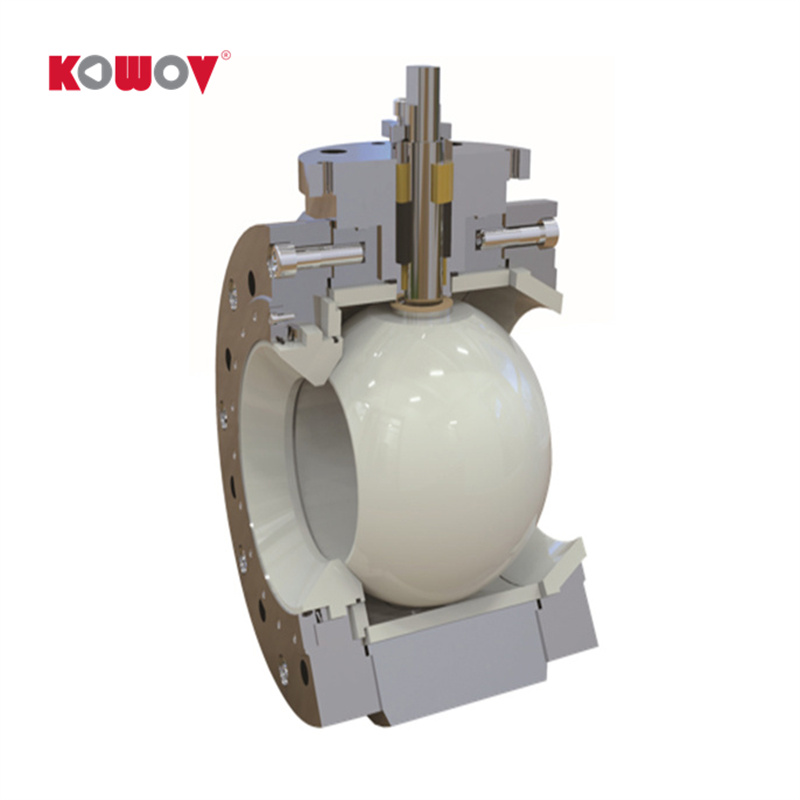
Single-seat ceramic ball valve
A single-seat arrangement for defined flow direction and control duty, with pressure direction, shutoff requirements and deposits considered during selection
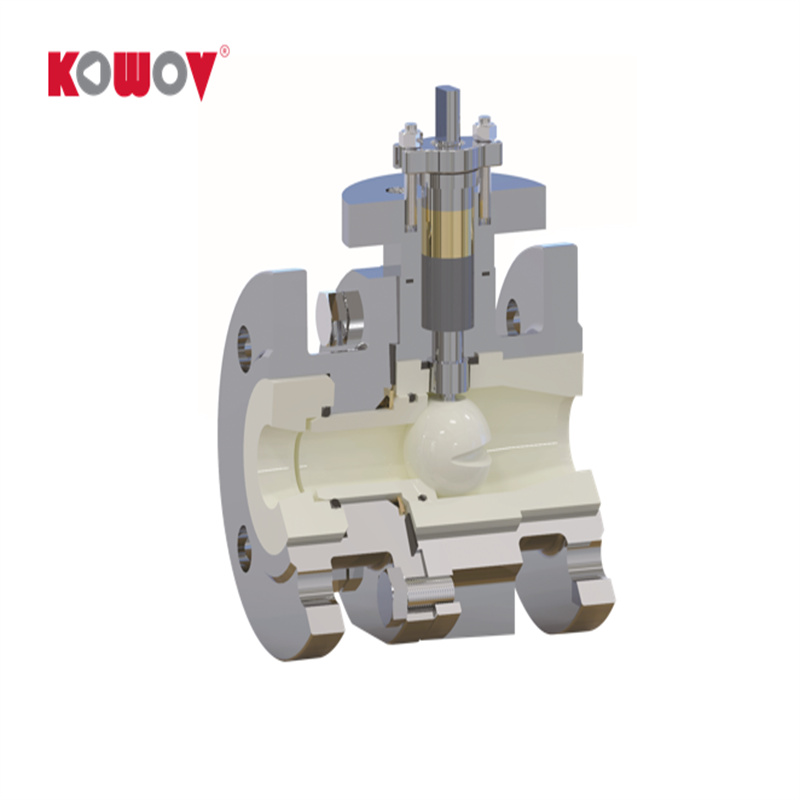
Precision-control ceramic ball valve
For precision flow control, with the valve and actuator selected around the operating flow range, differential pressure and required response
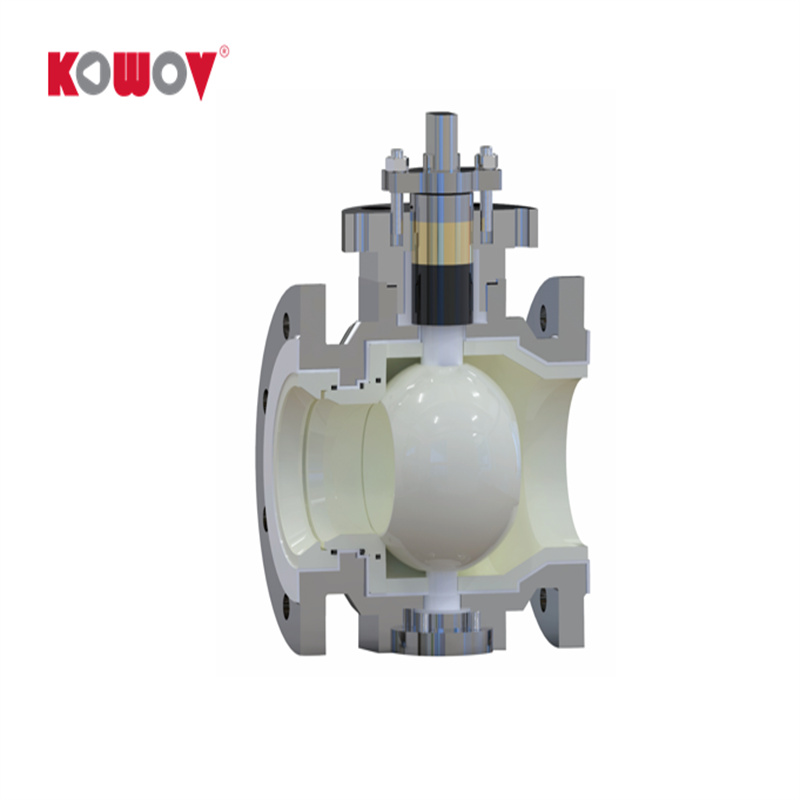
Double-lining ceramic ball valve
A double-lining construction for a specified wetted-material boundary, with the complete fluid-contact path matched to chemical compatibility and sealing requirements
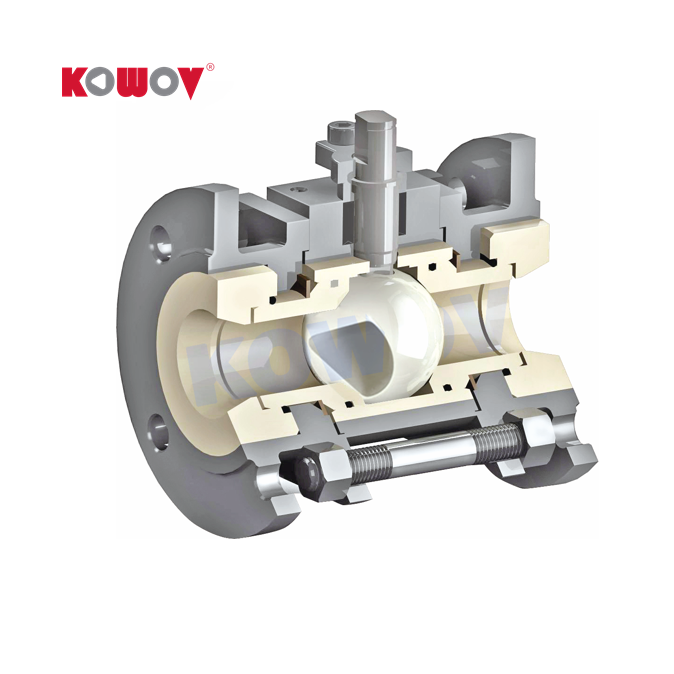
Economical ceramic ball valve
An economical construction for compatible ceramic-valve duties, with material, pressure, temperature and sealing limits reviewed separately from the standard series
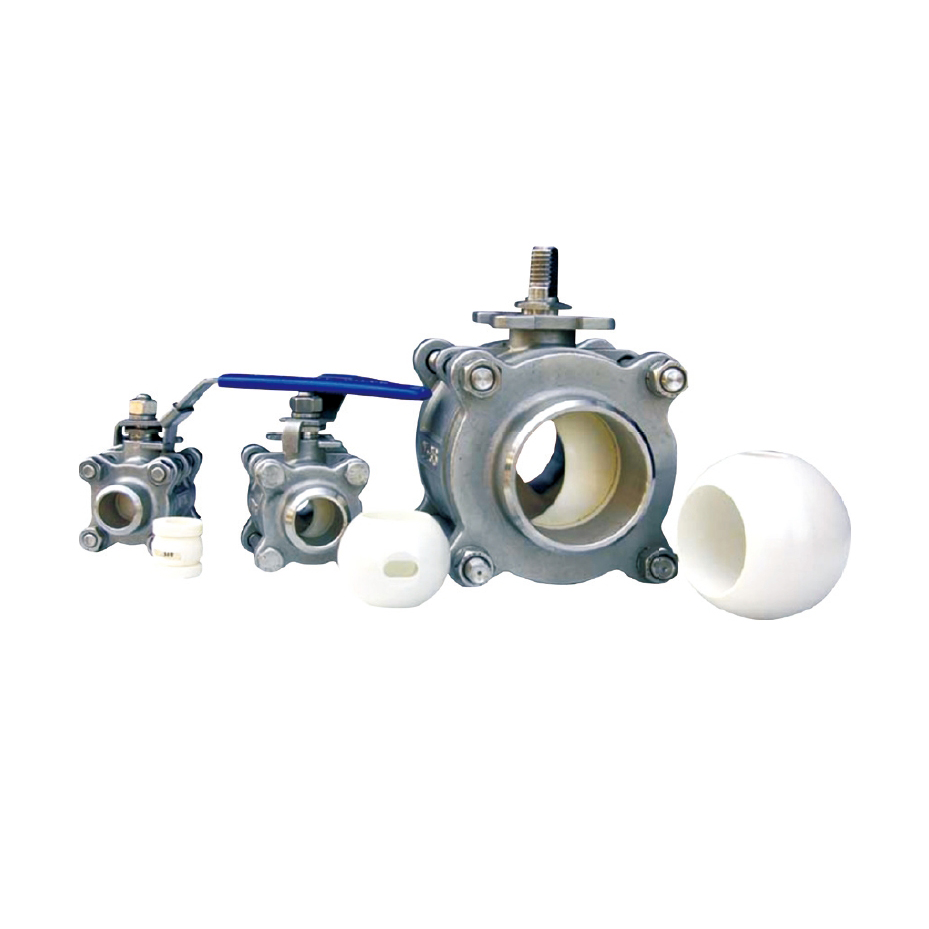
Unlined hard ceramic ball valve
Hard ceramic ball and seat surfaces without full ceramic lining; exposed wetted materials must also suit the process liquid and particle loading
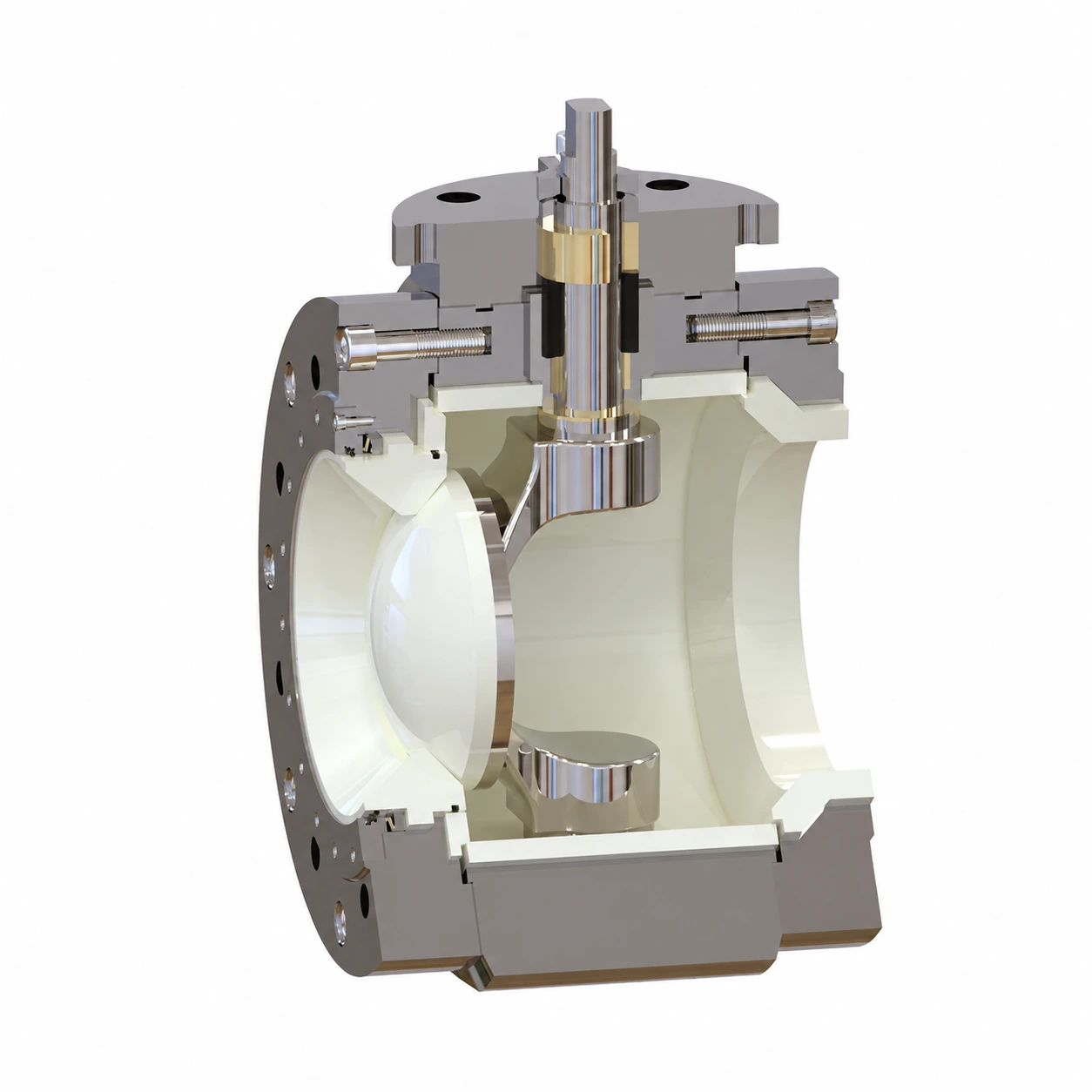
Ceramic C rotary valve
Designed for particle-bearing, viscous or crystallizing media, with a C-shaped ceramic element for demanding process duties
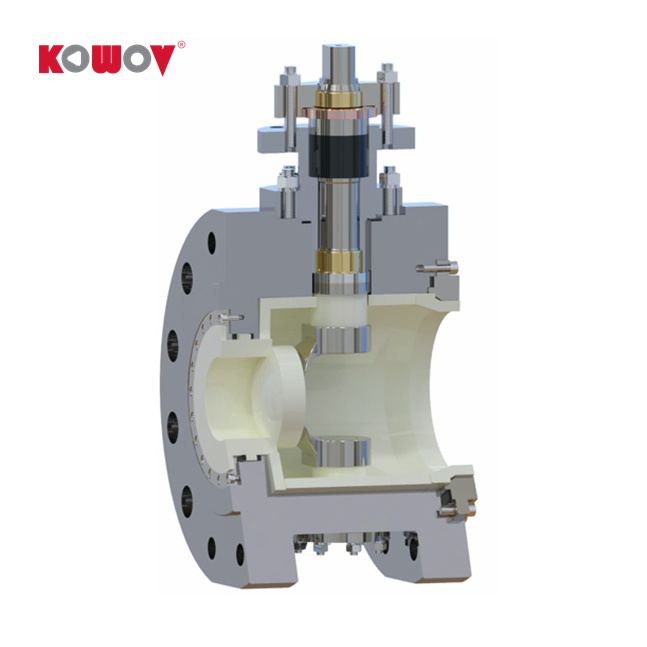
Ceramic eccentric rotary valve
An eccentric rotor and ceramic-lined flow path for isolation or regulation of multiphase media, selected around solids, scaling and the required control range
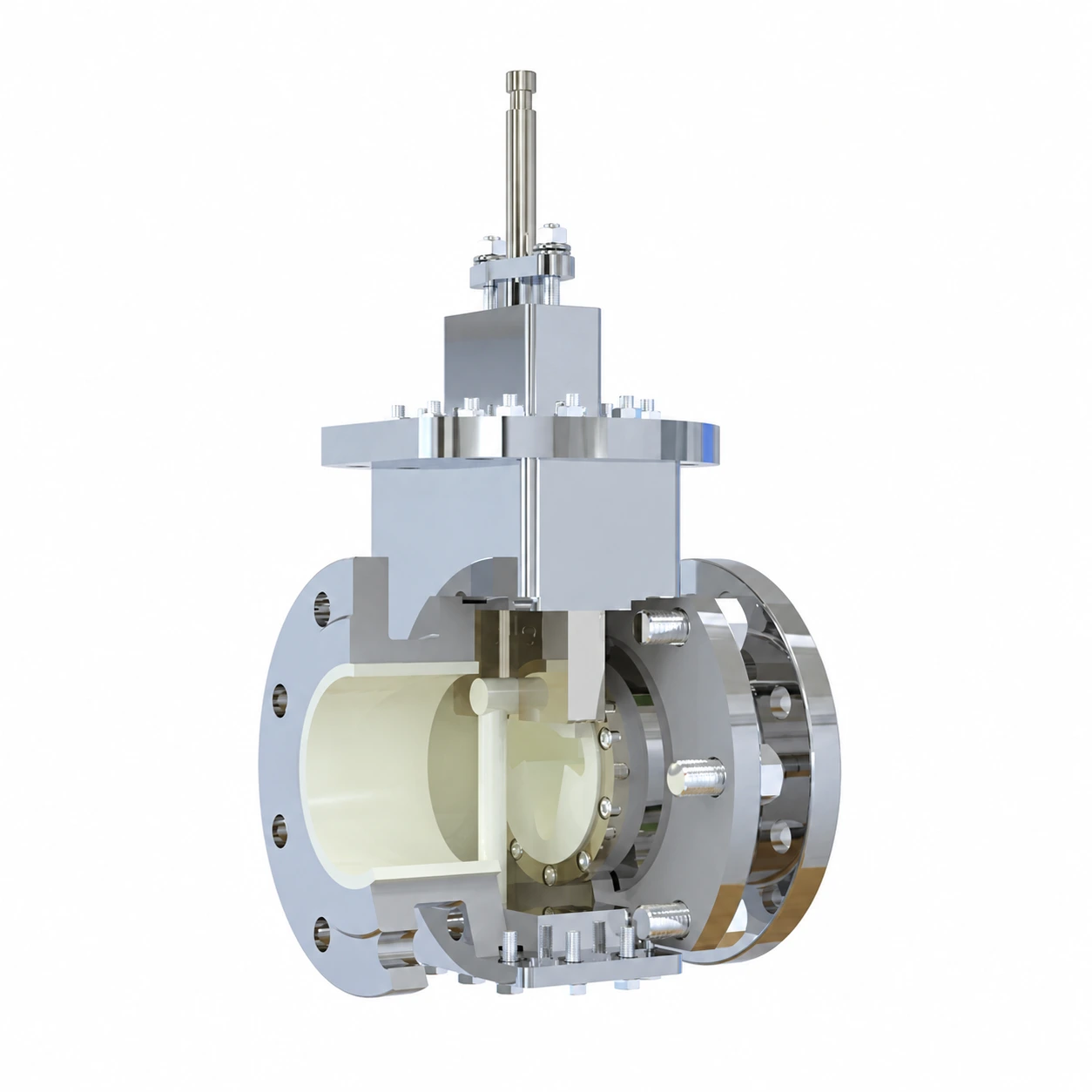
Ceramic slide control valve
For slurry flow control where directional Class IV sealing is suitable; the construction is not fully ceramic lined
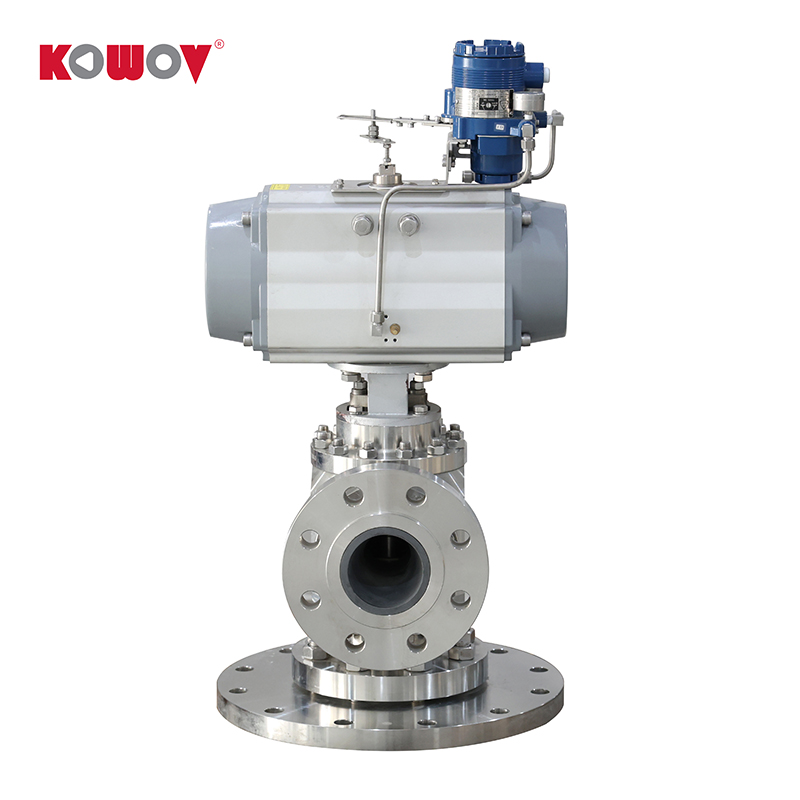
Ceramic angle control valve
An angle-body construction for specified regulating duties, with trim and downstream pipework reviewed against the medium, pressure drop and flow range
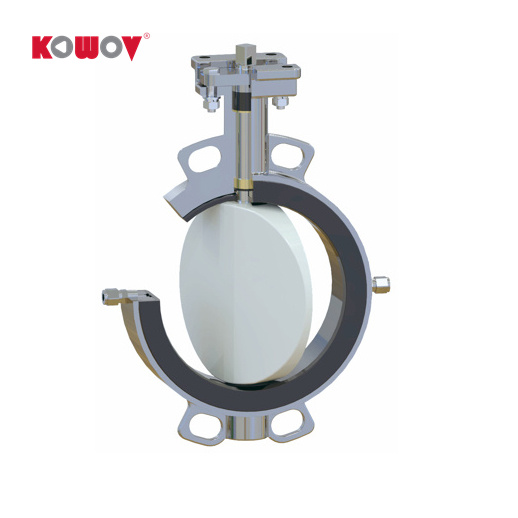
Ceramic inflatable butterfly valve
A butterfly valve with an inflatable sealing arrangement, selected around the seal supply, operating sequence, material compatibility and temperature
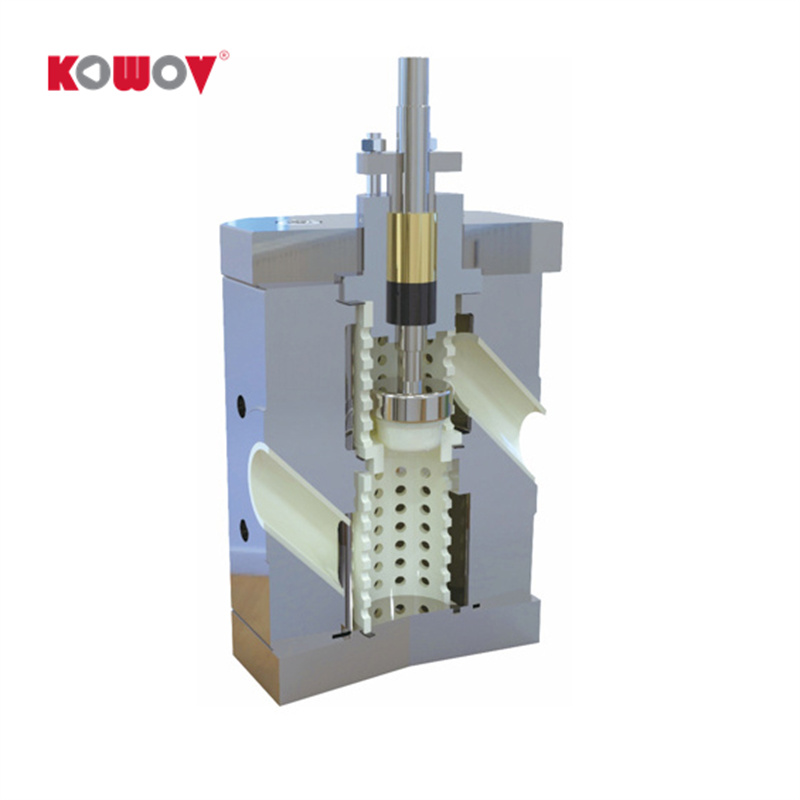
Ceramic globe control valve
A globe-style construction for specified flow-control duties, with trim and actuation matched to the flow range, pressure drop and fluid properties
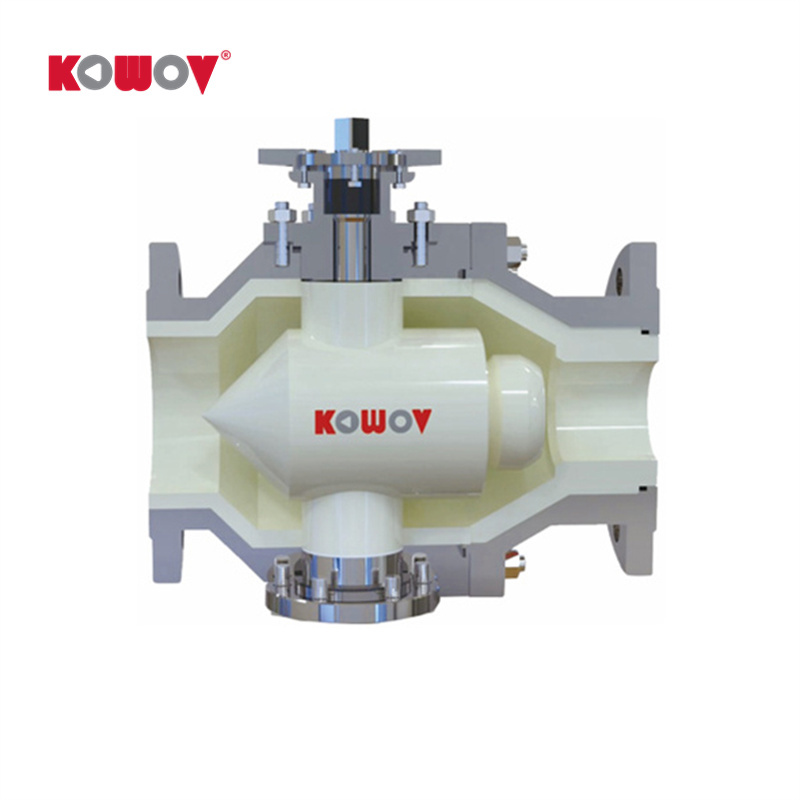
Ceramic axial-flow valve
A ceramic-lined, hard-sealed flow path with a short-stroke core and consistent flow direction for shutoff duties affected by scaling, blockage or downstream erosion
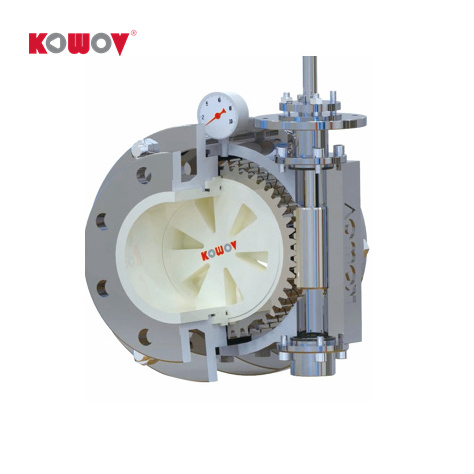
Ceramic wheel valve
A ceramic-lined wheel-valve construction that protects the flow path and stem region, with lining coverage and deposit behavior reviewed for the process
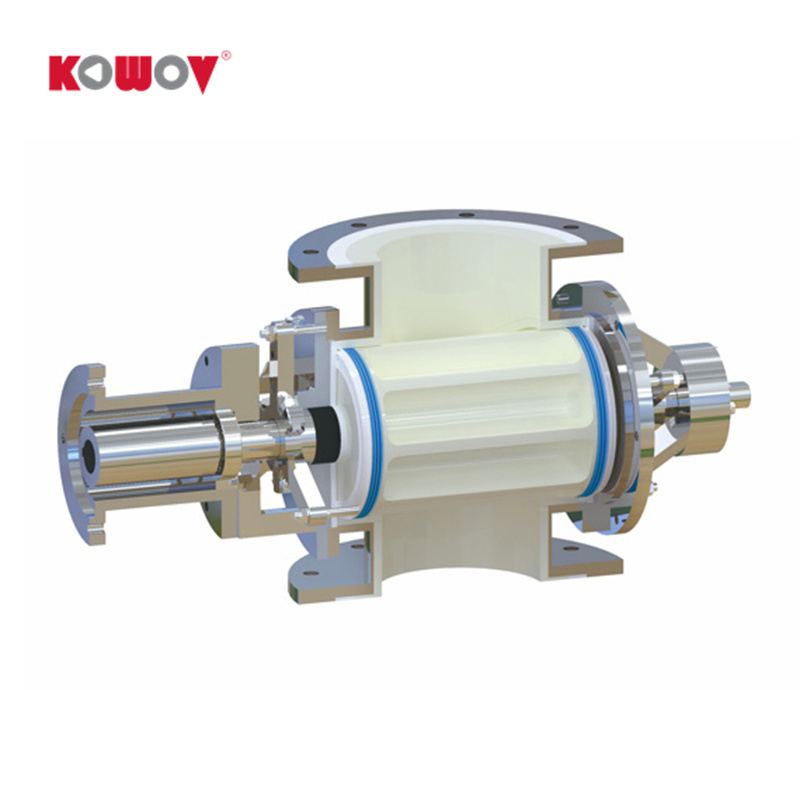
Ceramic star feeder
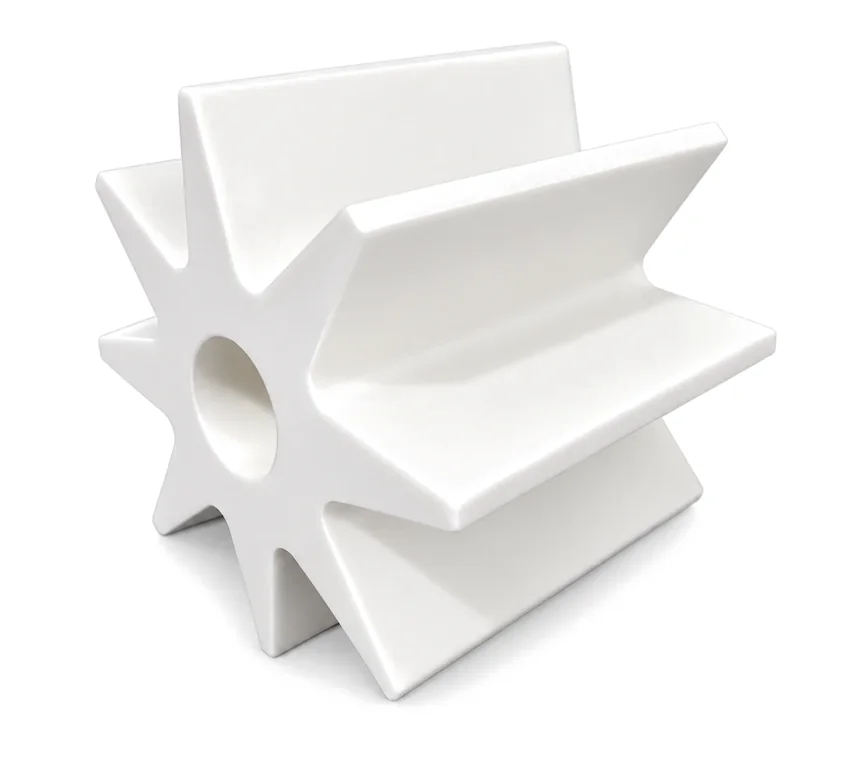
A rotary star-feed arrangement for continuous powder delivery, selected around rotor clearance, bulk density, speed and the system pressure relationship
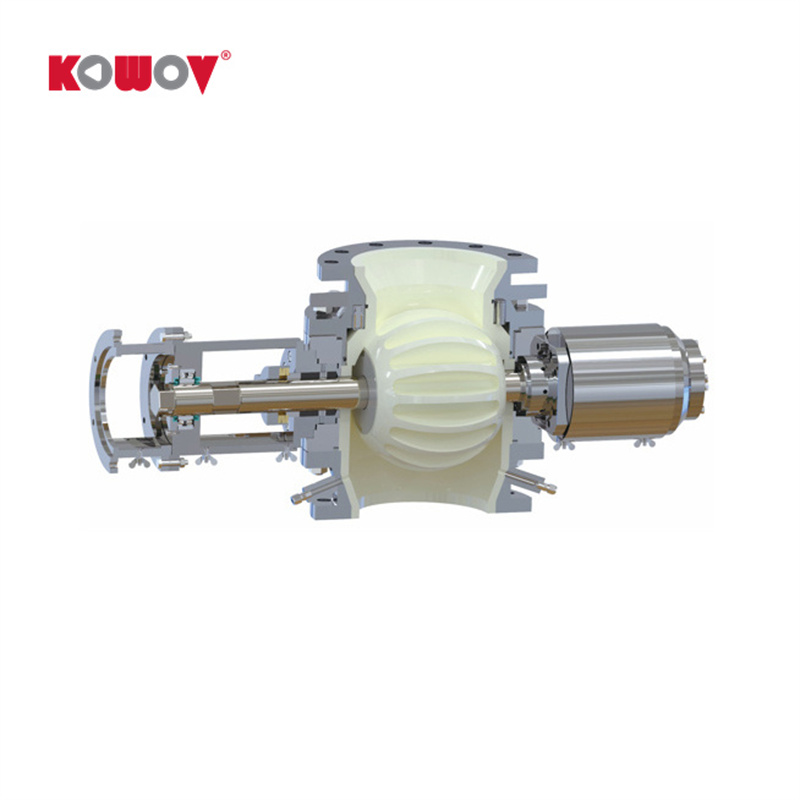
Ceramic rotary seal feeder
Continuous metering with a ceramic-lined, hard-sealed construction that limits gas backflow when downstream pressure is higher
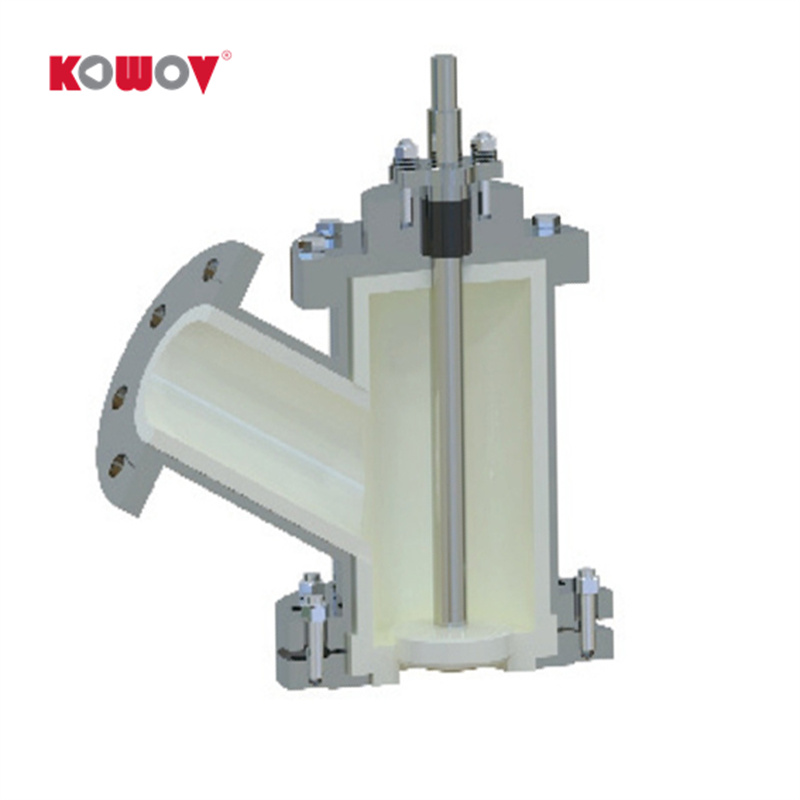
Ceramic downward-discharge valve
For reactor-vessel discharge of compatible viscous, corrosive, crystallizing or particle-bearing media, with the vessel connection and discharge clearance specified together
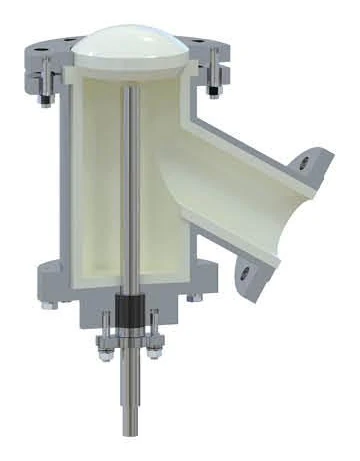
Ceramic upward-discharge valve
A fully ceramic-lined, upward-opening discharge valve for reactor vessels handling viscous, corrosive, crystallizing or particle-laden media
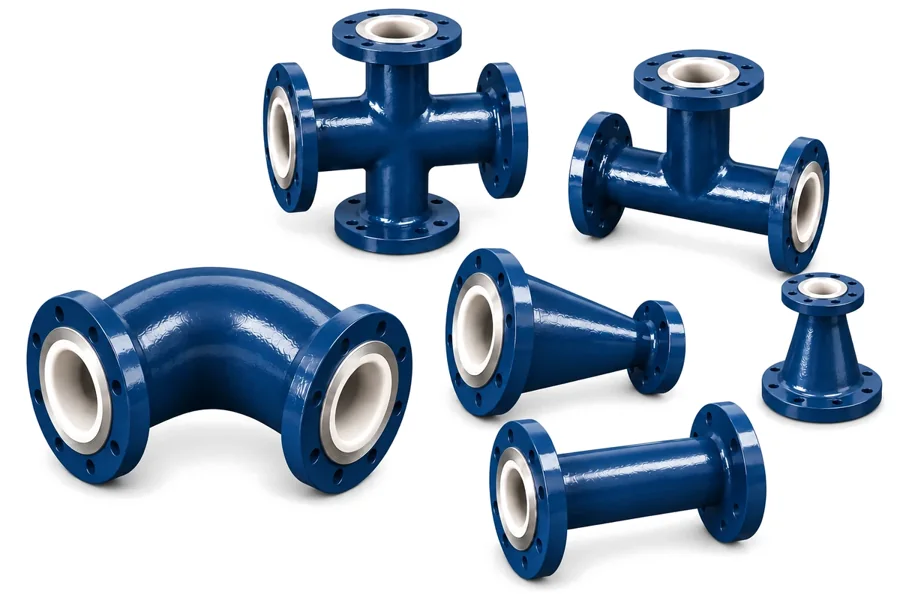
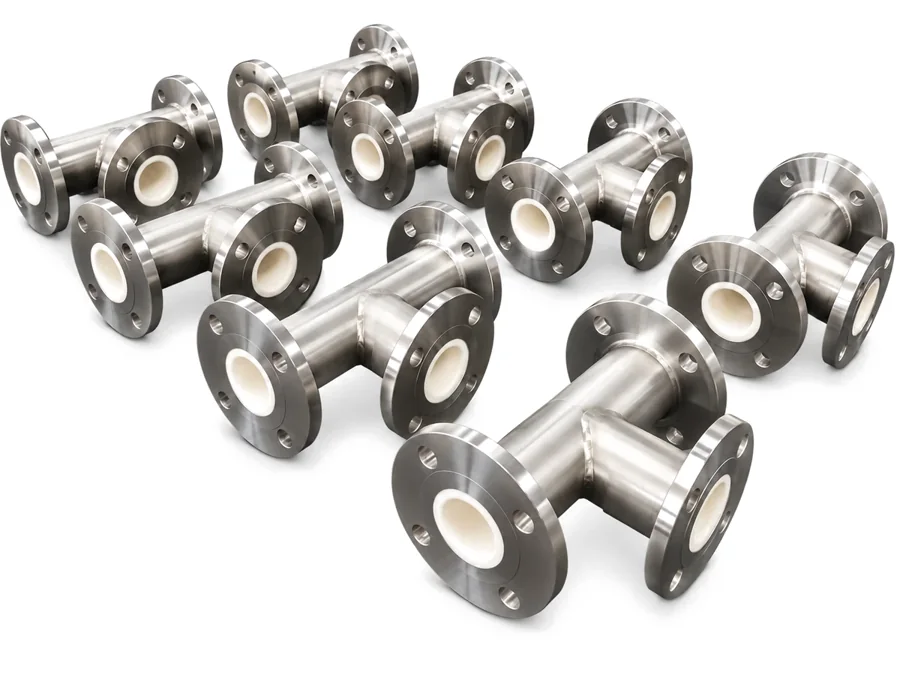
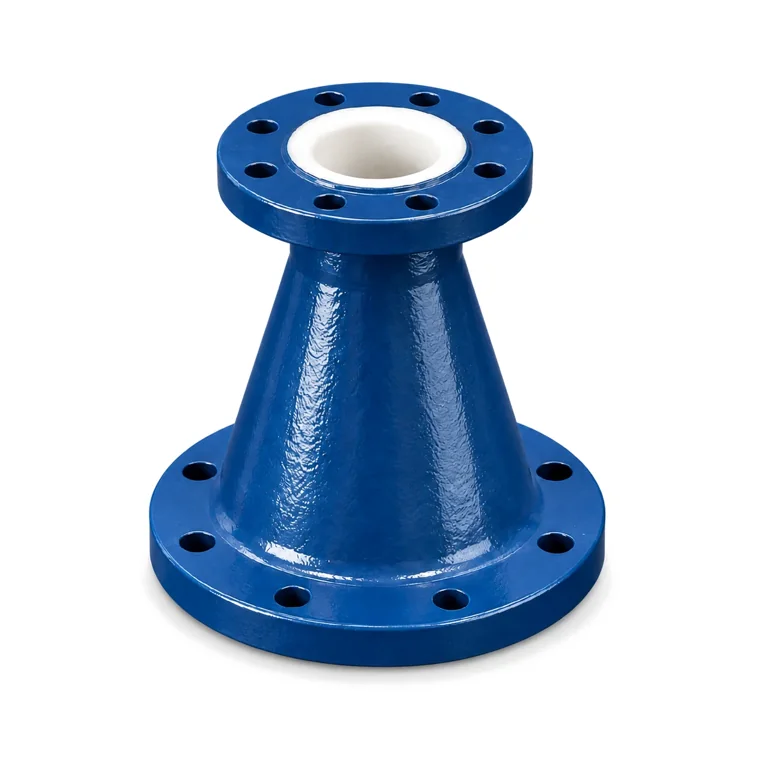
Ceramic-lined pipe, elbows, tees and reducers for the complete transfer path, with lining construction, connections and expansion requirements matched to the installation
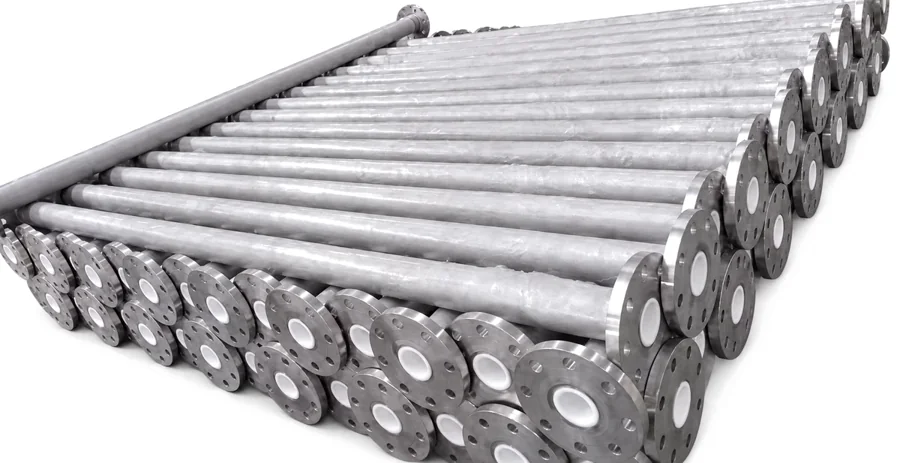
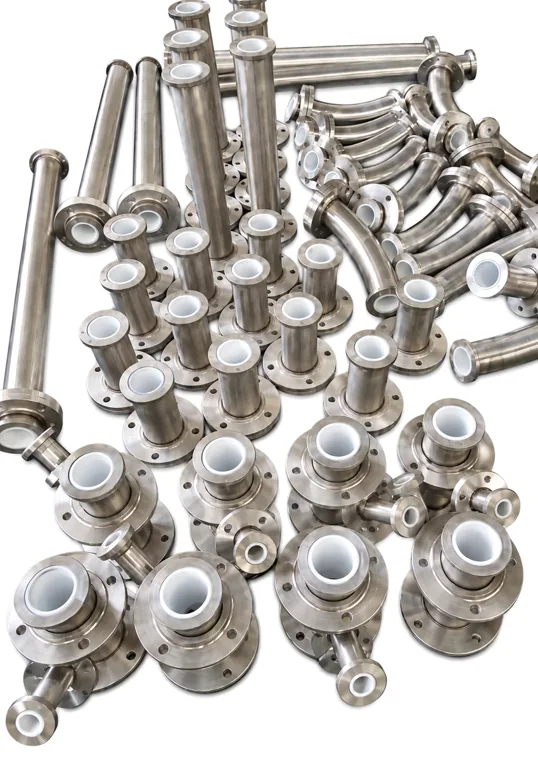
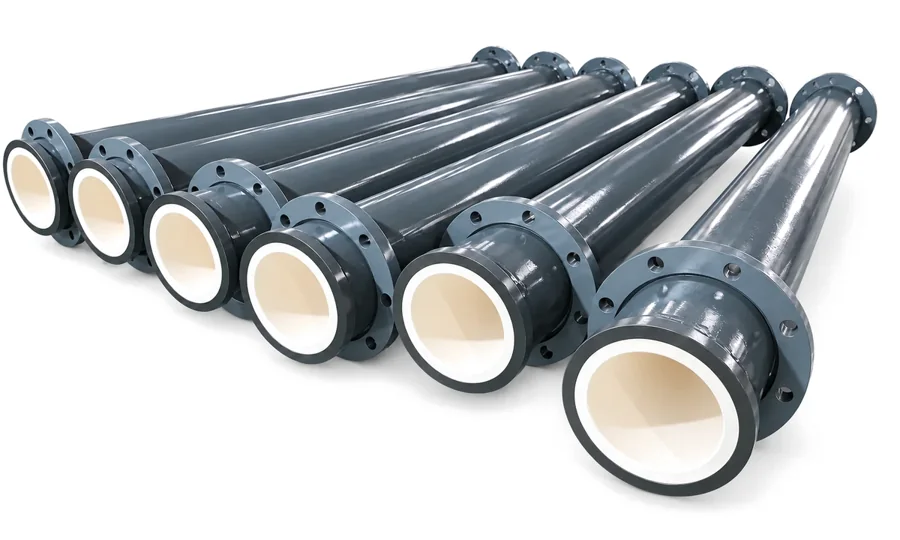
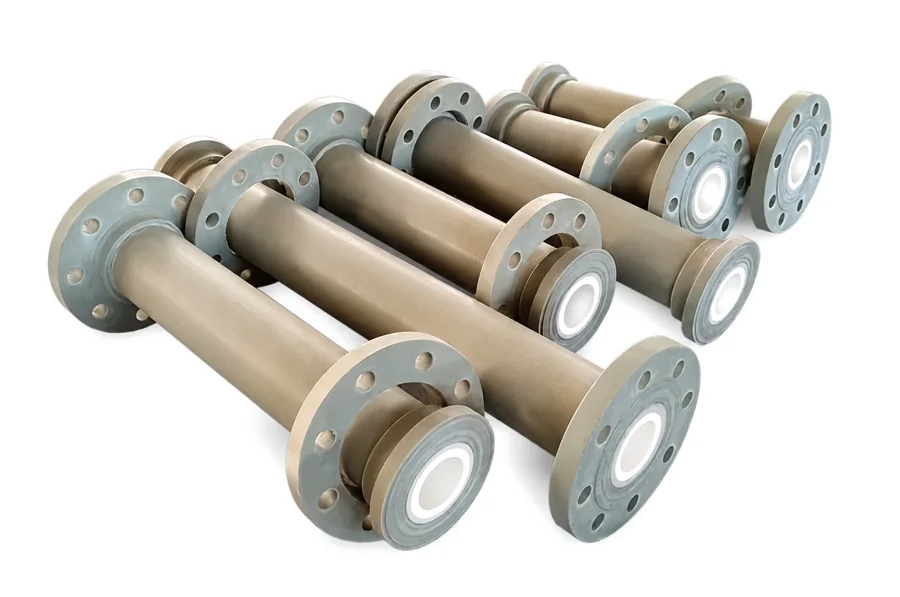
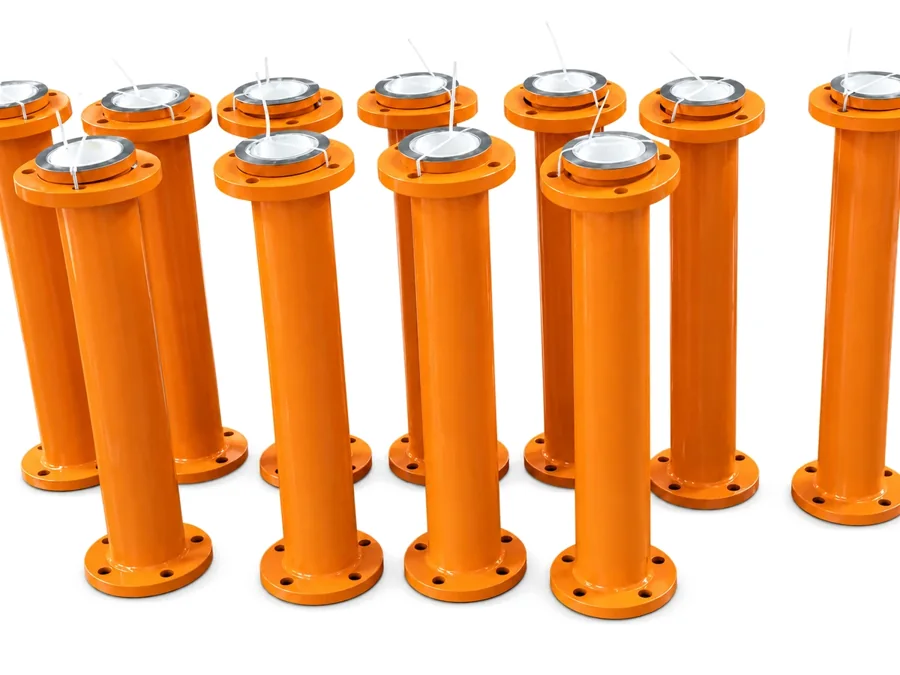
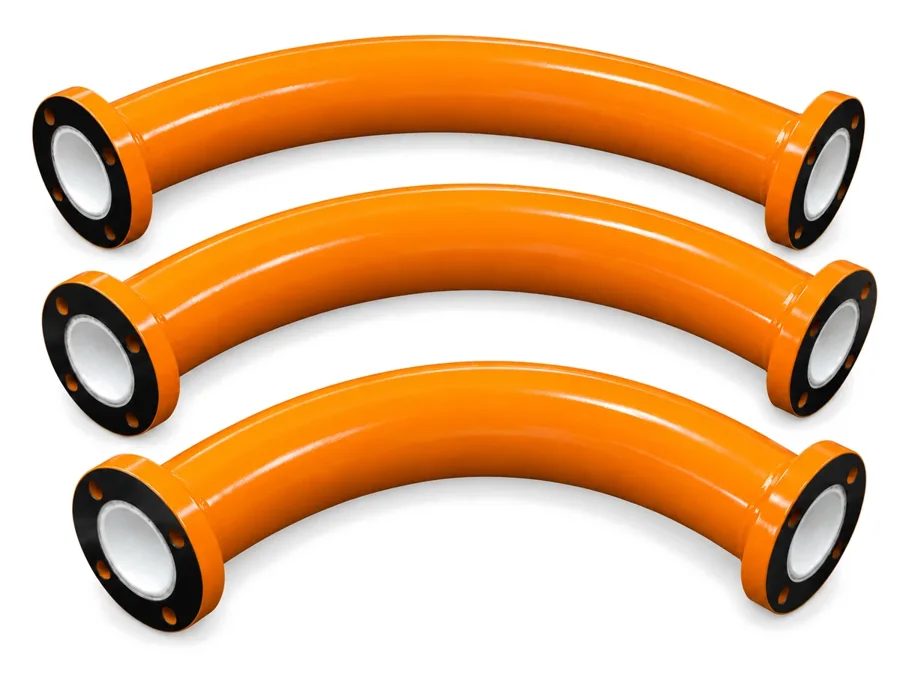
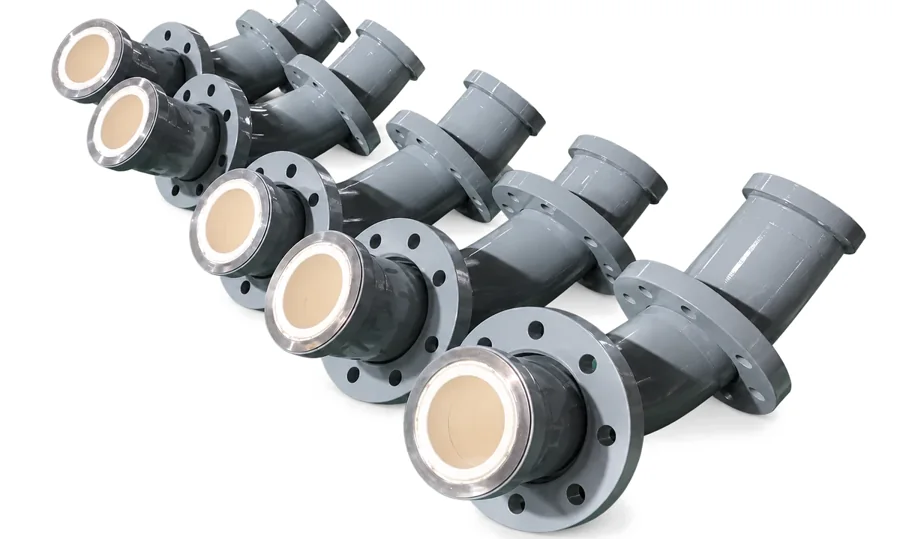
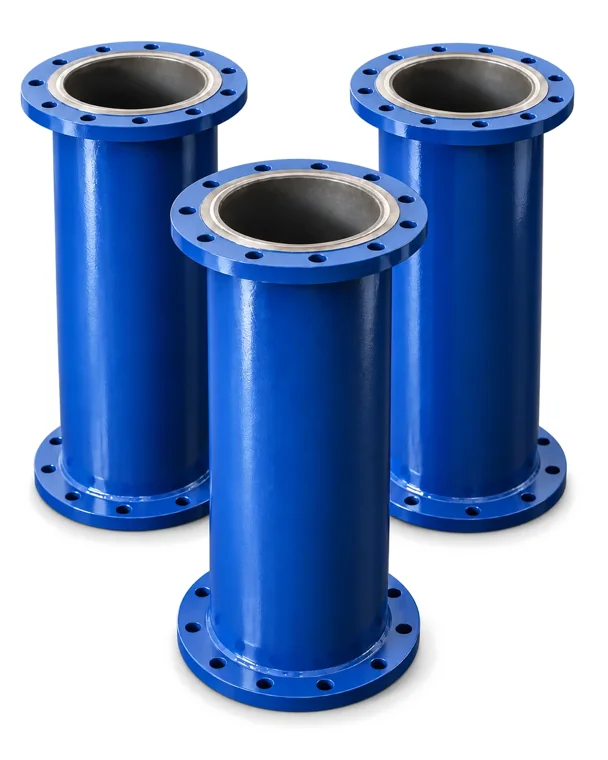
ZG1, ZG2, ZG3, ZG4 and ZG7
Segment-lined or integrally formed ceramic linings with fixed or loose flanges, plus a stud-welded wear-resistant construction
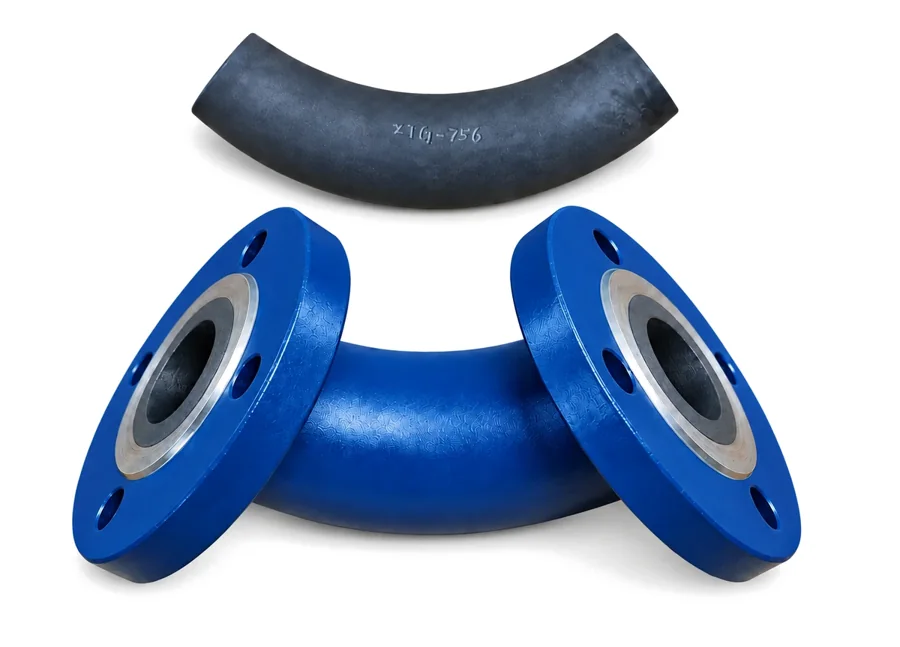
WT1, WT2, WT3 and WT4
Ceramic ring-lined or monolithic ceramic elbows with fixed or loose flanges
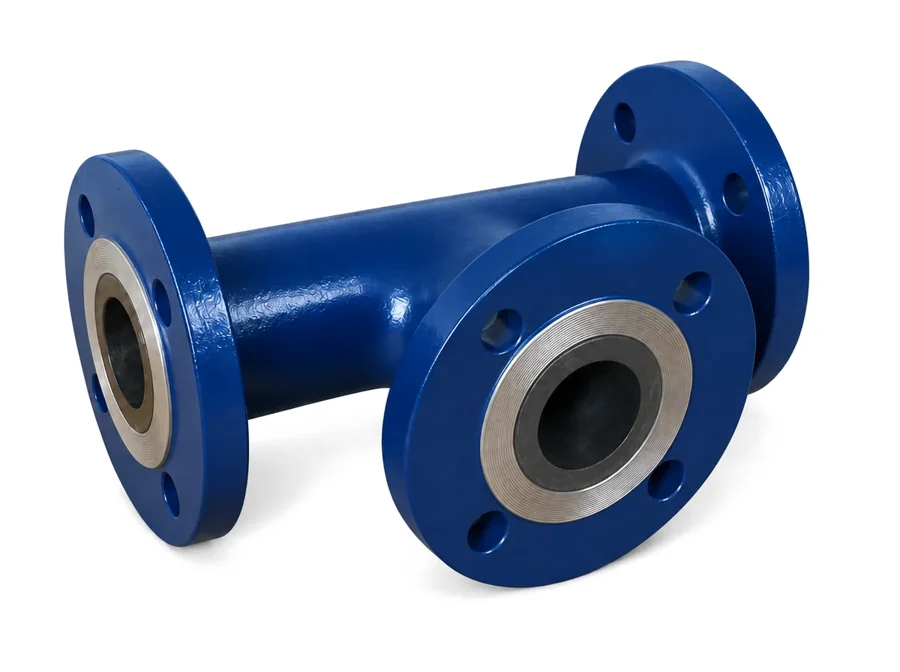
ET1 to ET4 equal tees, RT1 to RT4 reducing tees
Equal and reducing tees with ceramic ring linings or monolithic ceramic bodies, and fixed or loose flanges
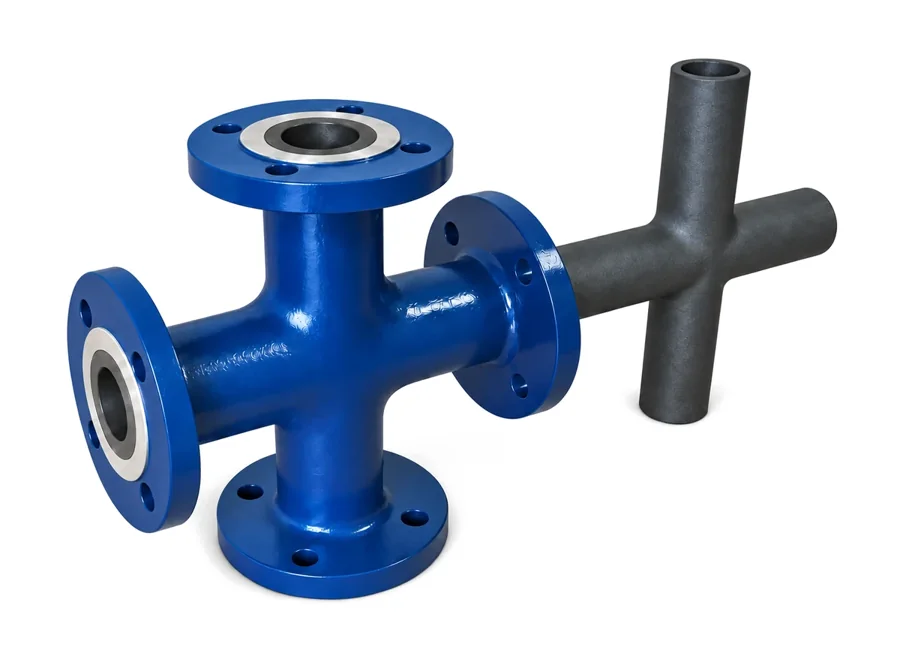
EC1 to EC4 equal crosses, RC1 to RC4 reducing crosses
Equal and reducing crosses with ceramic ring linings or monolithic ceramic bodies, and fixed or loose flanges
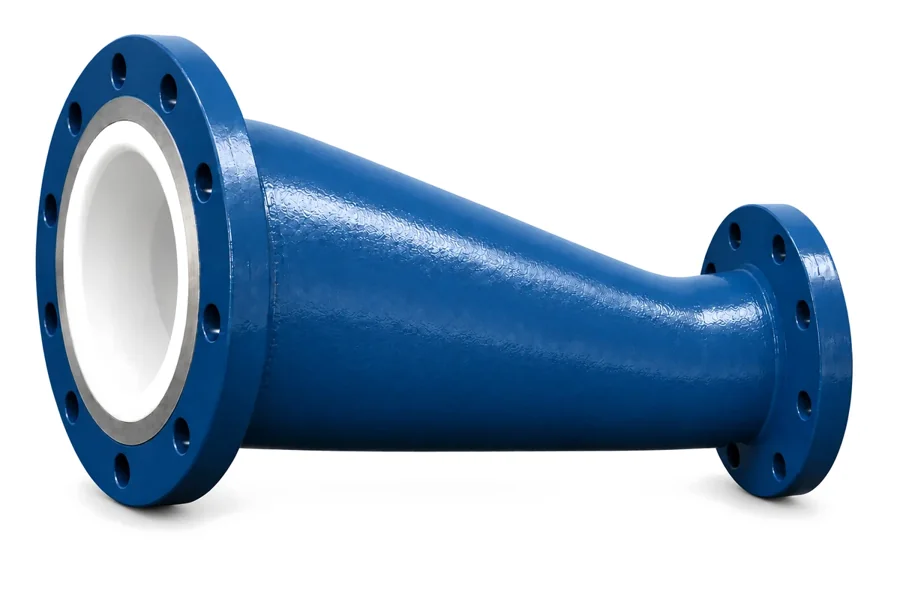
CR1 to CR4 concentric, ER1 to ER4 eccentric
Concentric and eccentric reducers with ceramic ring linings or monolithic ceramic bodies, and fixed or loose flanges
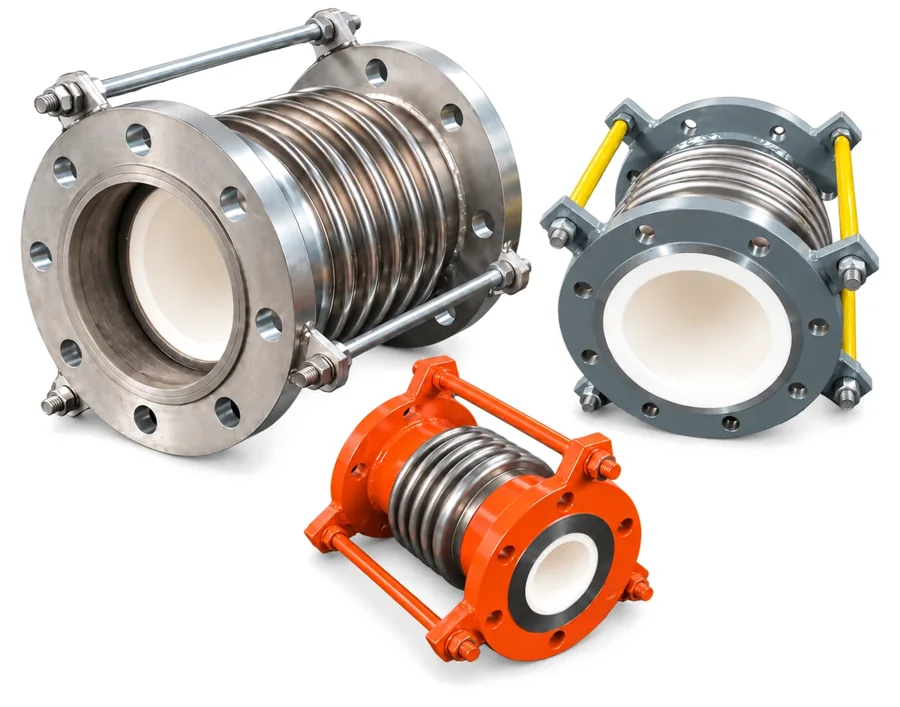
ZG8 and ZG9
A corrugated pipe compensator and an expansion joint lined with monolithic ceramic rings for movement along the line
Explore components by equipment type. Available ceramic materials include zirconia (ZrO₂), alumina (Al₂O₃), silicon carbide (SiC), silicon nitride (Si₃N₄) and zirconia-toughened alumina (ZTA). Material and dimensions are selected for the component drawing and operating duty
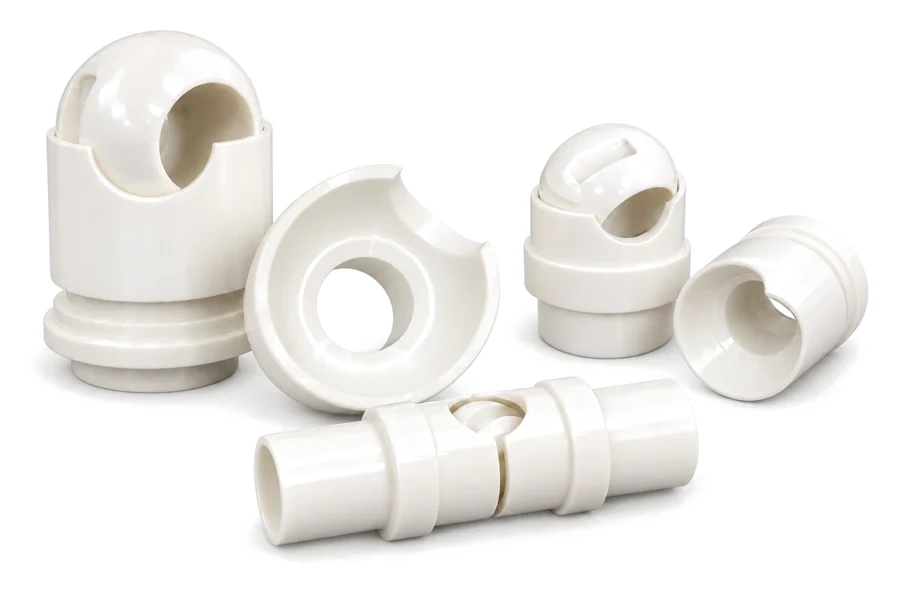
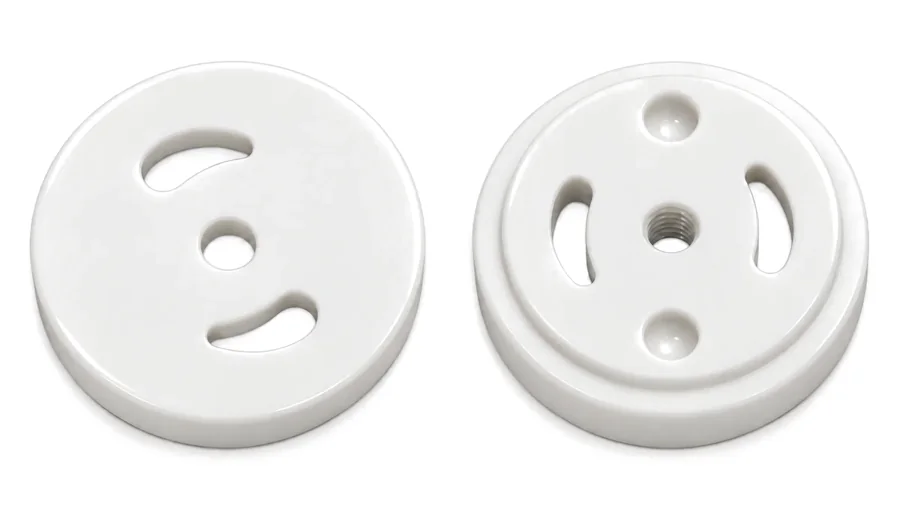
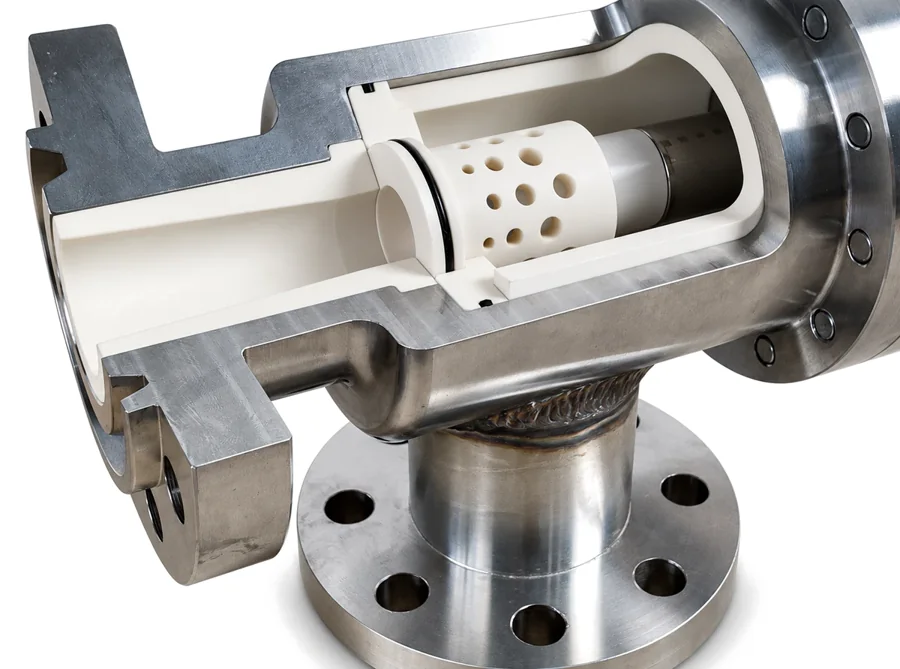
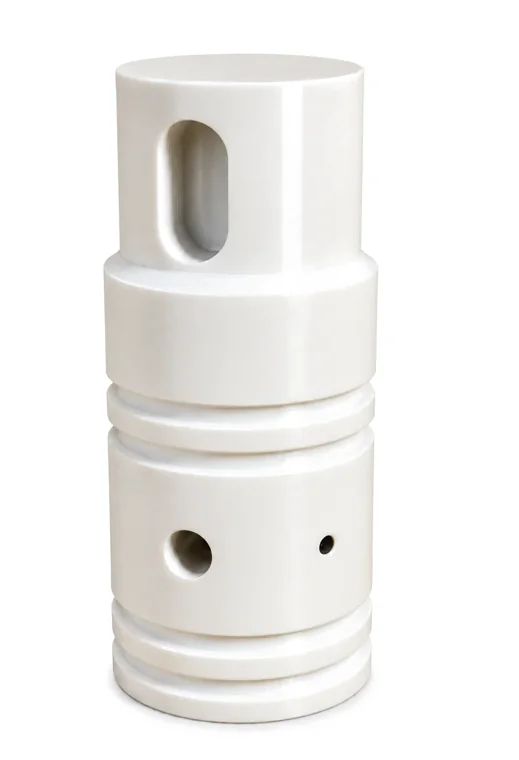
Ceramic trim for valves in abrasive and corrosive service, made to the component drawing and operating duty
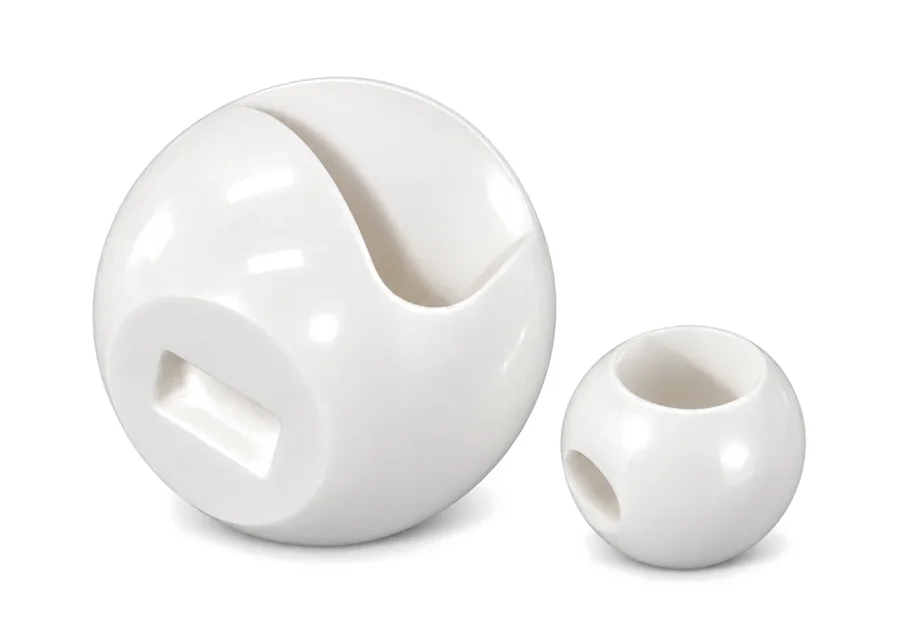
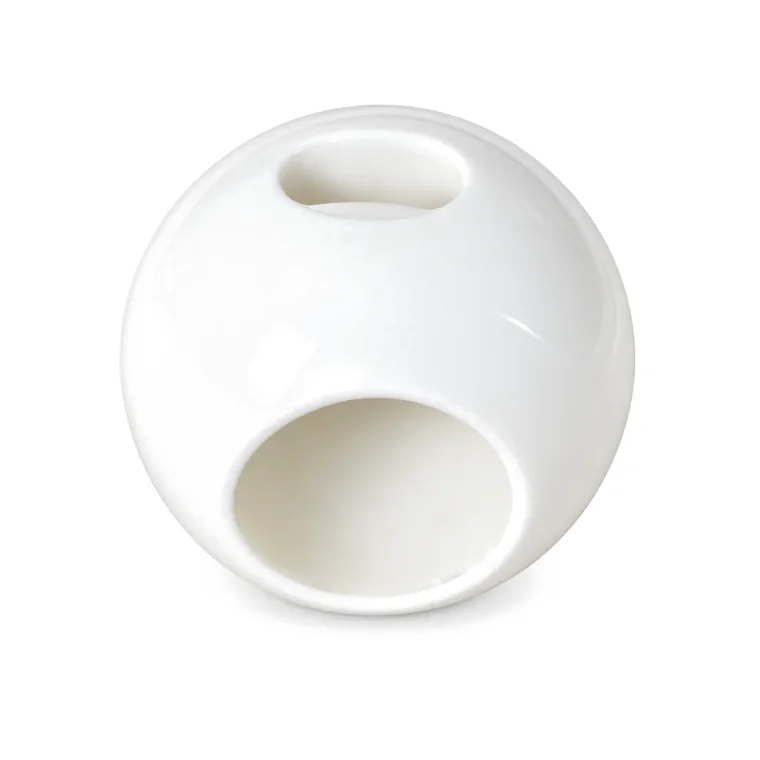
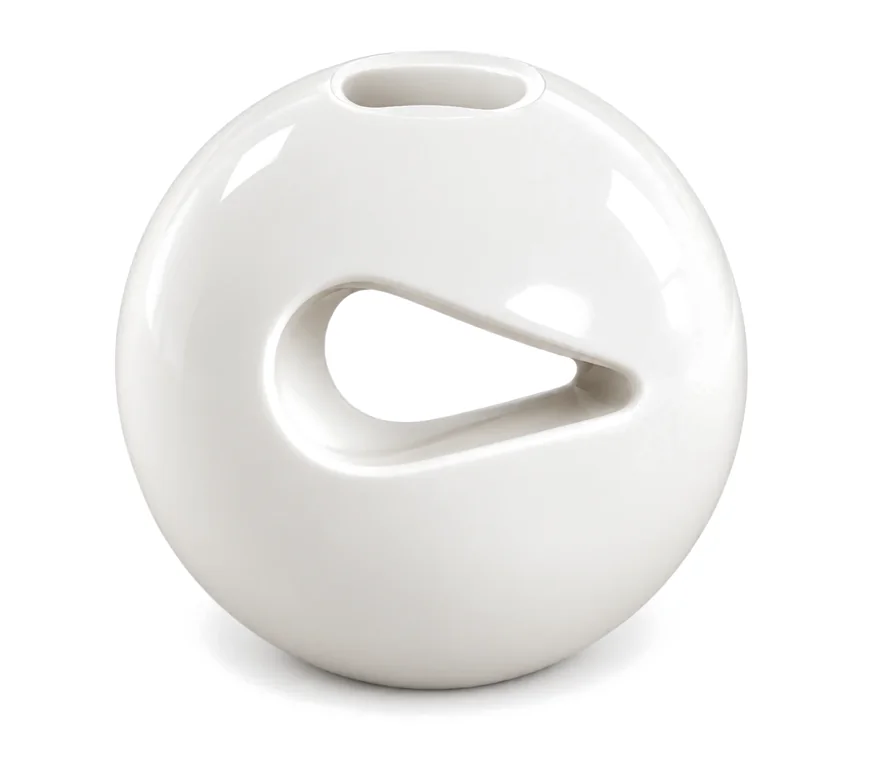
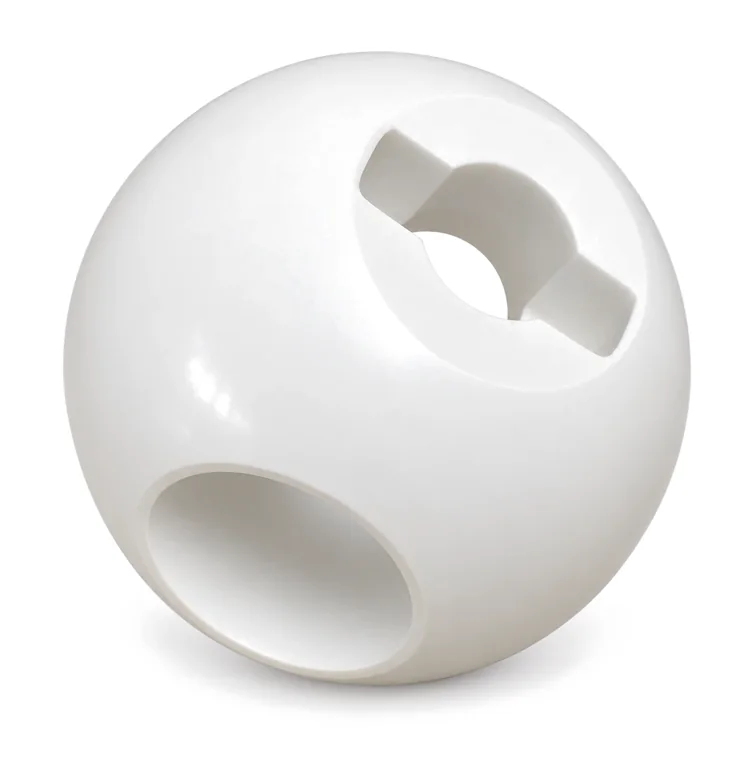
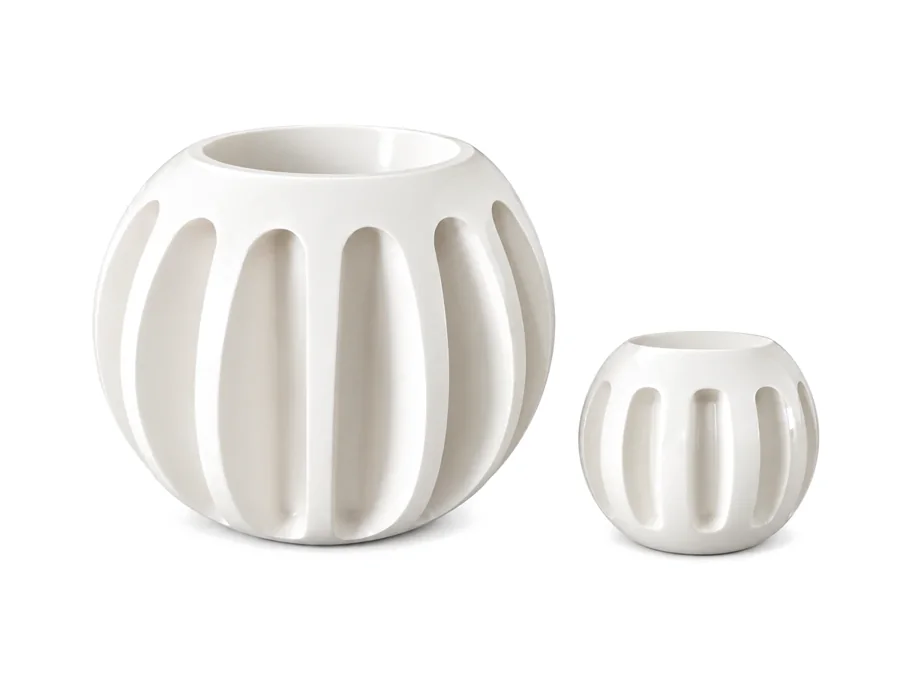
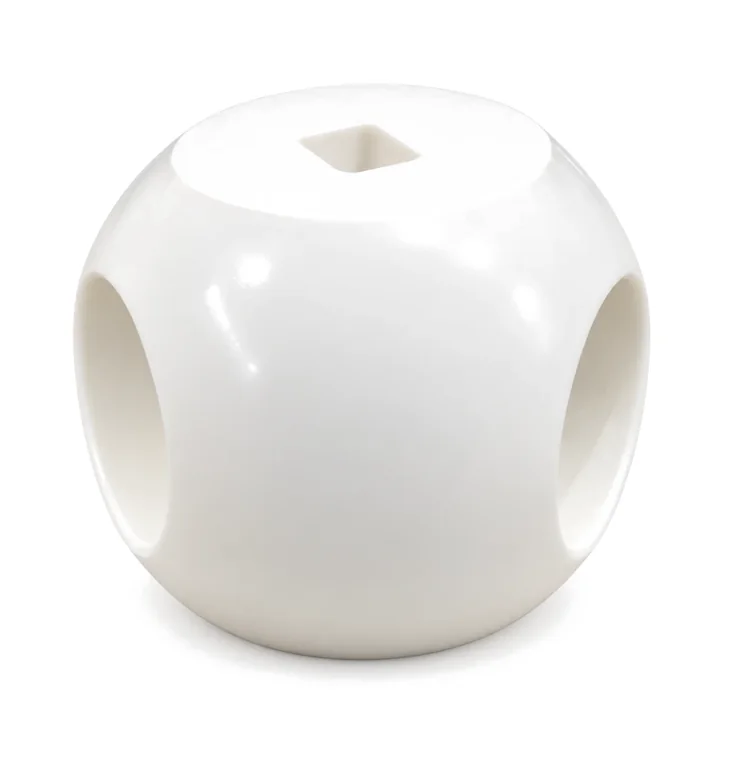
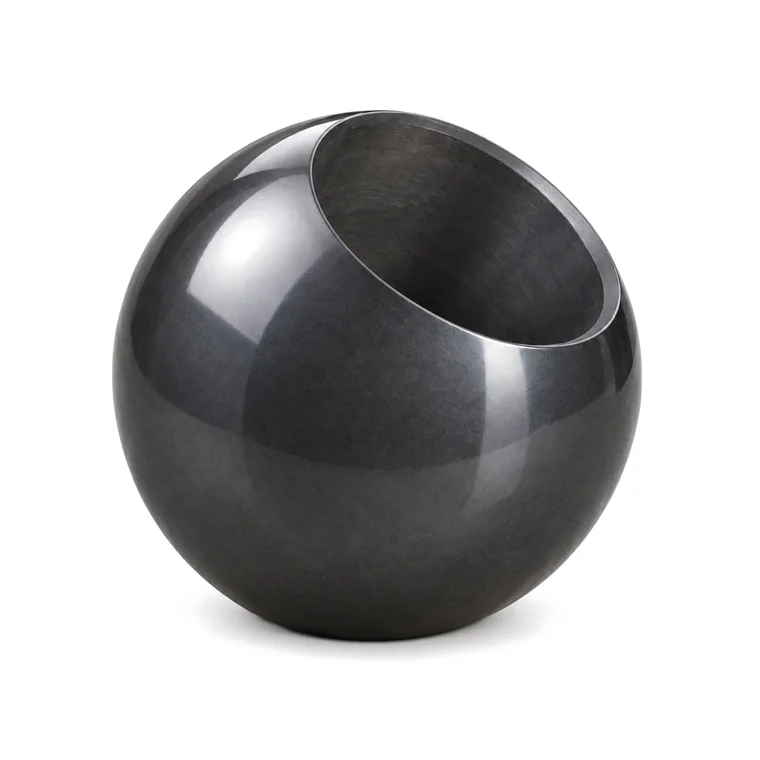
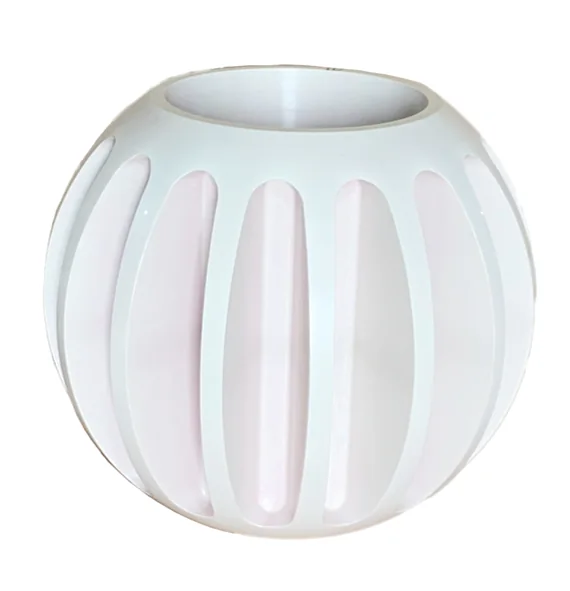
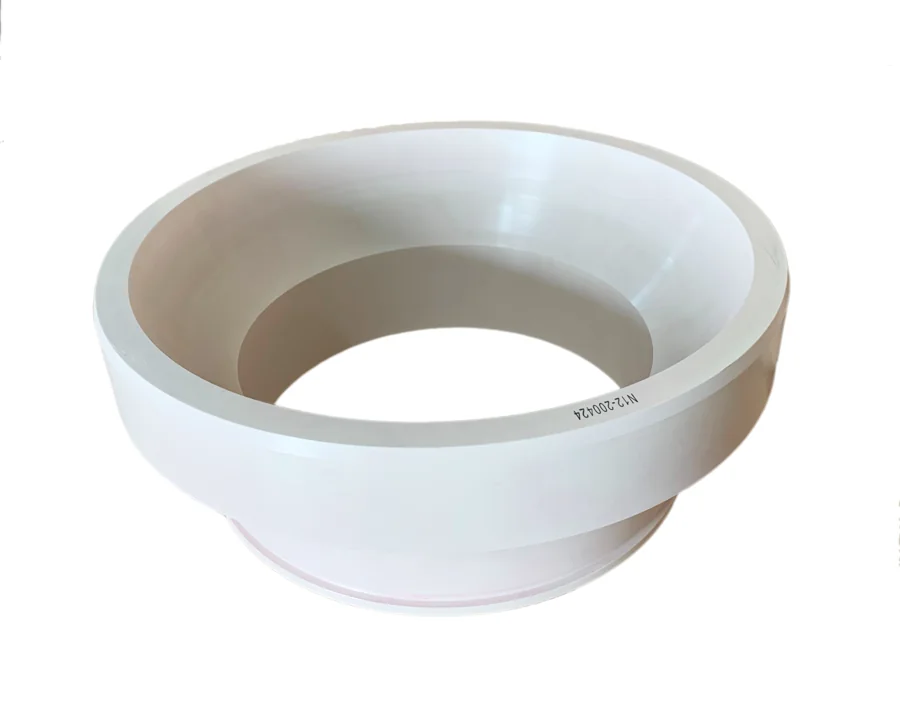
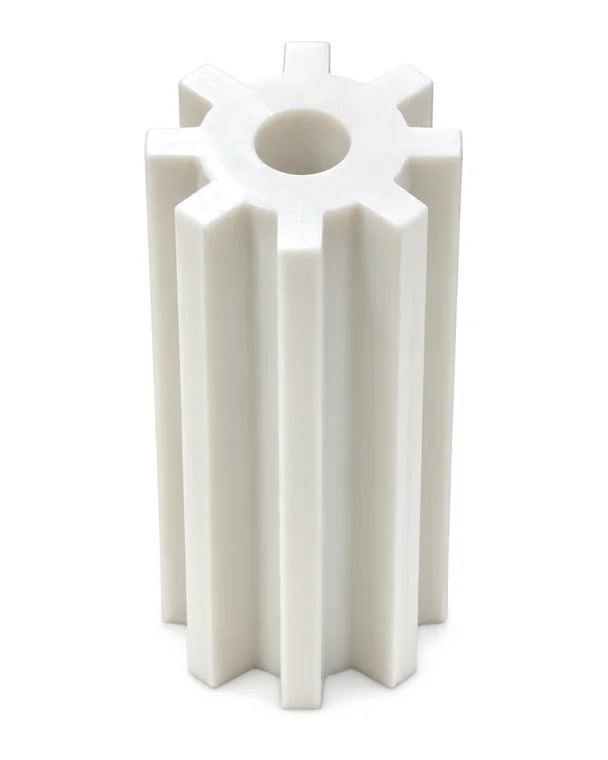
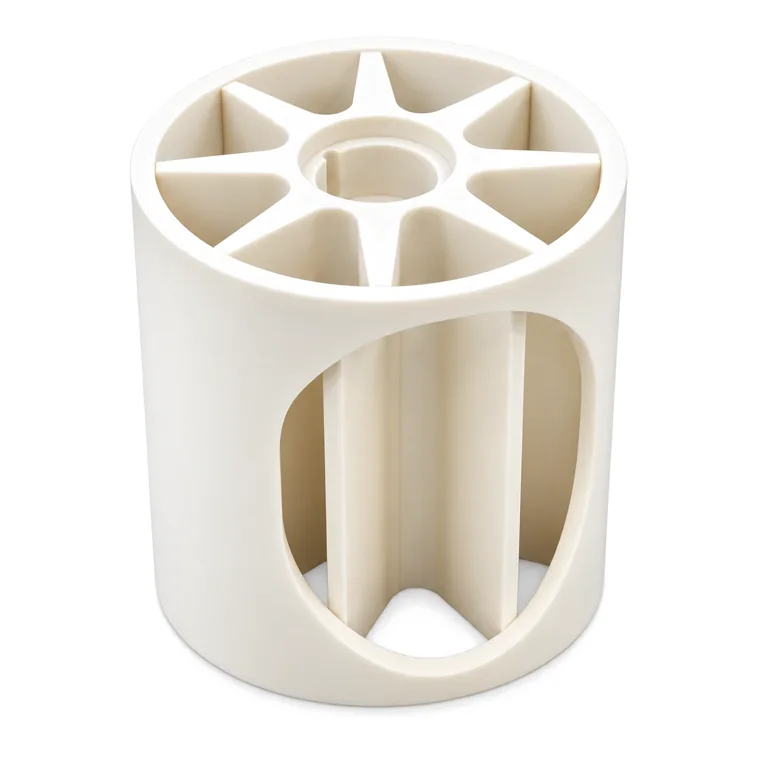
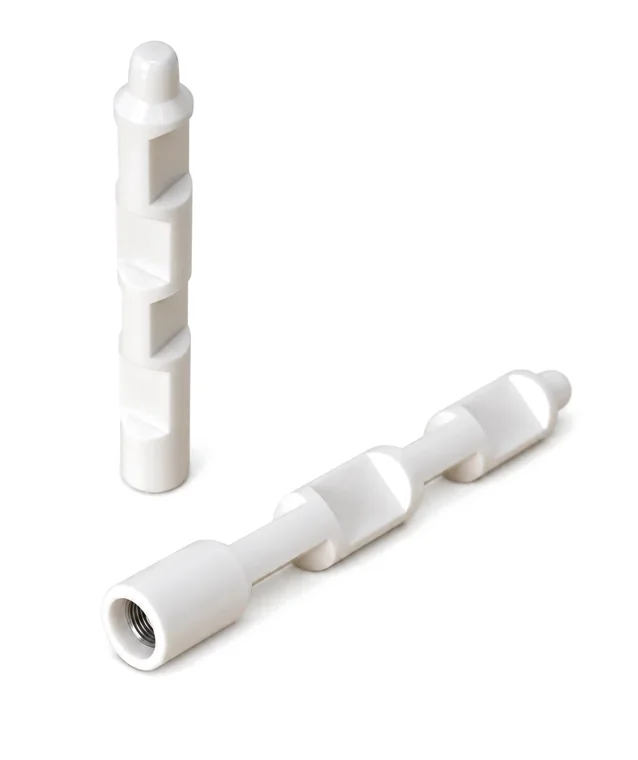
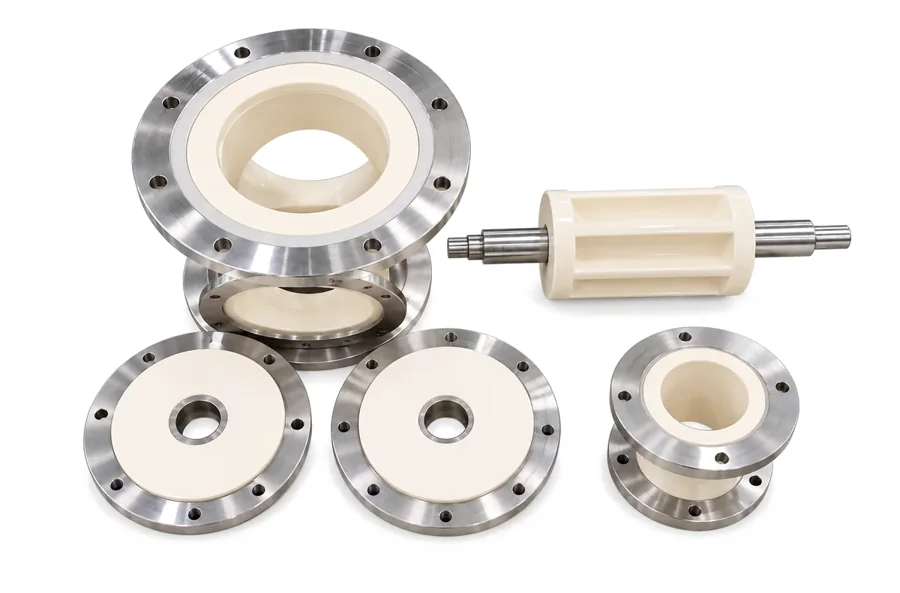
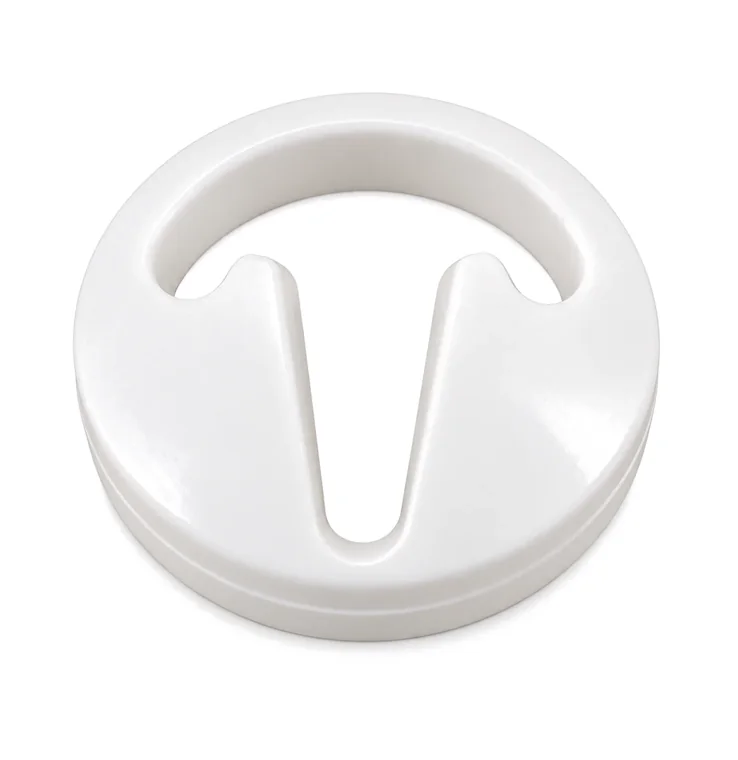
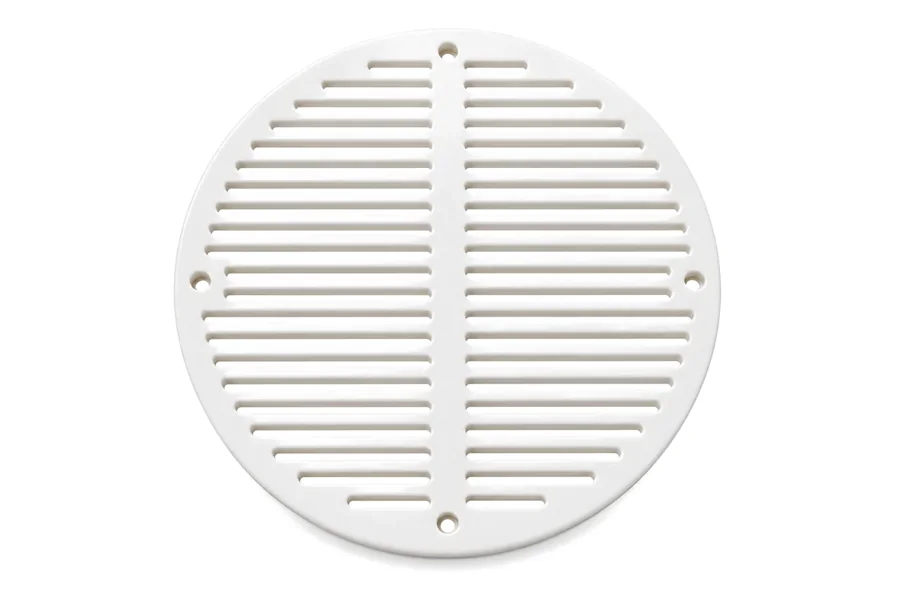
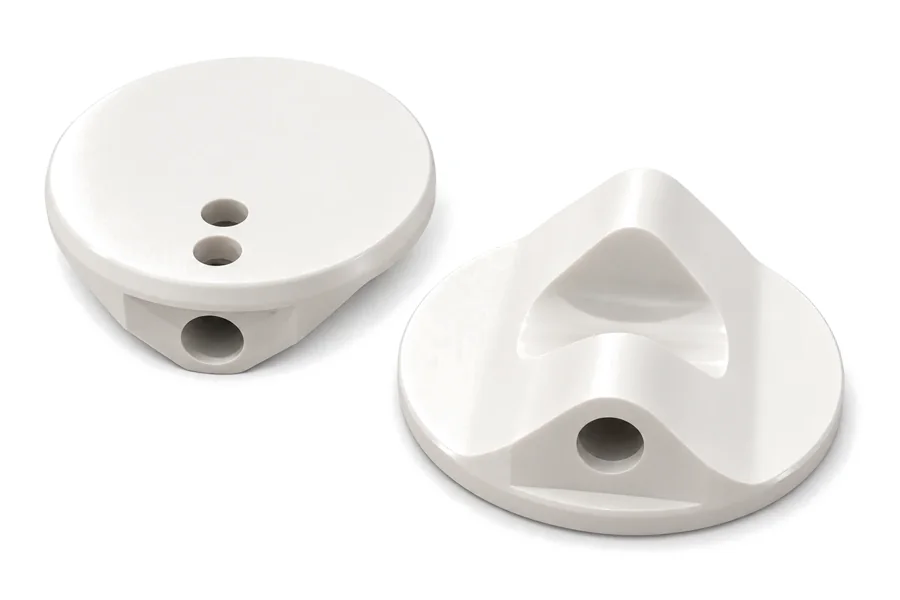
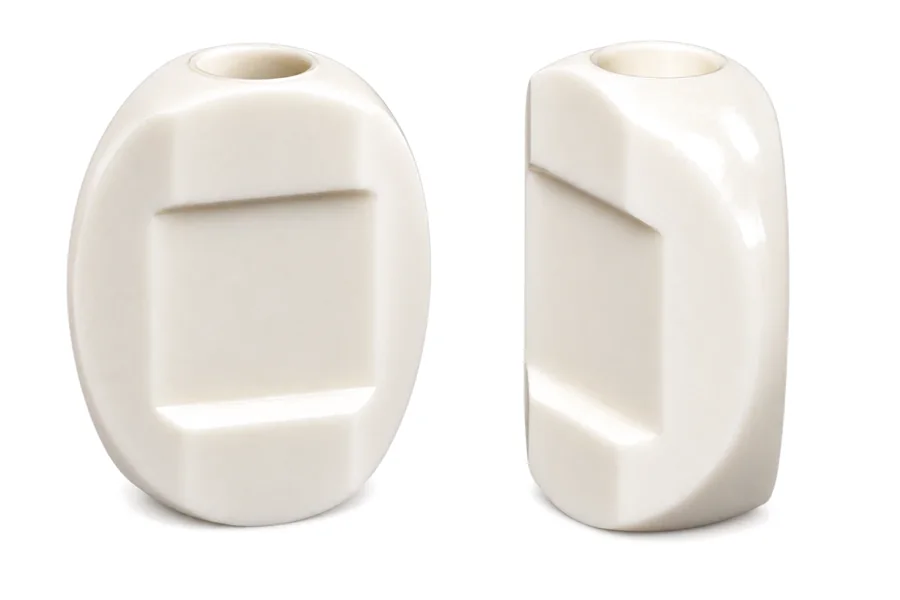
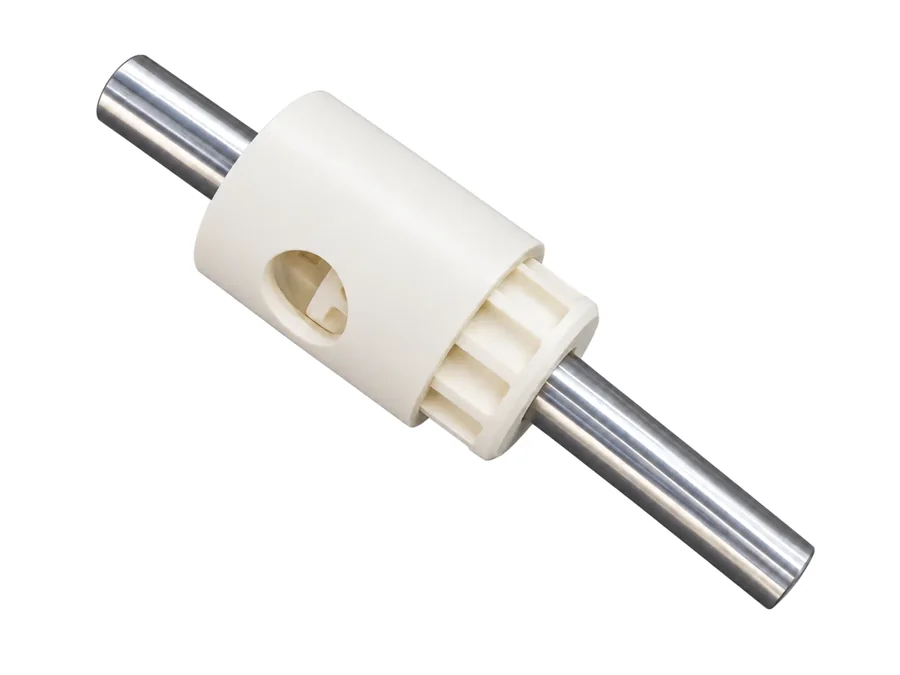
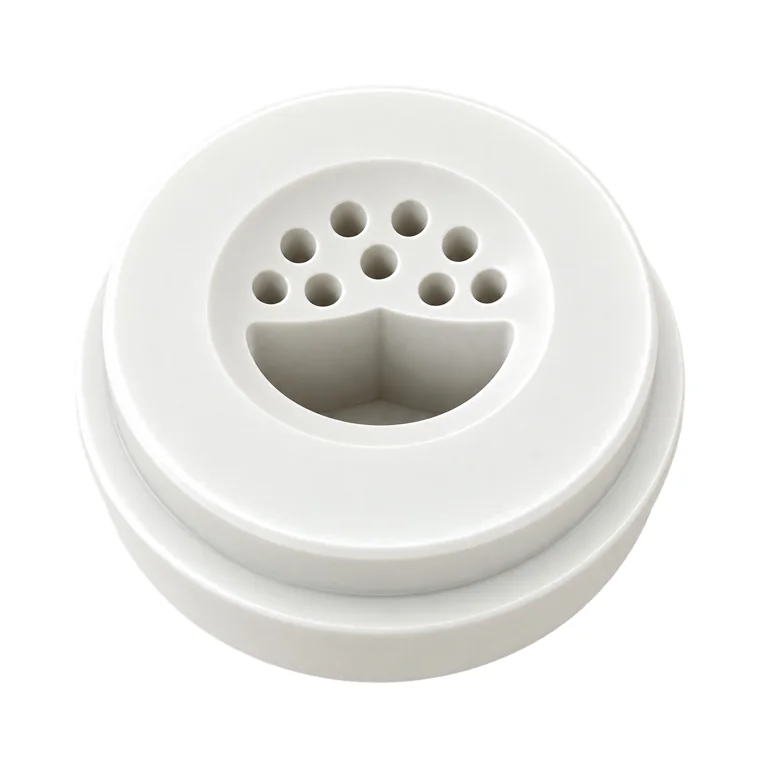
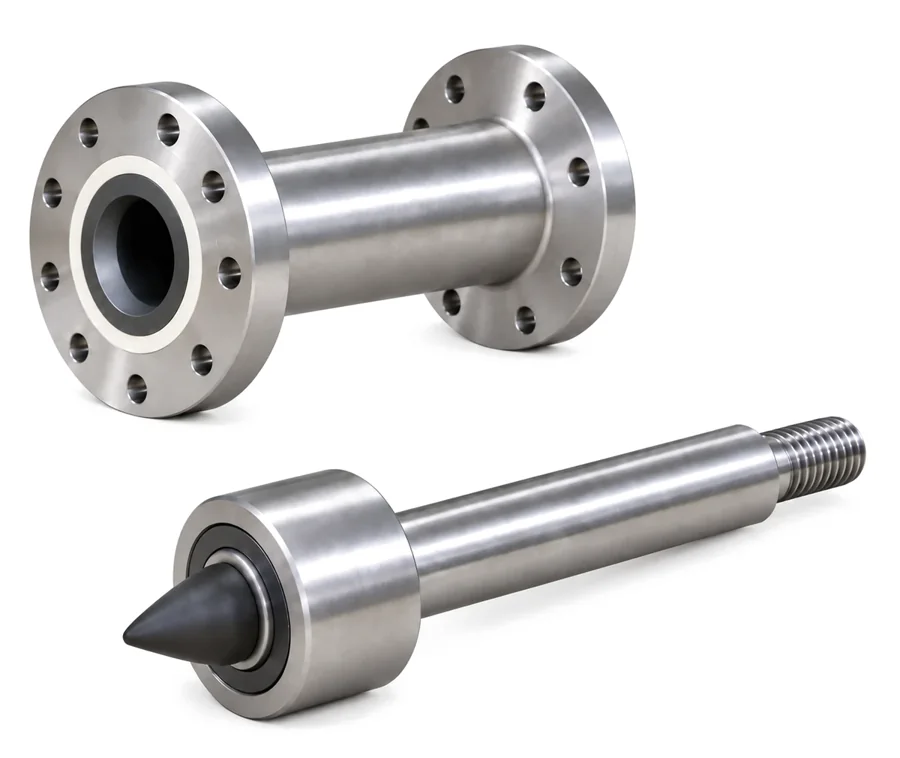
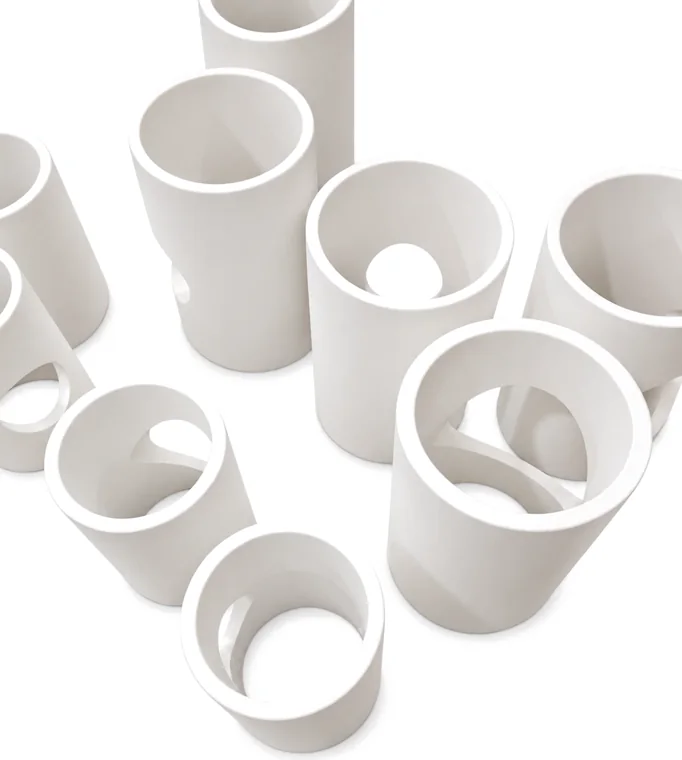
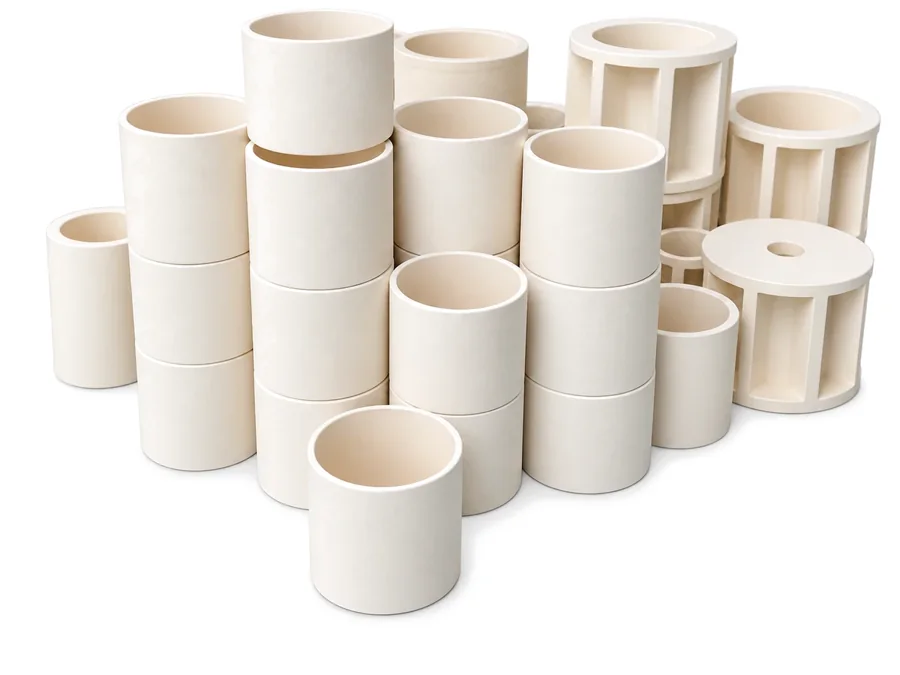
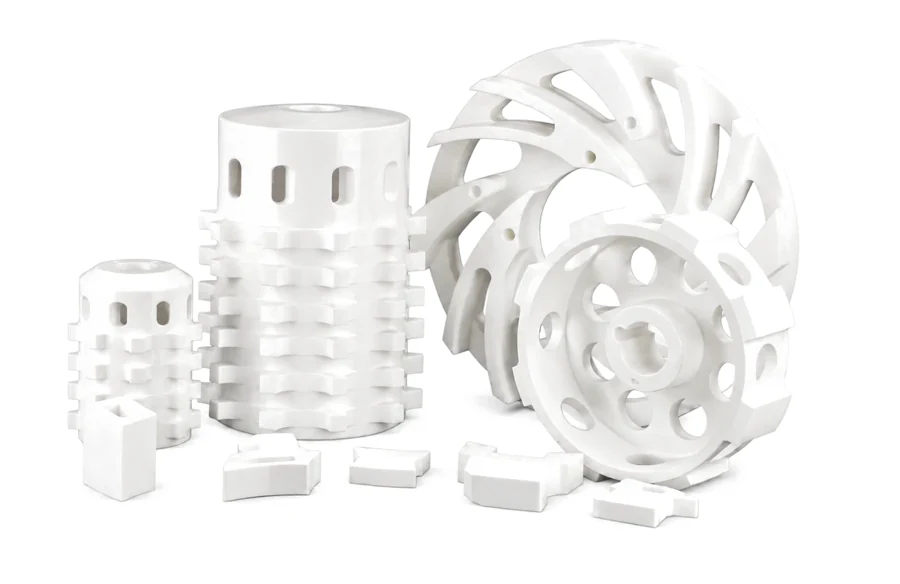
Wear parts for sand mills and horizontal or vertical bead mills
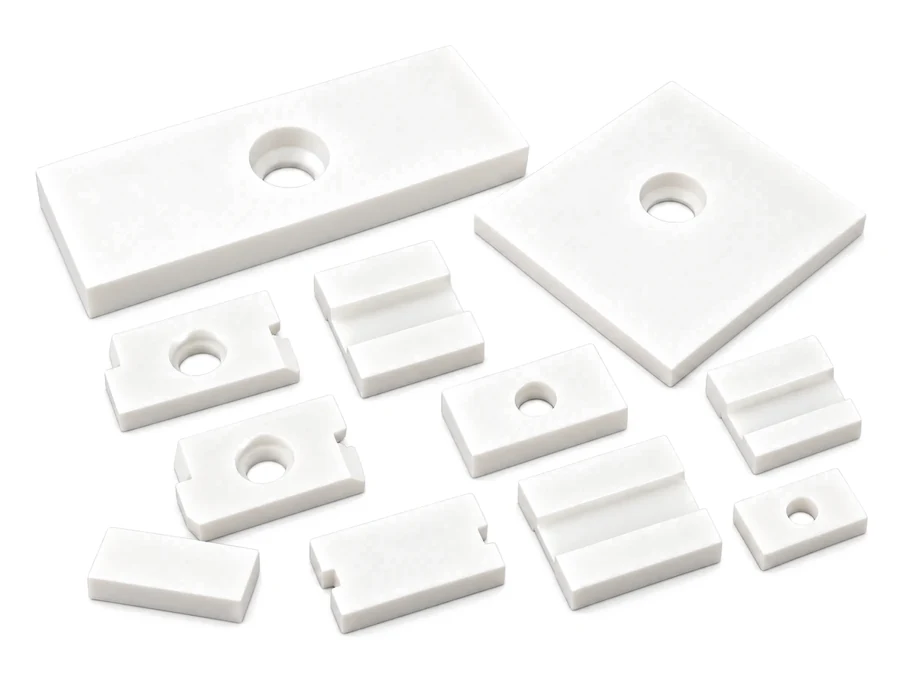
Wear parts for rotary, stirred and ball mills
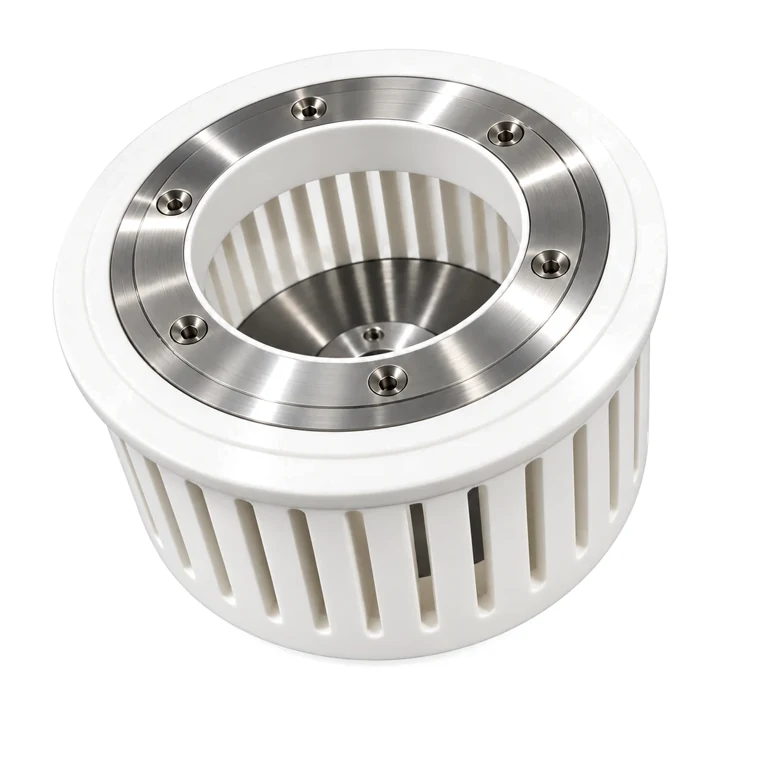
Wear parts for jet mills, from the classifier wheel to the grinding chamber
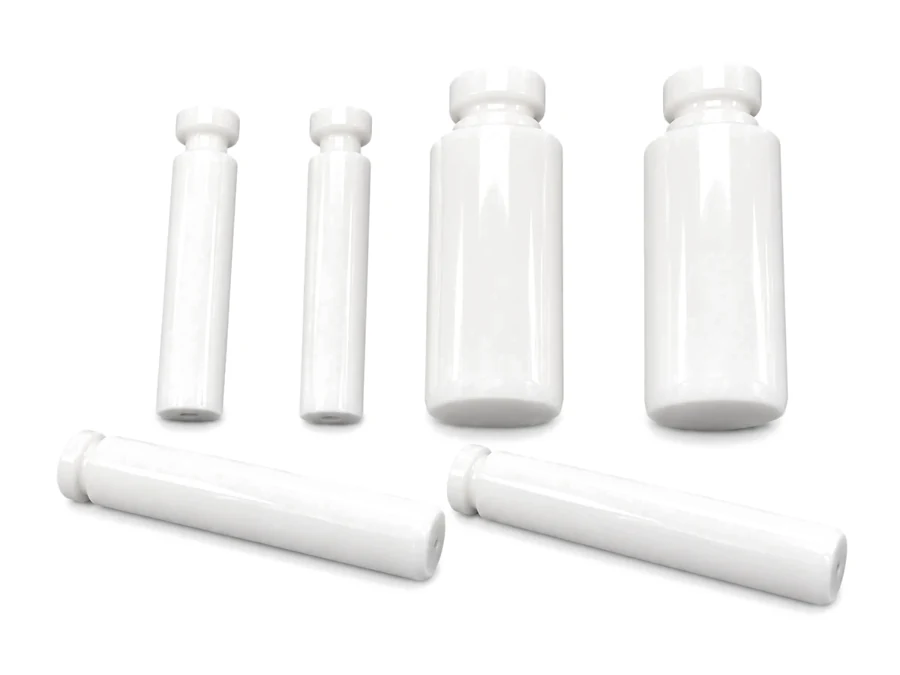
Wear parts for mag-drive, slurry, metering and high-pressure pumps
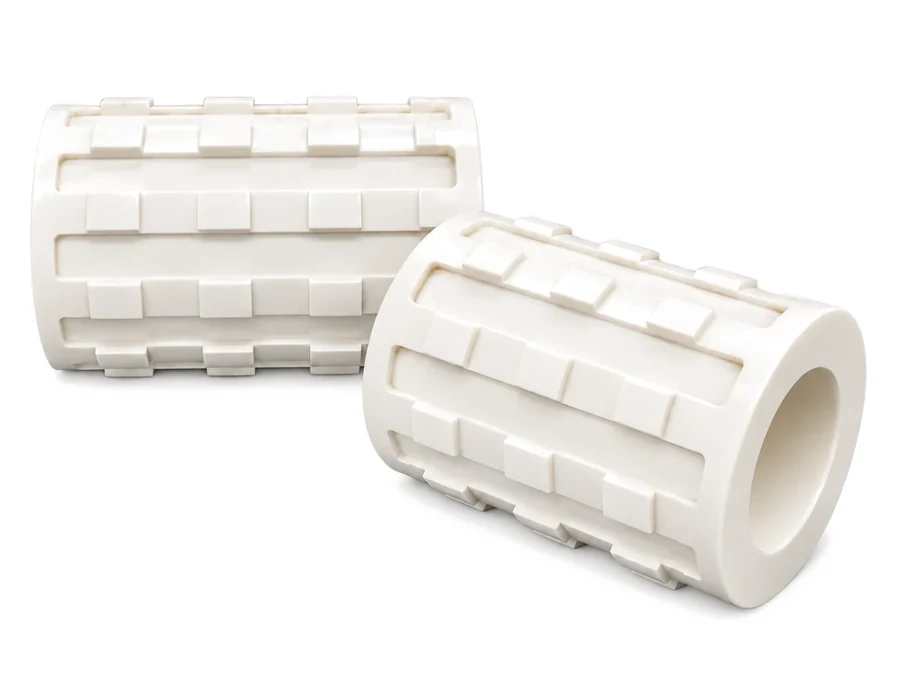
Wear parts for impact, cone, hammer and double-roll crushers
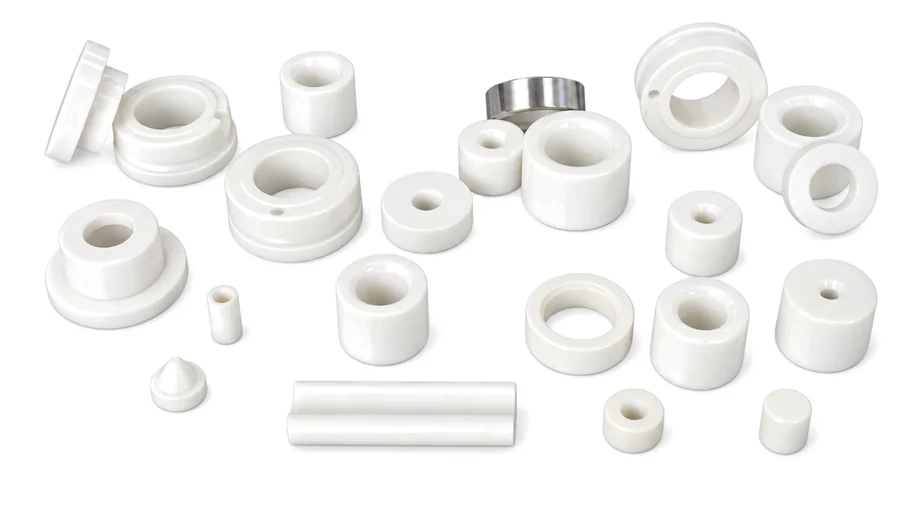
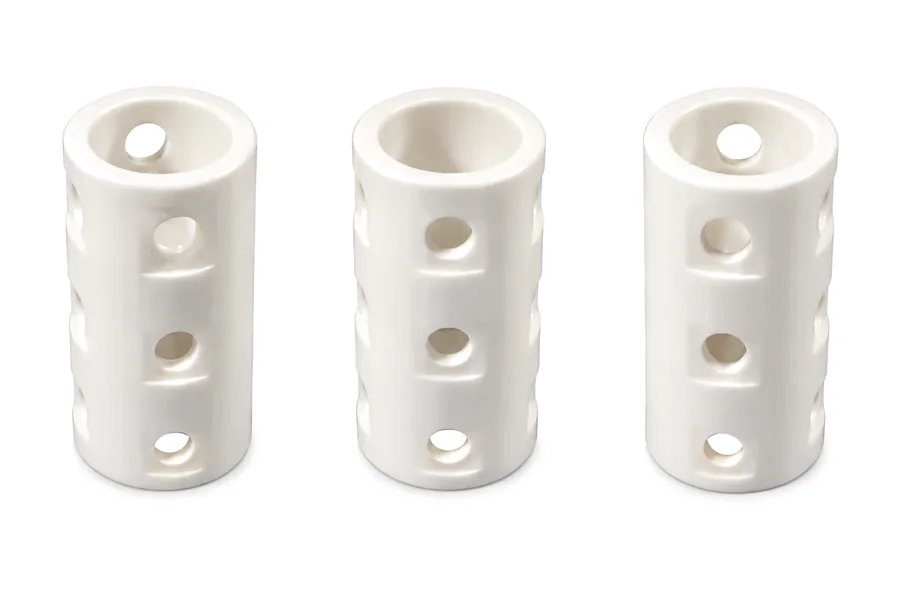
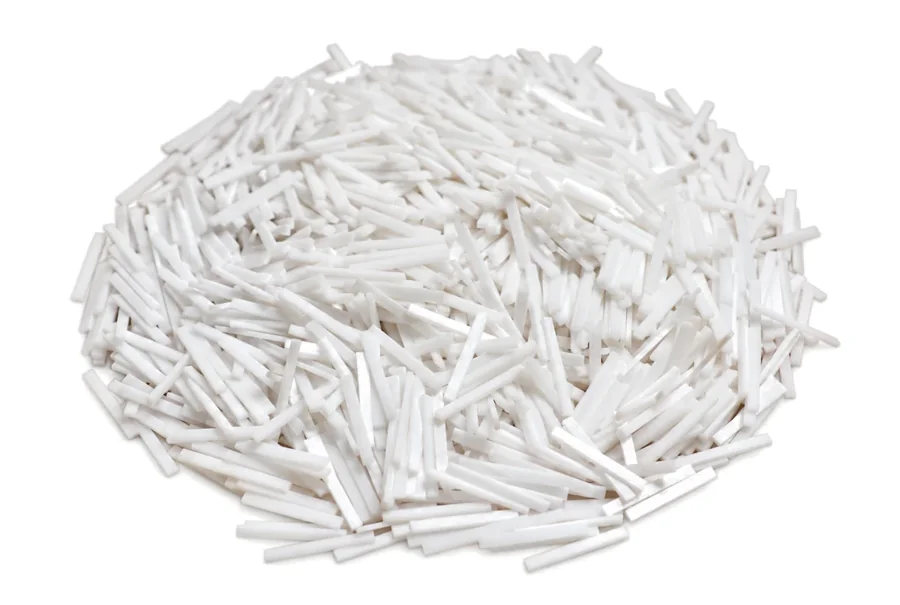
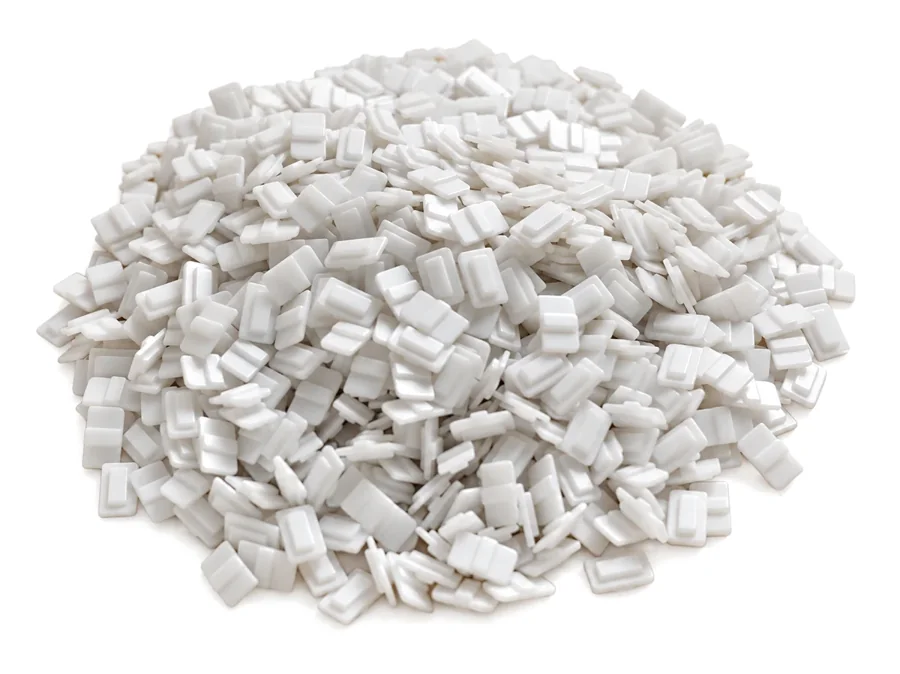
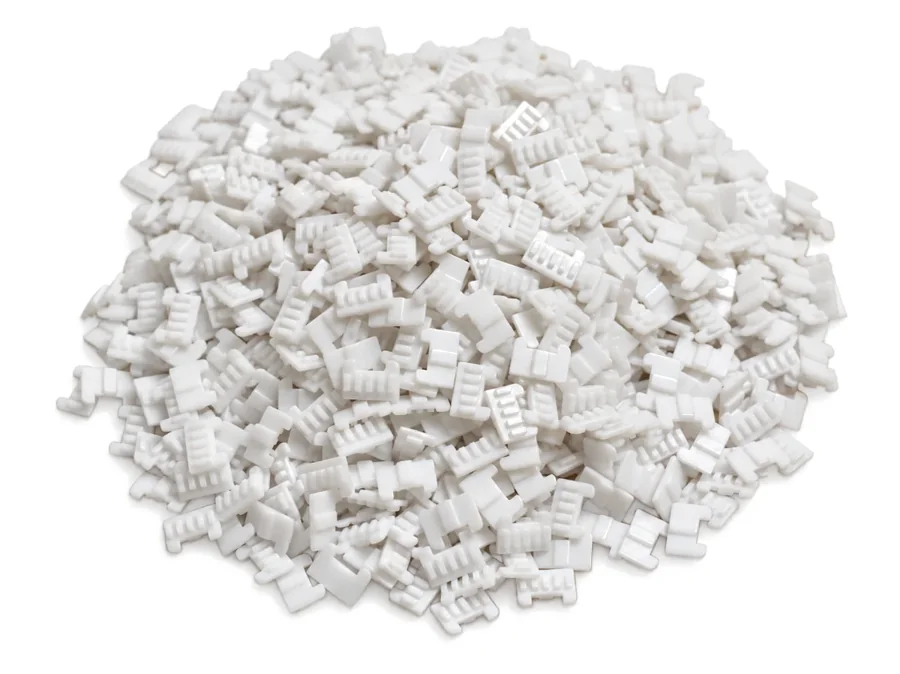
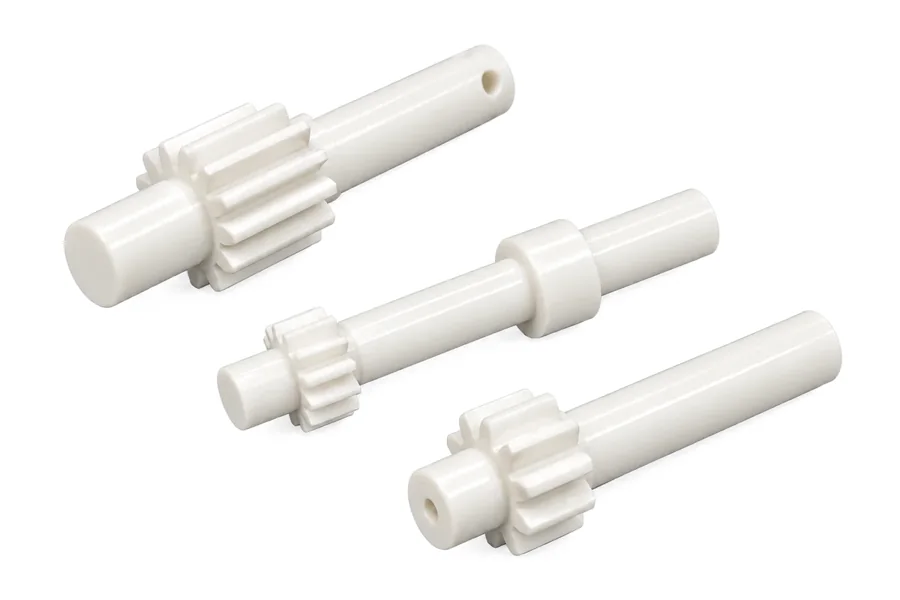
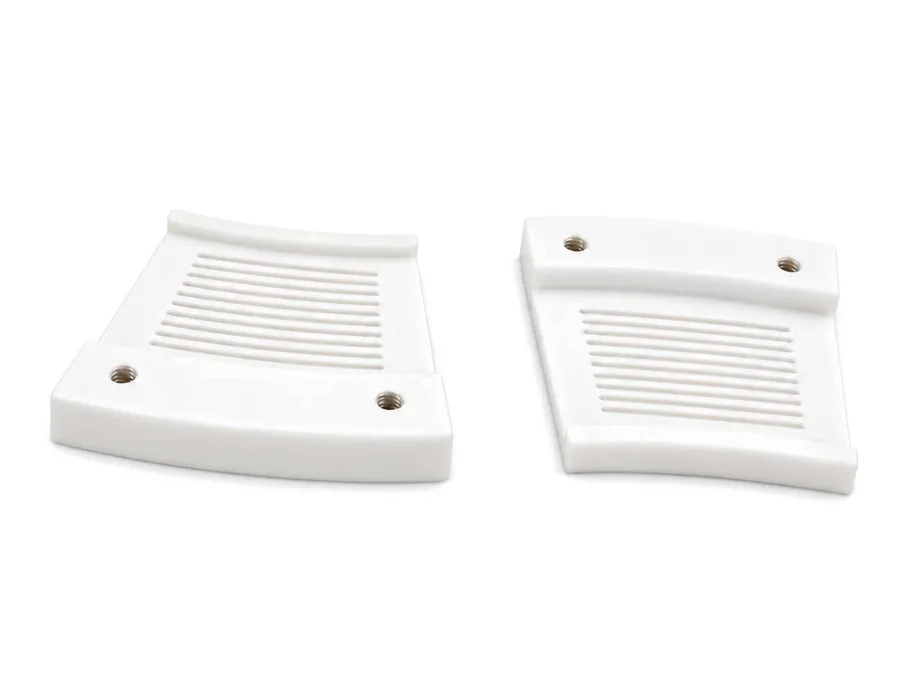
Custom ceramic parts beyond valves, mills, pumps and crushers, made to the component drawing
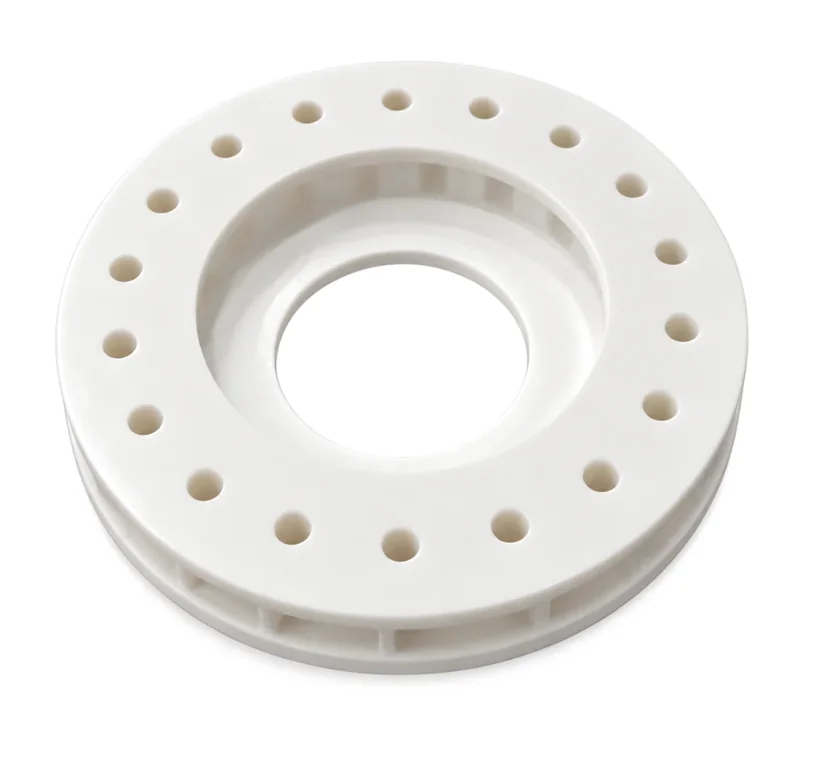
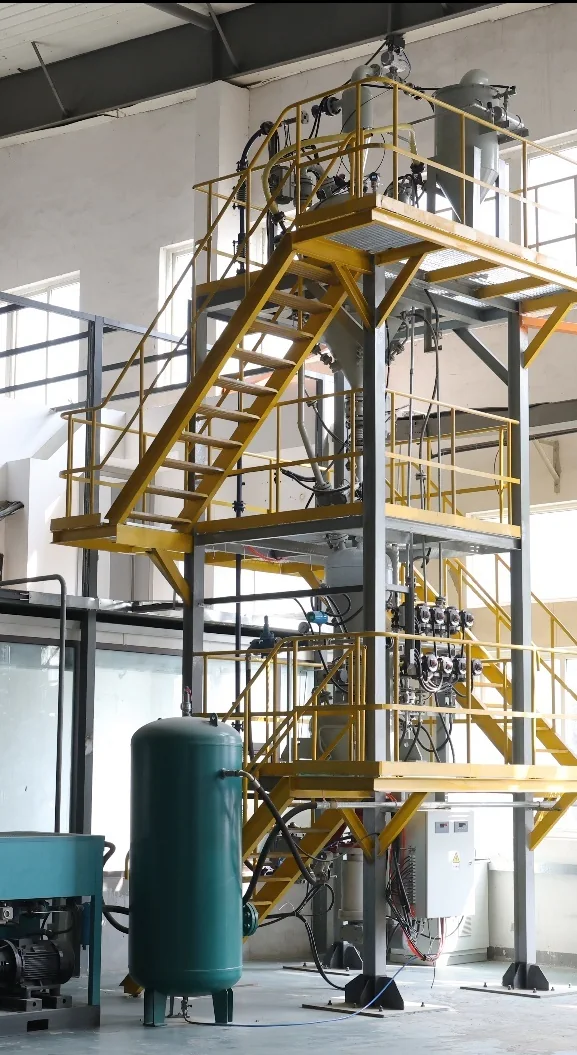
Series-connected tanks with balance pipes and feeders for continuous pneumatic powder feeding, with ceramic wetted parts, PLC control and operating pressures up to 4 MPa


