Ceramic Valves for Steel Pickling Lines
Continuous Pickling Lines · Push-Pull Pickling Lines · Spent Pickling Liquor Treatment
Target Industry: Steel Plants
Operating Conditions
Steel pickling is a chemical surface-treatment process widely used in the steel industry. It removes mill scale, rust, oxides, and other contaminants formed during hot rolling, forging, or heat treatment. The steel is immersed in or sprayed with a dilute acid solution containing corrosion inhibitors
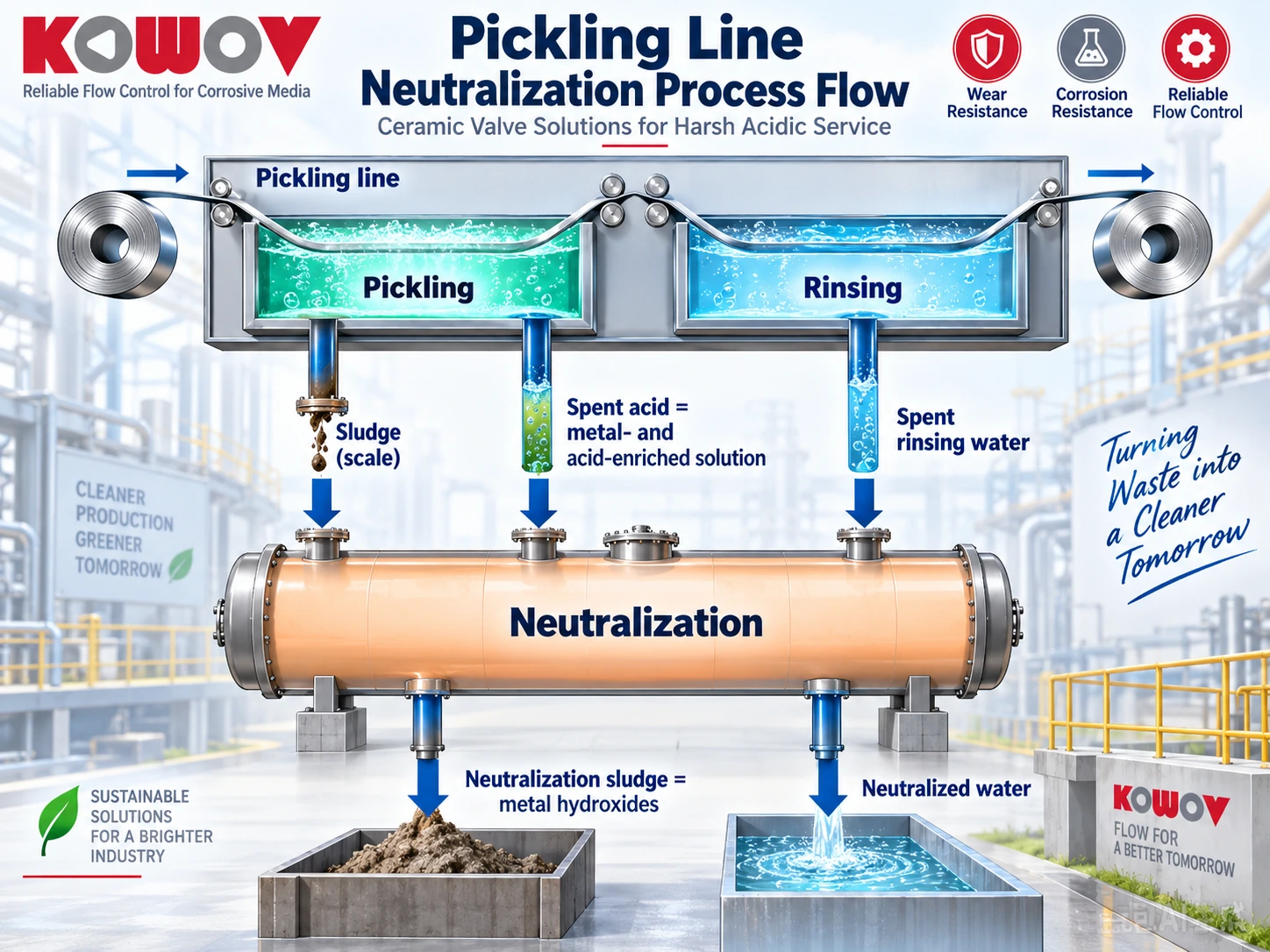
Auxiliary Processes: Acid Regeneration and Wastewater Treatment
- Spent Pickling Liquor → Acid Regeneration Plant → Spray Roasting for HCl Recovery → Recovered Acid Reuse
- Iron Oxide By-product → Collection and Sale
- Wastewater → Neutralization and Sedimentation → Discharge after Meeting Applicable Standards
| Item | Description | Parameter | Value/Characteristics |
|---|---|---|---|
| Medium | Hydrochloric acid (HCl) and sulfuric acid (H₂SO₄) pickling liquor | Phase | Liquid |
| Characteristics | Highly corrosive; abrasive when scale particles are present | - | - |
| Pressure Range (P) | 6-40 bar | Pressure Class | PN10 / PN16 / Class 150 / Class 300 |
| Differential Pressure (ΔP) | ≤10 bar | Nominal Diameter | DN25-DN200 |
| Temperature Range | Up to approximately 105°C | Thermal Condition | No thermal shock |
Medium Details
HCl pickling liquor, ferrous chloride, ferric chloride, sulfuric acid, nitric acid, hydrofluoric acid, hydrogen chloride gas, spent pickling liquor, concentrated pickling liquor, sodium hydroxide, tin-plating solution, chlorine gas, and suspended iron-oxide scale
Representative Chemical Components
HCl, H₂SO₄, HNO₃, HF, FeCl₂, FeCl₃, dissolved iron salts, corrosion inhibitors, and suspended iron-oxide particles
Suspended Solids Content
Process-dependent. It should be specified in wt.% or mg/L according to actual operating data, not as a solids-to-air ratio
Particle Size and Hardness
Applicable only when suspended mill-scale or iron-oxide particles are present. The particle-size distribution and Mohs hardness must be confirmed using actual project data
Key Challenges
Elevated-Temperature Corrosion
Acidic media become increasingly corrosive at elevated operating temperatures, accelerating the deterioration of valve bodies, internal components, and sealing surfaces
Abrasion from Solid Particles
Mill scale and iron-oxide sludge suspended in the acidic liquor cause continuous erosion and abrasive wear of valve internals
Frequent Cycling and Continuous Operation
Valves are subjected to frequent throttling and on/off cycles while operating in continuous counter-current acid circulation
Stringent Sealing Requirements
Acid-mist emissions and the risk of hazardous acid leakage demand reliable shutoff performance and effective fugitive-emission control
Harsh Conditions in Auxiliary Systems
Waste-acid transfer, rinse-water and wastewater handling, and acid-regeneration auxiliary loops face the same severe corrosion and abrasion challenges
Process Pain Points and Improvement Opportunities
Conventional Valve Types and Materials
Butterfly valves are the predominant valve type used in steel-pickling circuits
- Initial solution: Triple-offset metal-seated butterfly valves
- Modified solution: Soft-seated butterfly valves, introduced to address the short service life of metal-seated designs
- Control service: ARCA control valves are used for throttling and flow regulation
Problems with Conventional Valves
Butterfly valves are widely used in both hot-rolled and cold-rolled strip pickling lines. Triple-offset metal-seated butterfly valves were initially installed but proved unreliable. Soft-seated butterfly valves were subsequently introduced; however, their sealing elements are frequently damaged by mill scale and iron-oxide particles, resulting in internal leakage
Replacement Intervals and Service Life
- Domestic butterfly valves: Approximately 7 days to several weeks
- Imported butterfly valves, GEMÜ, EBRO, and Bray: Typically several months; maximum recorded service life approximately 8 months, with none exceeding one year
- Imported ARCA control valves: High acquisition cost but still limited service life, with no significant improvement over imported isolation butterfly valves
Losses Caused by Maintenance Shutdowns
Conventional metal valves suffer rapid chemical attack, pitting corrosion, and erosive wear, resulting in short service life, frequent maintenance, and unplanned pickling-line shutdowns
Industry Pain Points and Improvement Opportunities
Steel pickling commonly uses hydrochloric acid (HCl) or sulfuric acid (H₂SO₄). Stainless-steel pickling generally uses a mixed nitric and hydrofluoric acid solution (HNO₃ + HF)
The process medium is highly corrosive and contains dissolved iron salts together with suspended mill scale and iron-oxide sludge, exposing valves to simultaneous corrosion, erosion, solids buildup, and sealing damage
Application Scope: Steel Pickling Valves · Hot-Rolled Strip Pickling Lines · Cold-Rolled Strip Pickling Lines · Pickling-Acid Circulation · Spent Pickling Liquor Handling
Why Choose Ceramic Valves?
Excellent Corrosion Resistance
Structural ceramics resist dilute hydrochloric acid (HCl), sulfuric acid (H₂SO₄), and mixed pickling acids, greatly reducing pitting corrosion and media penetration
Superior Abrasion and Erosion Resistance
High-hardness ceramic sealing surfaces withstand erosion and abrasion caused by suspended mill scale and iron-oxide sludge, significantly extending service life compared with stainless-steel and alloy valves
Reliable Sealing Performance
The ceramic-to-ceramic sealing structure maintains tight shutoff after prolonged exposure to abrasive particles, reducing acid leakage and acid-mist emissions
Lower Total Cost of Ownership
Longer service life reduces spare-parts consumption, maintenance frequency, and production shutdowns. Ceramic valves are suitable for pickling-acid circulation, spent pickling liquor transfer, and rinse-water service
Conclusion
Pickling media combine hot, dilute mineral acids with abrasive mill scale and iron-oxide sludge, exposing valves to simultaneous corrosion and erosion. Conventional metal valves deteriorate rapidly under these conditions. Ceramic ball valves combine excellent acid resistance with high-hardness ceramic sealing components, providing reliable shutoff and extended service life in pickling-acid circulation, spent pickling liquor transfer, and rinse-water systems
Application Reference
- Jiangsu Shagang Group Co., Ltd., China, since 2009
- Baosteel Group Corporation Limited, China, since 2011
- Formosa Ha Tinh Steel Corporation, Vietnam, since 2014
- JSW STEEL LTD., India, since 2019
- İskenderun Demir ve Çelik A.Ş, Turkey, since 2022
- TATA STEEL LIMITED, India, since 2023
On-site operation data shows domestic valves perform inadequately, with the shortest service life only 7 days. Top imported shut-off brands including GEMÜ, Ebro and Fleissig last a maximum of 8 months, none over one year. ARCA imported control valves carry a premium price tag without a significant lifespan improvement
Results
Actual service life
- On-off valves 10 years
- Control valves 5 years
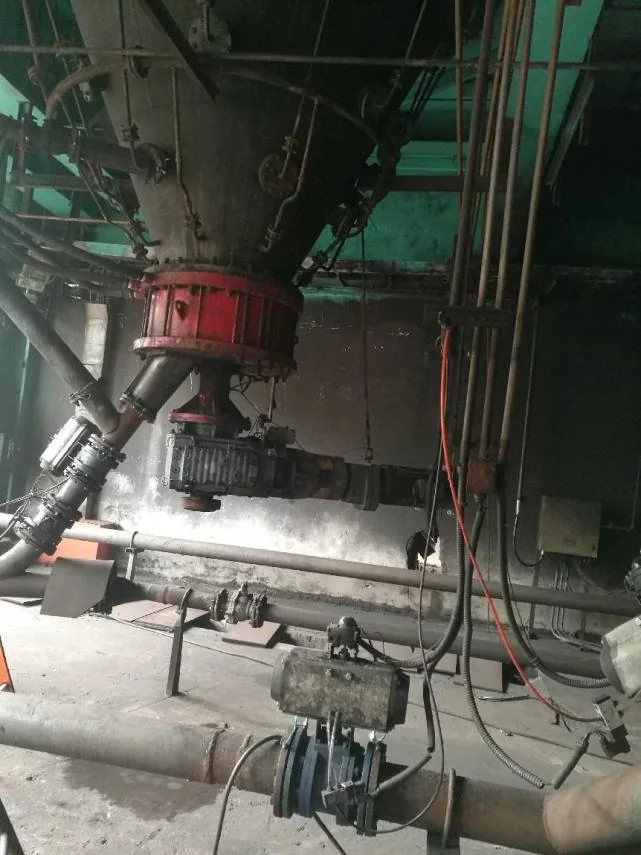
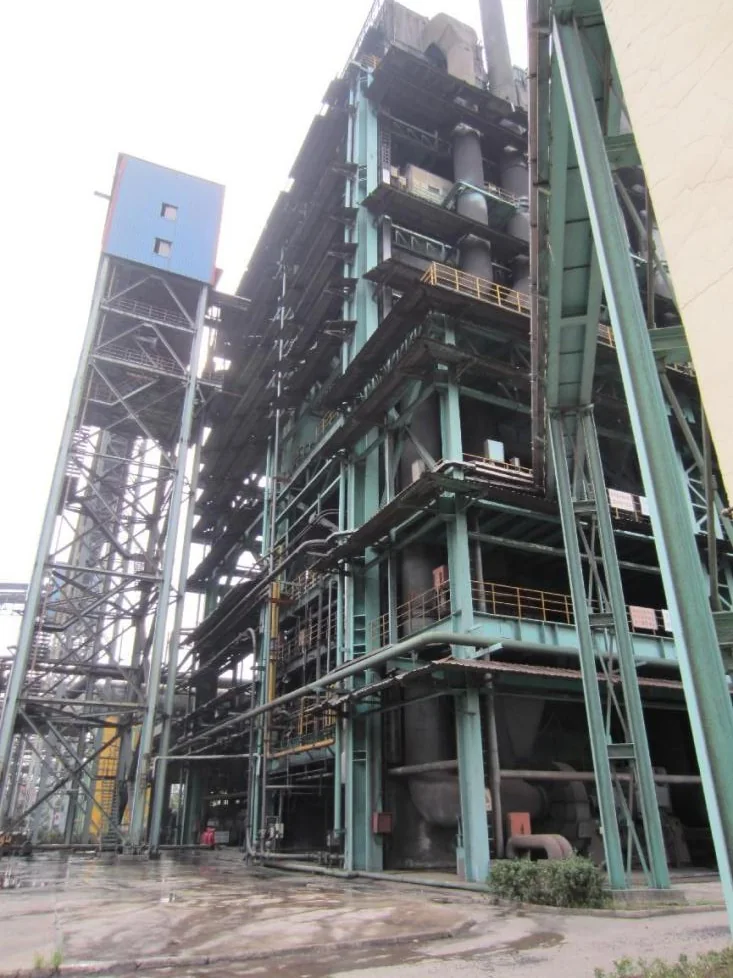
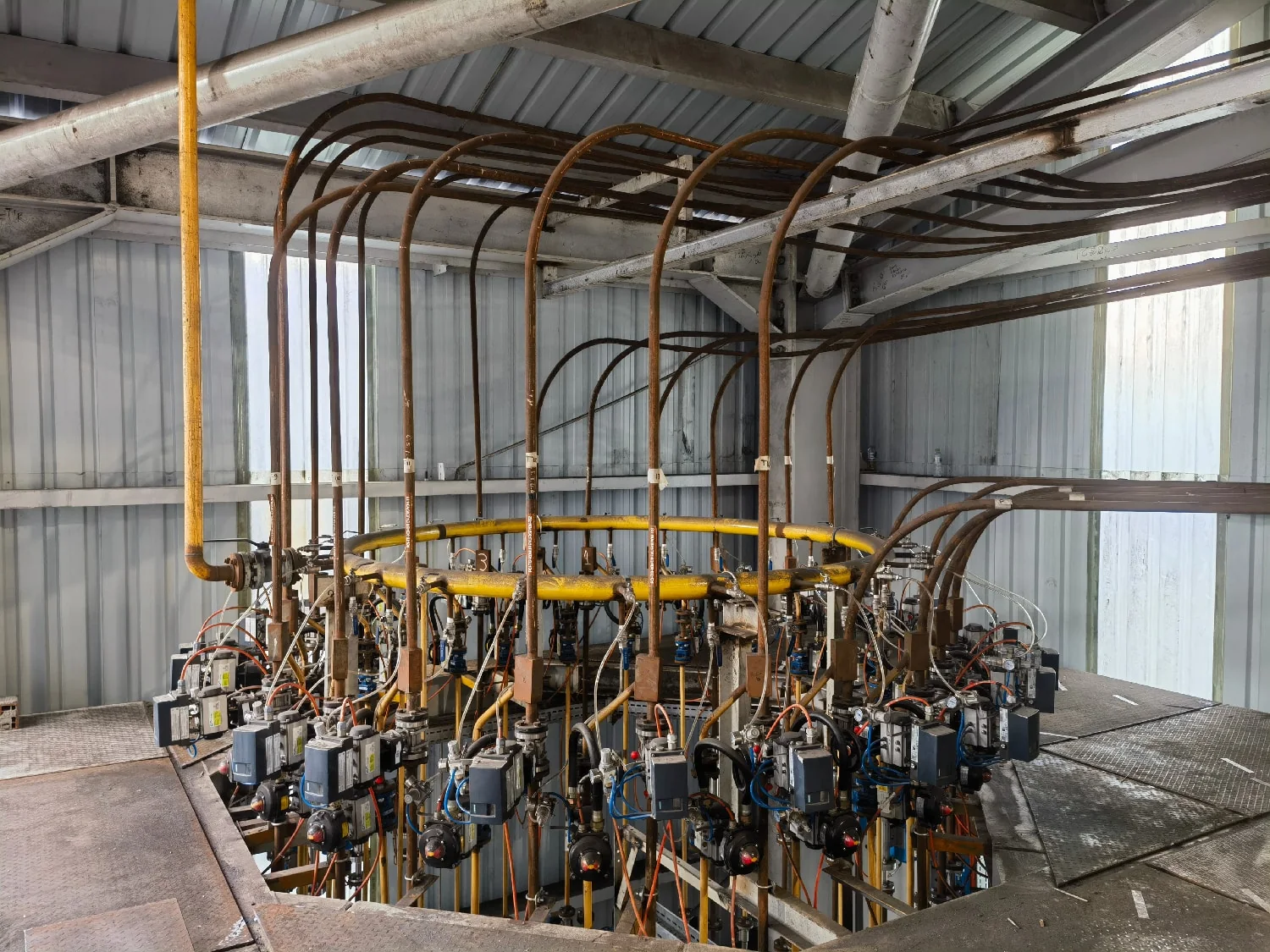
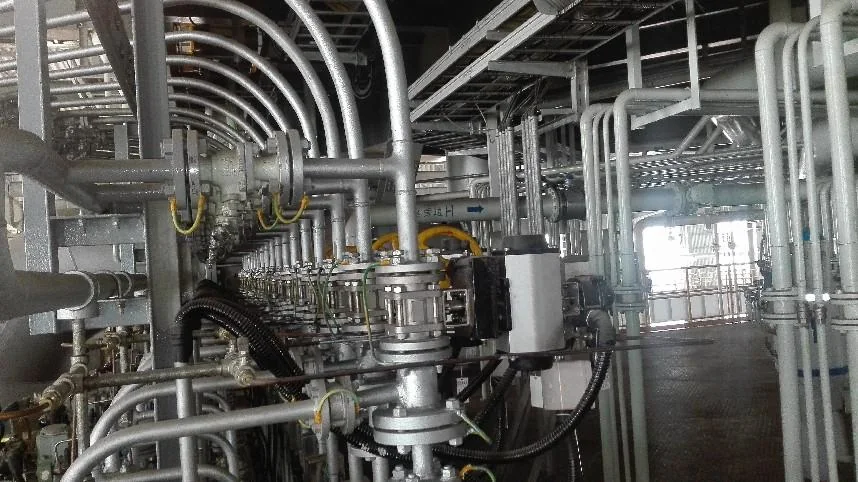
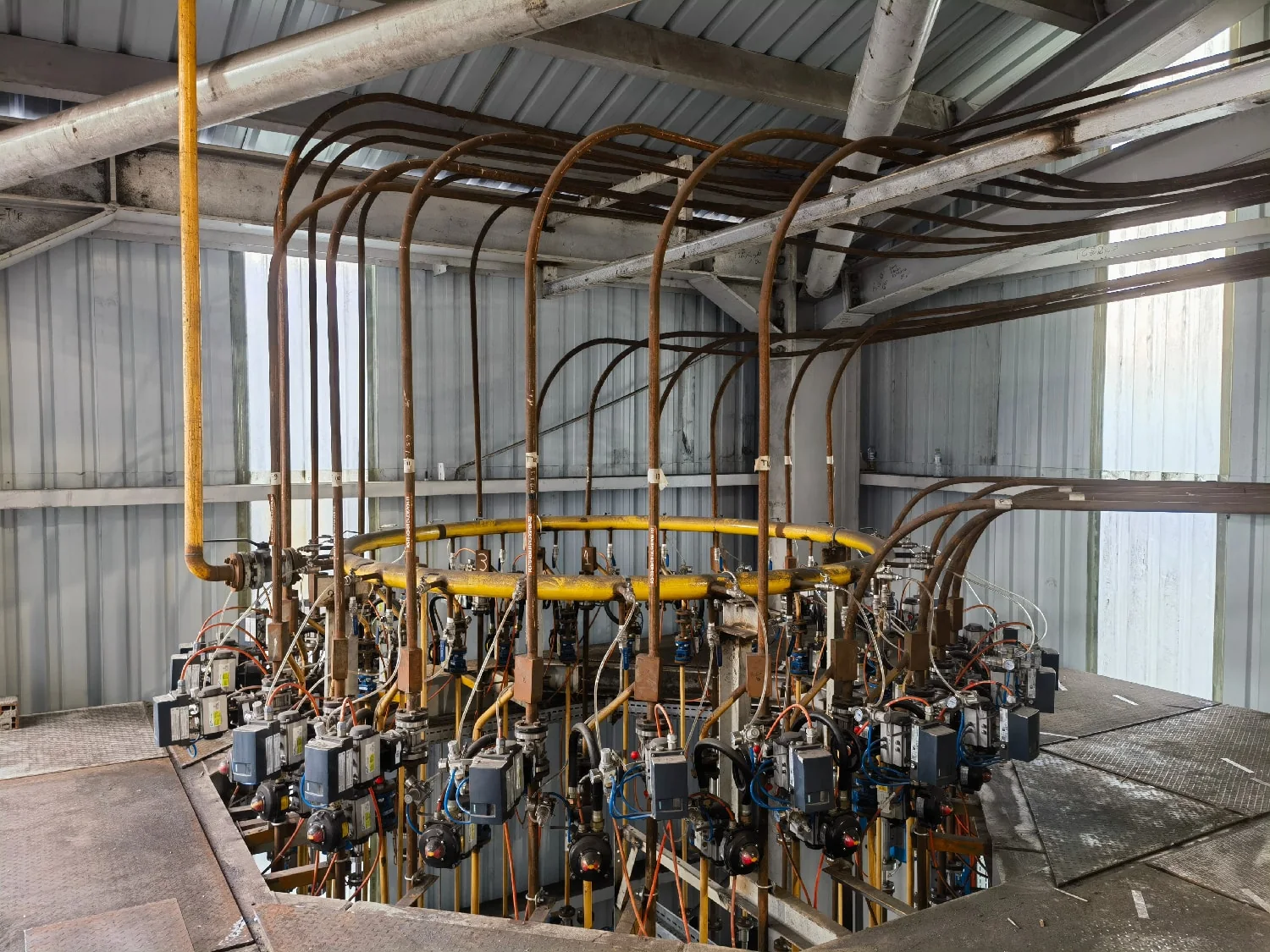
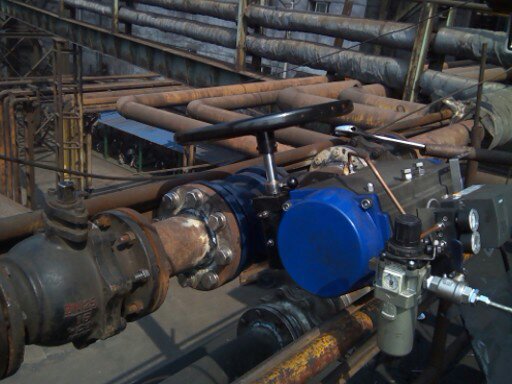
Steel plant site photographs from the case study
Commonly Used Products
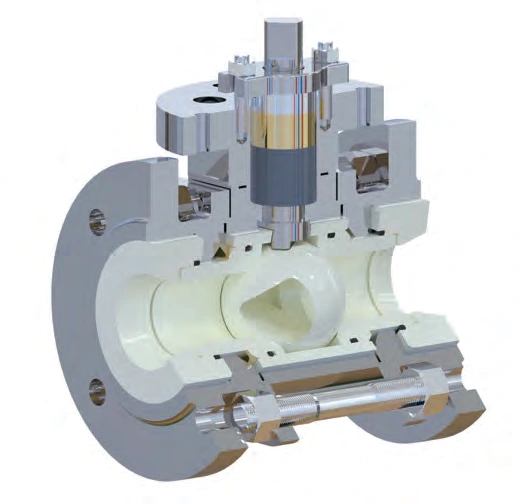
FCCV1
Standard Ceramic Ball Valve
A bidirectional ceramic ball-valve architecture for on-off duties where abrasion, corrosion or deposits affect the sealing path
View FCCV1Contact Us
Talk to our team about your steel pickling application
Discuss your application