Ceramic Valves for Blast Furnace Pulverized Coal Injection (PCI)
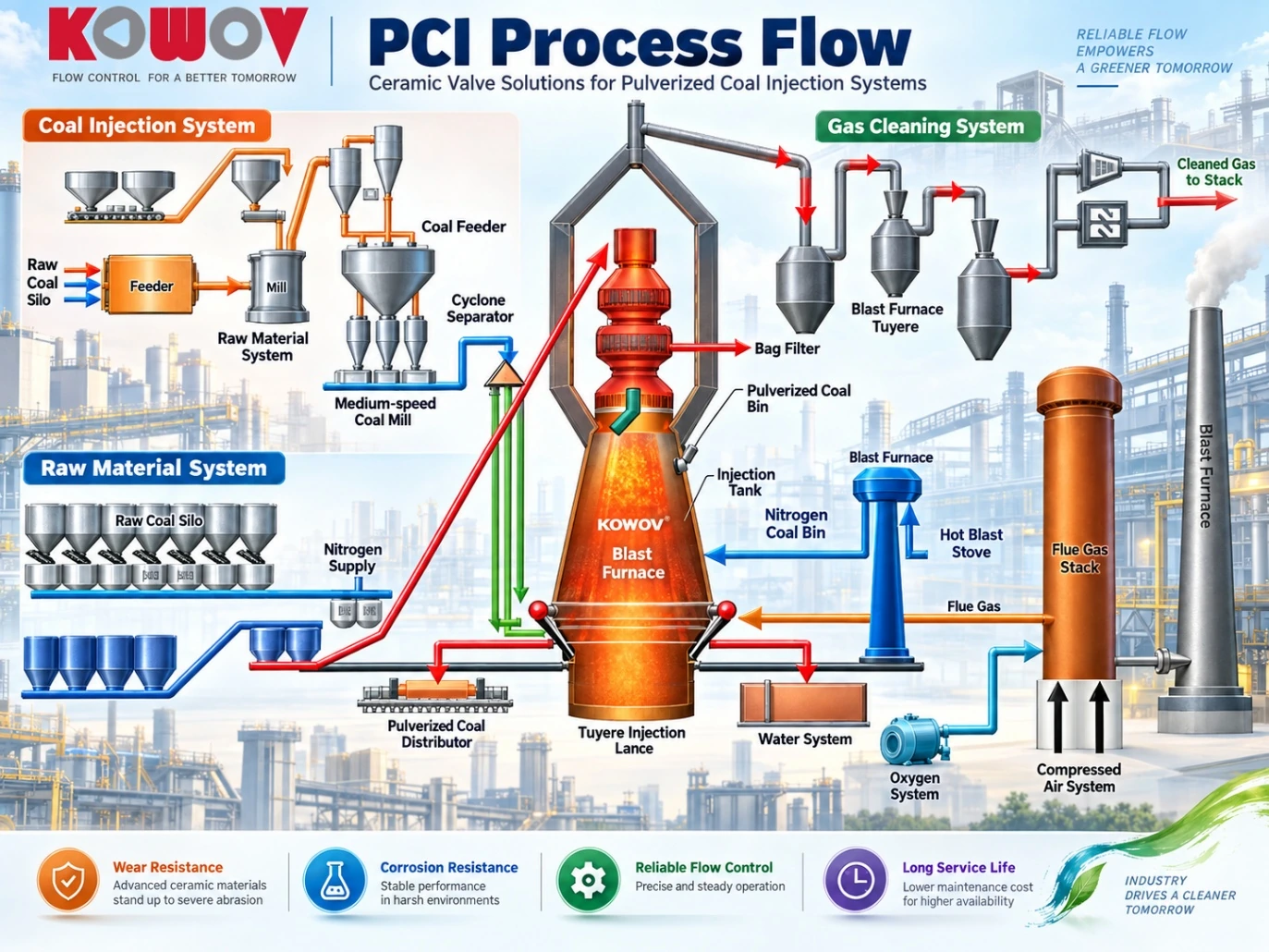
KOWOV ceramic valves are used in blast furnace pulverized coal injection (PCI) systems for coal powder conveying, on-off isolation and individual lance control. This application overview covers abrasive gas-solid flow, injection tank pressure cycles and sealing requirements, followed by steel plant references and the FCCV1, ELCV and FCRV product range
Pulverized Coal Injection System
Target Industry
- Integrated Steel Plants
- Blast Furnace Ironmaking
Operating Conditions
Pulverized Coal Injection (PCI) pneumatically conveys finely ground coal to the blast furnace through the main conveying line, distribution manifold, and individual injection lances. Valves provide isolation and flow control in dense-phase conveying lines, injection vessels, distribution systems, and individual lance-control lines
| Item | Value | Item | Value |
|---|---|---|---|
| Medium | Pulverized coal | Flow Regime | Gas-solid two-phase flow |
| Operating Pressure | 6-40 bar | Nominal Pressure | PN40 / Class 300 |
| Differential Pressure | ≤10 bar | Nominal Diameter | DN25-DN250 |
| Operating Temperature | 25-220°C | Thermal Conditions | No significant thermal shock |
| Characteristics | Highly abrasive | Conveying Mode | Dilute-phase or dense-phase conveying |
Medium Details
Pulverized coal containing carbonaceous material, mineral matter, quartz, and ash
Chemical Composition
Carbon (C), hydrogen (H), oxygen (O), nitrogen (N), sulfur (S), and mineral ash
Solids-to-Gas Mass Ratio
- Dilute phase: approximately 5-20
- Dense phase: approximately 25-40
Particle Size and Hardness
Particle size: approximately 5-200 μm, with 90% below 74 μm
Abrasiveness is primarily influenced by entrained mineral matter, quartz, and ash
Key Challenges
Severe Erosion and Short Service Life
High-velocity pulverized coal and entrained mineral particles continuously erode conventional metal valve components, rapidly damaging the flow passage and sealing surfaces and significantly shortening valve service life
Erosion-Induced Leakage
Continuous particle impact damages the ball, seats, and internal flow passage, causing internal or external leakage, pressure loss, unstable coal delivery, and reduced process reliability
Increased Operating Torque
Coal-fines accumulation, surface roughness, and deformation of worn components increase friction and operating torque, placing additional load on actuators and control systems
Valve Sticking and Jamming
Compacted coal fines and deformation of eroded internal components can cause valves to stick or jam, resulting in unstable coal flow and unplanned shutdowns
High Maintenance Costs and Downtime
Frequent replacement of worn components, emergency repairs, and unplanned production interruptions significantly increase lifecycle costs and reduce the availability and reliability of the PCI system
Why Choose Ceramic Valves?
Superior Wear Resistance
High-hardness structural ceramic trim resists particle abrasion and maintains its sealing geometry during frequent operating cycles, significantly reducing wear of the ball, seats, and internal flow passage
Superior Erosion Resistance
Ceramic flow-path components withstand continuous erosion from high-velocity pulverized coal, extending valve service life under demanding dense-phase conveying conditions
Reliable Sealing Performance
The precision-lapped ceramic ball and seats provide reliable tight shutoff after prolonged particle erosion, reducing coal-dust leakage and supporting stable pressurization, pressure-relief, and coal-injection cycles
Demonstrated Reference Service Life
- Control Valves: ≥5 Years
- On-Off Valves: ≥10 Years
Longer service life reduces maintenance frequency, spare-parts consumption, and unplanned shutdowns, improving the overall availability of the blast-furnace PCI system
Actual service life depends on coal properties, conveying velocity, pressure, temperature, operating frequency, and installation conditions
Application Reference
- Jiangsu Shagang Group Co., Ltd., China, since 2009
- Baosteel Group Corporation Limited, China, since 2011
- Formosa Ha Tinh Steel Corporation, Vietnam, since 2014
- JSW STEEL LTD., India, since 2019
- İskenderun Demir ve Çelik A.Ş, Turkey, since 2022
- TATA STEEL LIMITED, India, since 2023
At Baosteel and Shagang, ceramic ball valves were initially adopted as a replacement for German-made CeraSystem products. They have won consistent customer recognition thanks to favorable costperformance ratio and short leadtime. As for overseas steel mill references, they stem from the proven performance of KOWOV ceramic ball valves at major domestic steel plants. These valves have been introduced to corresponding overseas steel mills via Belt and Road engineering contractors and delivered satisfactory onsite performance
Results
Actual service life
- On-off valves 10 years
- Control valves 5 years
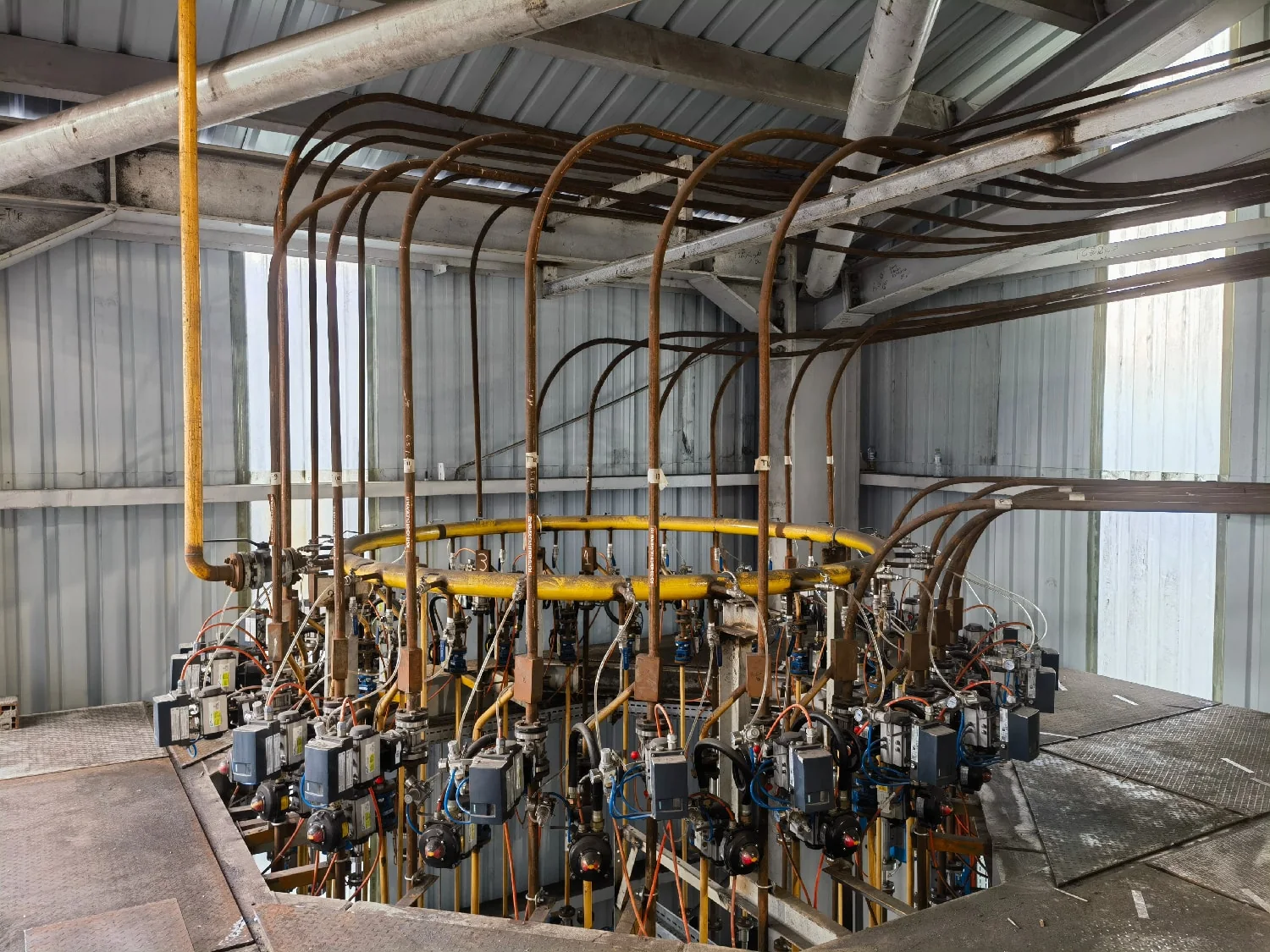
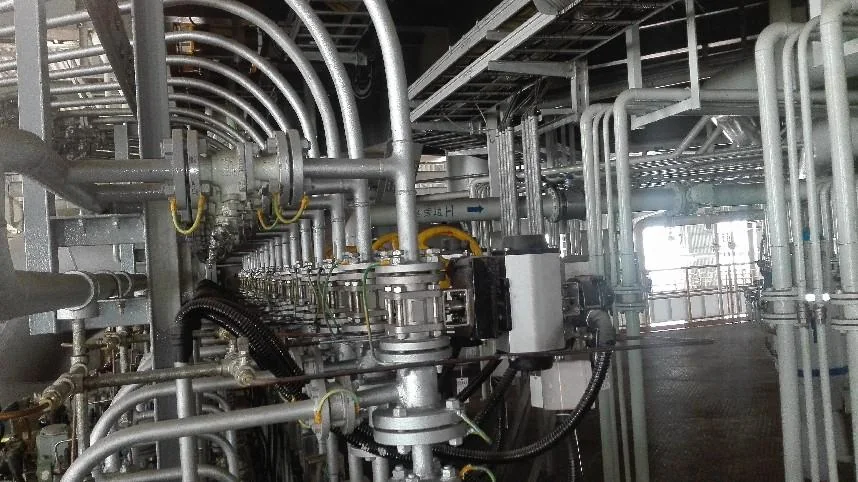
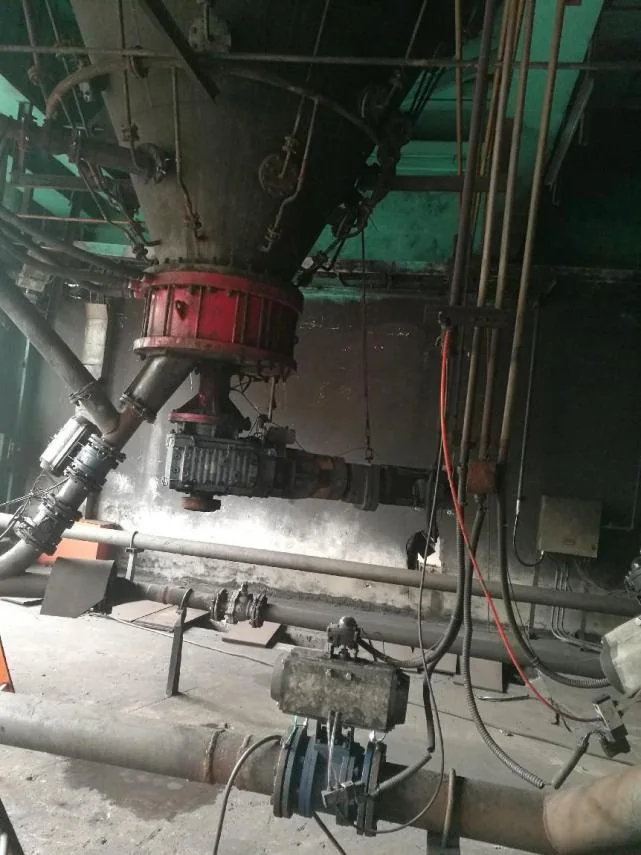
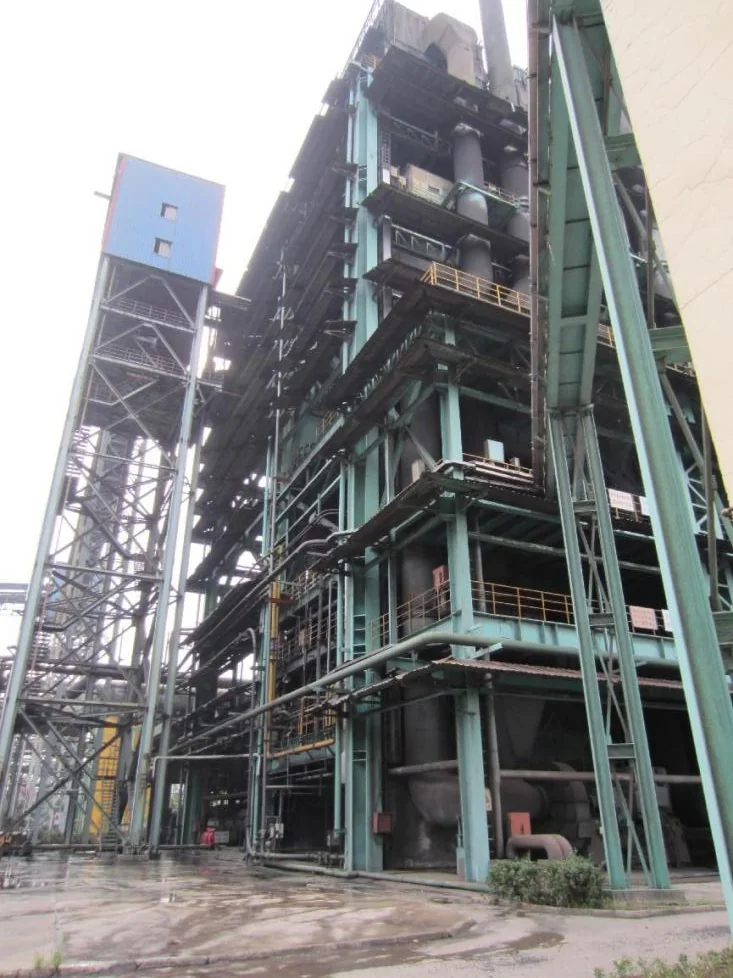
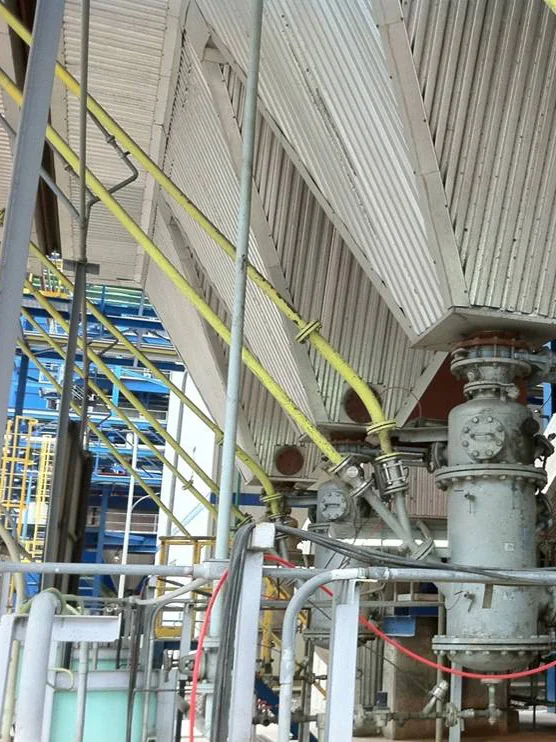
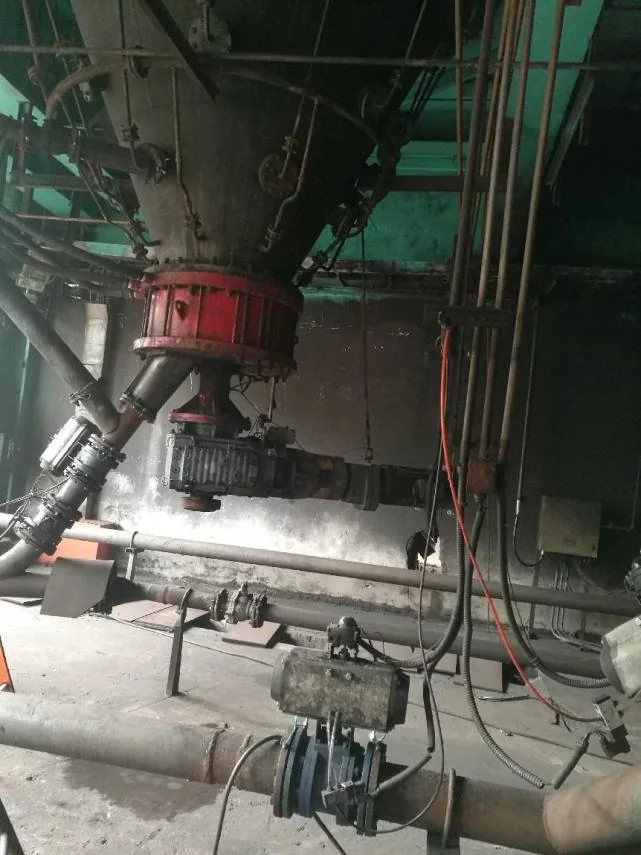
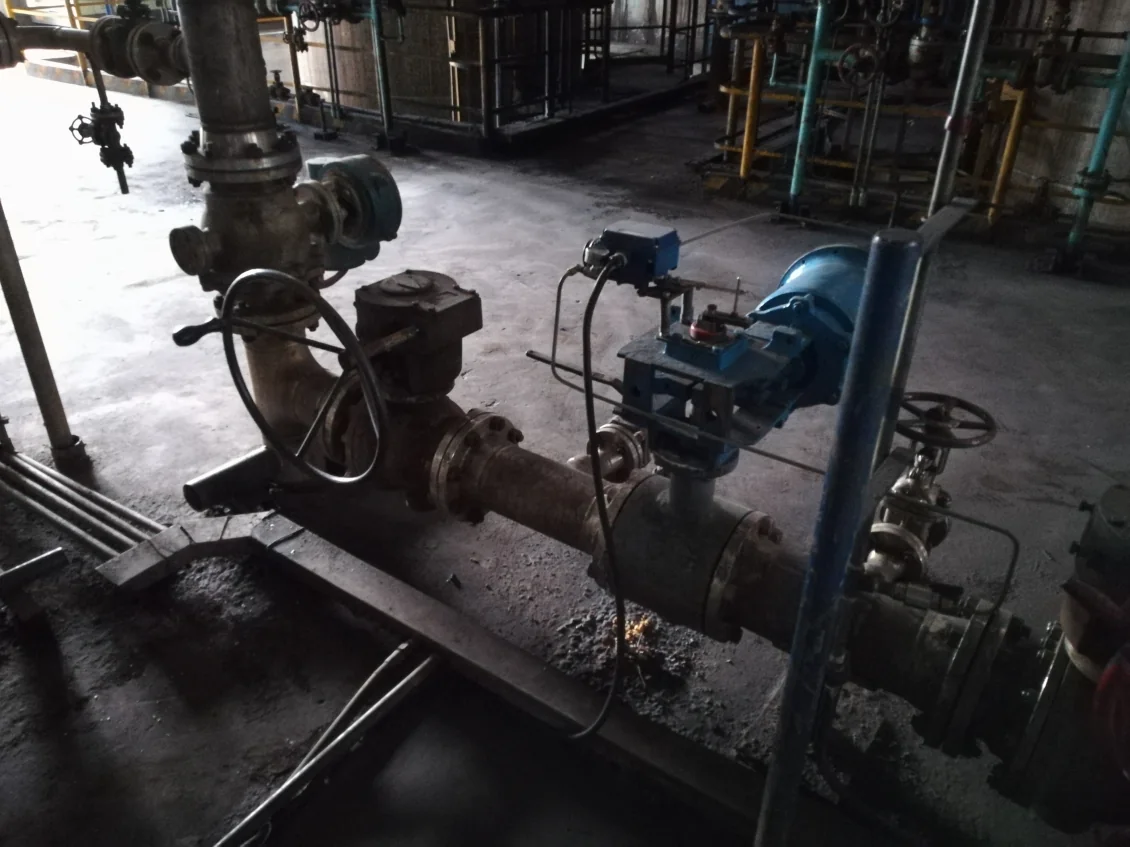
Pulverized Coal Injection: site photographs
Commonly Used Products
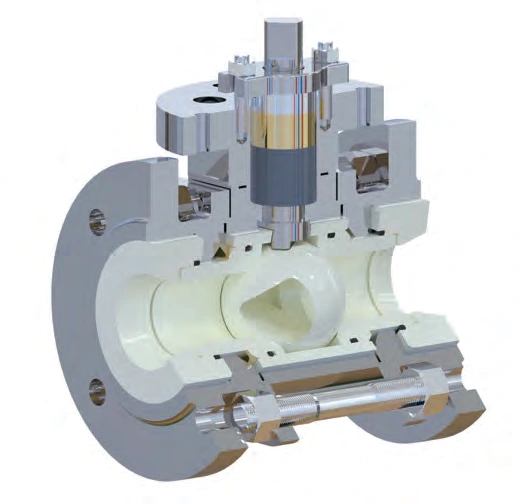
FCCV1
Standard Ceramic Ball Valve
A bidirectional ceramic ball-valve architecture for on-off duties where abrasion, corrosion or deposits affect the sealing path
View FCCV1
ELCV
Economical Ceramic Ball Valve
A compact ceramic ball-valve option for duties that need ceramic sealing surfaces without the architecture of the higher-severity FCCV families
View ELCV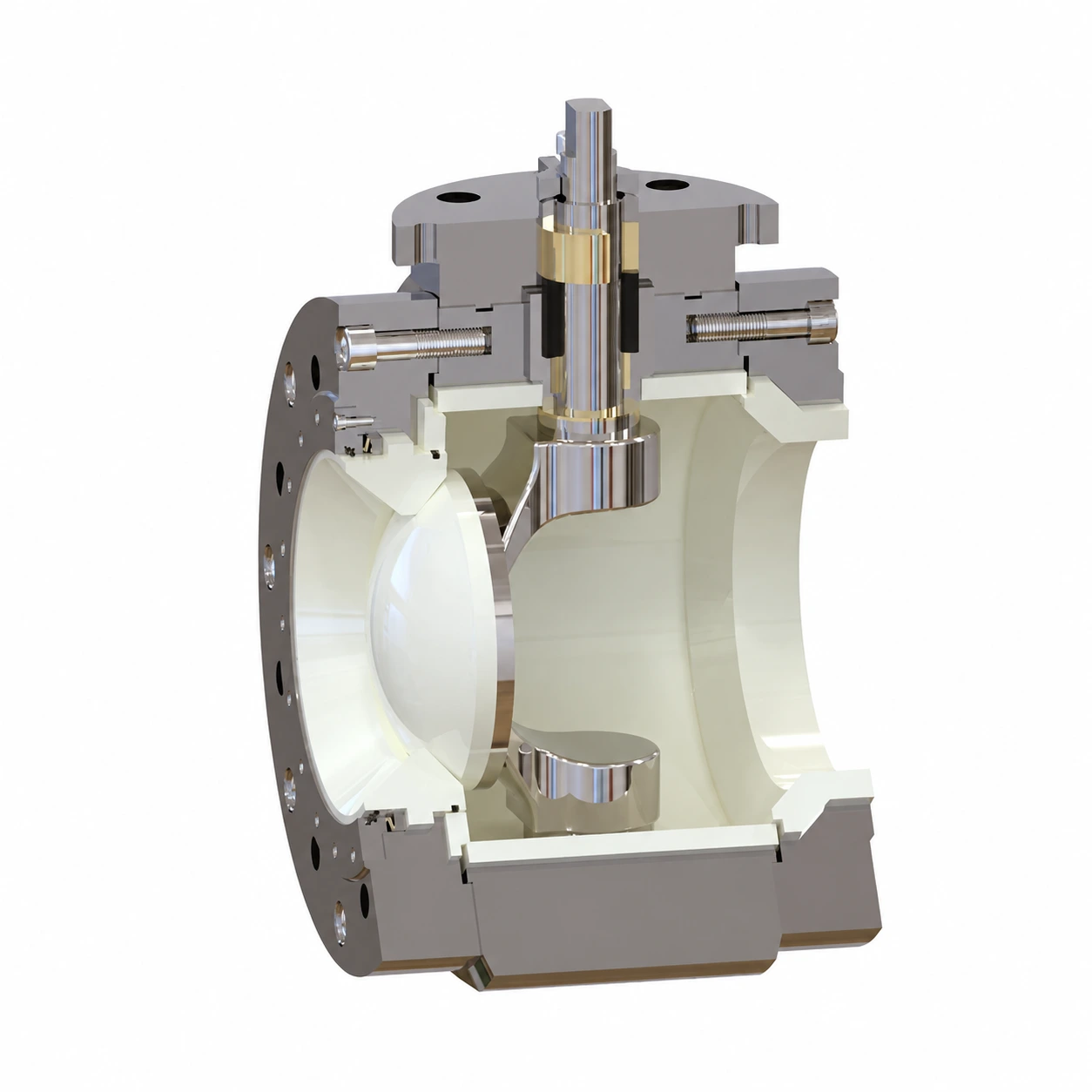
FCRV
Ceramic C Rotary Valve
A rotary C-segment flow path for regulation, shearing deposits and handling viscous or particle-bearing media
View FCRVContact Us
Talk to our team about your pulverized coal injection application
Discuss your application