Ceramic Valve Solutions for Fly Ash Handling
Wear-resistant flow control for abrasive fly ash in sealed pneumatic conveying systems
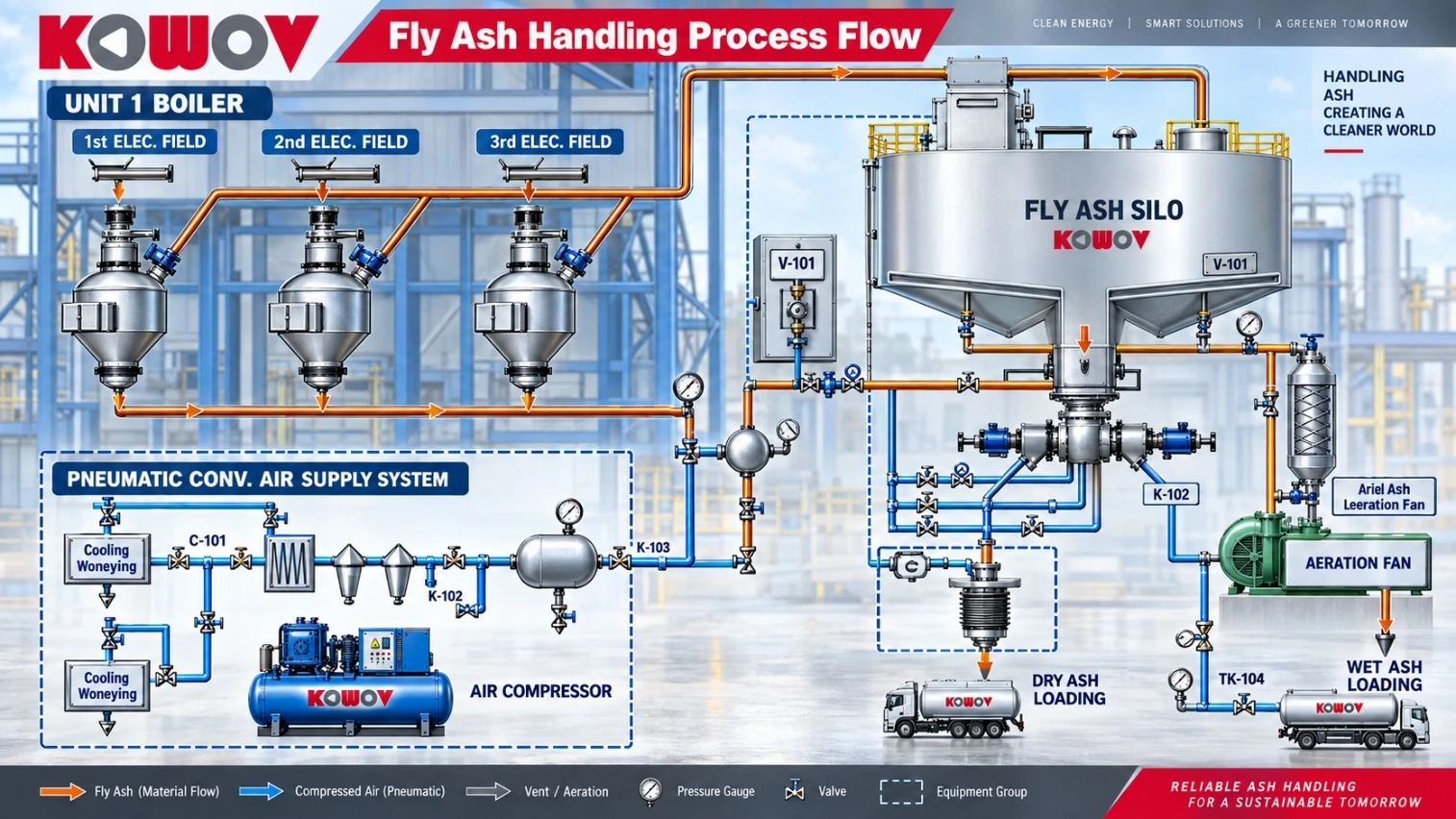
KOWOV ceramic valves are designed for dry fly ash and dust conveying systems. Their ceramic flow components resist particle erosion, corrosion, leakage and valve sticking in power plants, steel plants, cement plants and waste treatment facilities
Fly ash handling is also known as dry ash removal and ash conveying
Main Industries Covered
- Power Plants
- Steel Plants
- Mining & Metals
- Chemical Plants
- Municipal Solid Waste Incineration
- Cement Plants
Fly ash, alternatively referred to as coal ash, is generated as pulverized coal undergoes combustion at high temperatures of 1300-1500 °C followed by cooling. The majority of particles are spherical, featuring smooth surfaces and minute micropores. As fine ash particulates produced from fuel (mainly coal) combustion, fly ash is entrained in flue gas. Its particle size normally falls within the range of 1 μm to 100 μm. For this reason, fly ash exists in all coal-fired facilities
Operating Conditions
The primary function of the pneumatic ash conveying system is to transport fly ash collected in ash hoppers underneath the economizer and electrostatic precipitator to the ash silo via pneumatic conveying. Afterwards, the fly ash can be transported away by truck, or mixed into wet ash for shipment by vessel. The whole conveying process is implemented through sealed pipelines
This inherent hardness causes severe wear on industrial equipment during collection, pneumatic conveying, and processing stages. Valves, as critical flow control components in fly ash systems, are particularly vulnerable to erosive wear, which can lead to leaks, operational inefficiencies, and unplanned downtime
| Item | Description | Status | Characteristics |
|---|---|---|---|
| Medium | Dry fly ash, silica-rich | Dry powder / solid particles | Highly abrasive |
| Pressure Range (P) | 6-25 bar | Nominal pressure (PN) | PN25 / Class 300 |
| Differential Pressure (ΔP) | ≤6 bar | Nominal diameter (DN) | DN25-DN200 |
| Temperature Range | 80-250°C, with temperature fluctuations | - | No thermal shock |
Medium Details
Chemical Composition
SiO₂, Al₂O₃, Fe₂O₃, etc.
Medium Solids Content: Solids-to-Air Ratio
- Dilute phase: solids-to-air ratio <15
- Dense phase: solids-to-air ratio >25
Particle Size and Hardness
Particle size: 1-100 μm; Mohs hardness: 5-7, similar to quartz. Fine particles intensify internal valve erosion
Technical note: PN25 and Class 300 are different pressure-rating systems and are not equivalent. Please confirm whether both ratings are required for the valve specification
Key Challenges
Severe Wear and Short Service Life
Abrasive silica particles (Mohs hardness 6-7) rapidly erode conventional metal components, significantly shortening valve service life and increasing replacement frequency
Erosion-Induced Leakage
Continuous particle impact damages sealing surfaces, resulting in serious system leakage, pressure loss, and reduced process safety and efficiency
Increased Operating Torque
Particle buildup in clearances and surface roughness increase friction, requiring higher actuation torque and placing additional stress on valve actuators and control systems
Valve Sticking and Jamming
Hardened ash deposits and component deformation can cause valves to seize or jam, resulting in unplanned shutdowns and complete operational failure
High Maintenance Costs and Downtime
Frequent replacement of worn parts, emergency repairs, and unplanned production stoppages significantly increase operating expenses. The cumulative cost of downtime and maintenance may represent a substantial share of total valve lifecycle costs, directly affecting plant profitability, reliability, and safety compliance
Why Ceramic Valves?
Fly ash handling systems operate under extreme and highly abrasive conditions that challenge conventional valve designs. Dry, silica-rich particles, together with fluctuating pressure and temperature, require robust, wear-resistant solutions to ensure long service life and efficient operation
Superior Wear Resistance
Withstands abrasion from silica particles with a Mohs hardness of 6-7 far better than metal alloys, significantly reducing surface degradation and extending valve service life in abrasive fly ash applications
Excellent Corrosion Resistance
Inert ceramic materials resist chemical attack from acidic and alkaline process media, preventing oxidation and rust while reducing material degradation commonly experienced by metal valves during fly ash handling
Smooth Surface & Low Adhesion
An ultra-smooth ceramic surface minimizes particle buildup and adhesion, substantially reducing valve sticking, actuation torque, and maintenance frequency
Stable Under Harsh Conditions
Provides reliable performance under demanding conditions, from high vacuum to pressures of up to 0.8 MPa, and across temperatures ranging from 80°C to 250°C, ensuring high system availability
Conclusion: Ceramic valves are engineered to address wear, erosion, and corrosion challenges in fly ash systems, ensuring long-term efficiency and reduced downtime. Ceramic ball valves offer excellent wear resistance and provide a reliable solution for fly ash handling applications
Case Study
Application References
- PT. South Pacific Viscose, Indonesia, since 2013
- Shanxi Taigang Stainless Steel Co., Ltd., China, since 2006
A leading domestic stainless-steel producer operates two dry ash-removal systems. Its conventional metal hard-seated ball valves with tungsten-carbide coatings experienced frequent failures in ash-conveying service, including internal leakage, valve seizure, and body erosion. Their service life was less than six months, increasing maintenance costs, disrupting system operation, and creating potential gas-leakage risks
During the major overhaul of Blast Furnace No. 5 in 2020, the company adopted nearly 100 sets of KOWOV ceramic valves for the entire dry ash-removal and ash-conveying system after rigorous evaluation
Since being commissioned in October 2020, the KOWOV ceramic valves have delivered more than three years of maintenance-free operation. Their service life is over six times longer than that of conventional metal valves, saving the customer more than RMB 1 million annually in spare-parts costs. They have effectively replaced Japanese Fujikin ceramic valves and Fisher metal control valves and have received unanimous customer recognition
Results
Minimum service life
- On/off valves: ≥6 years
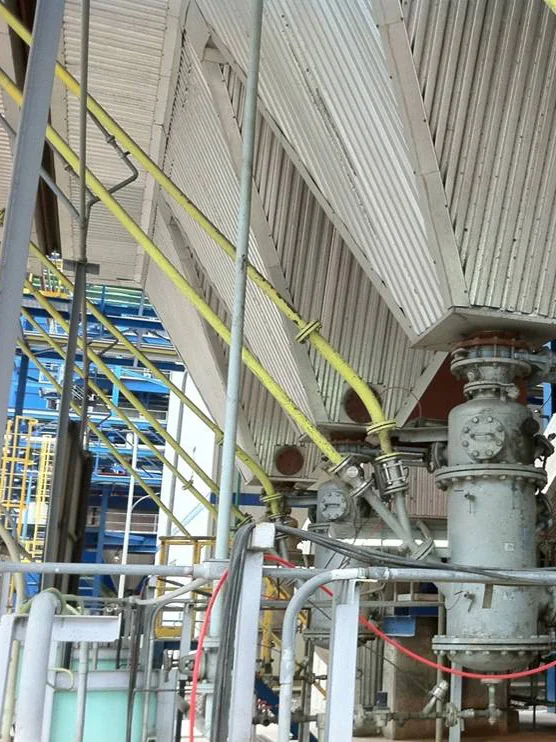
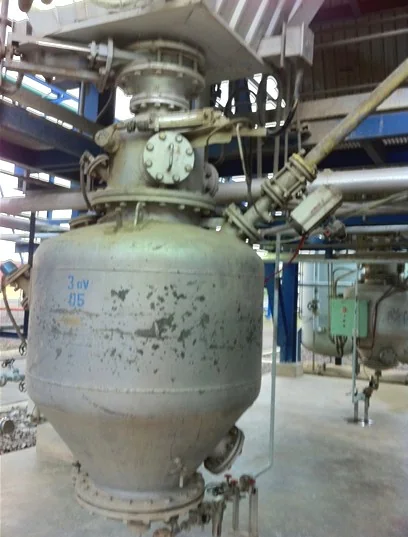
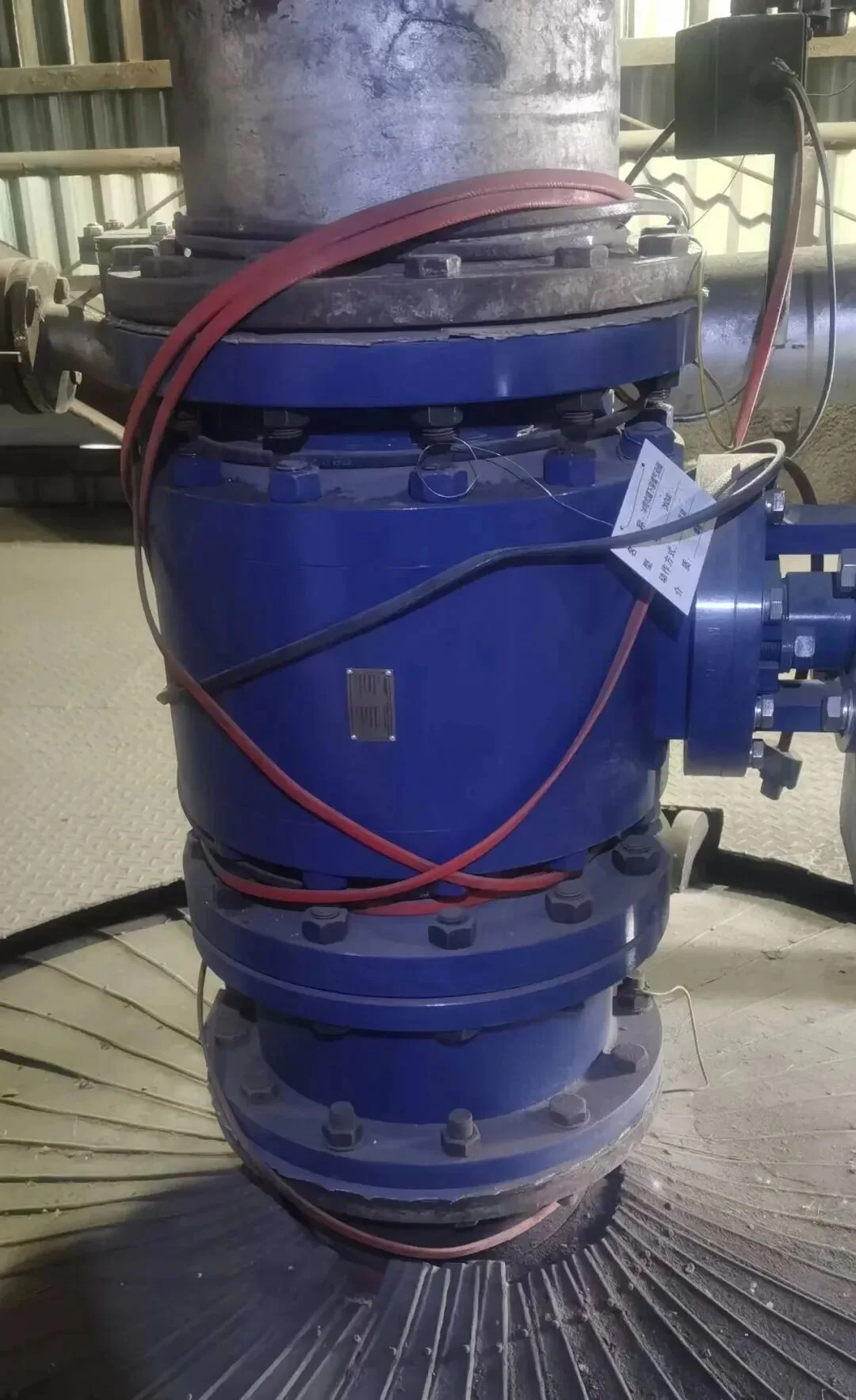
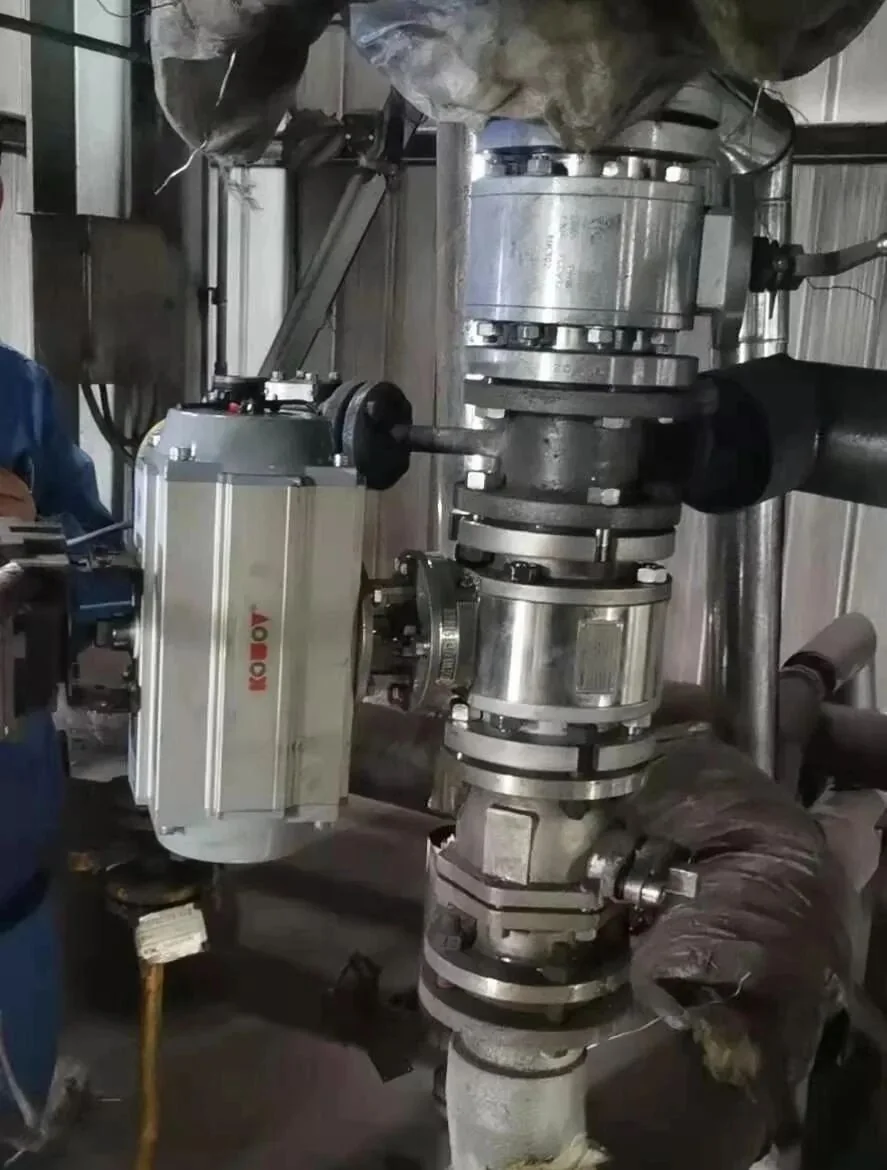
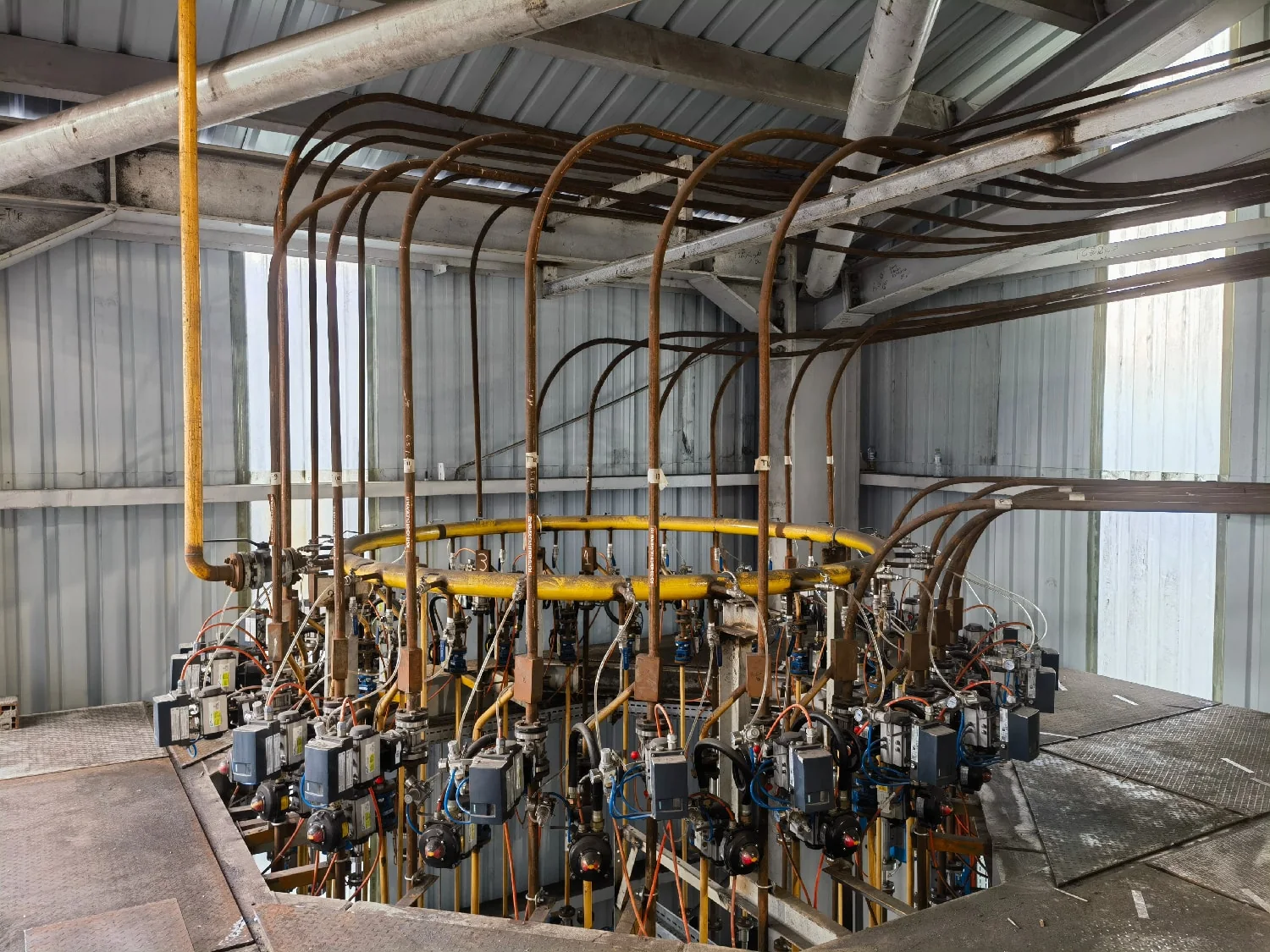
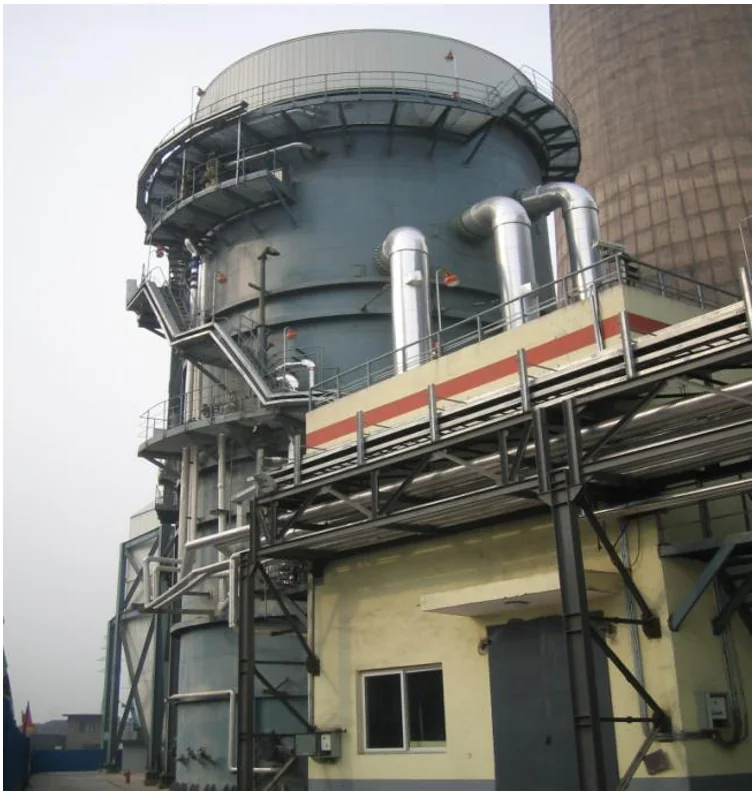
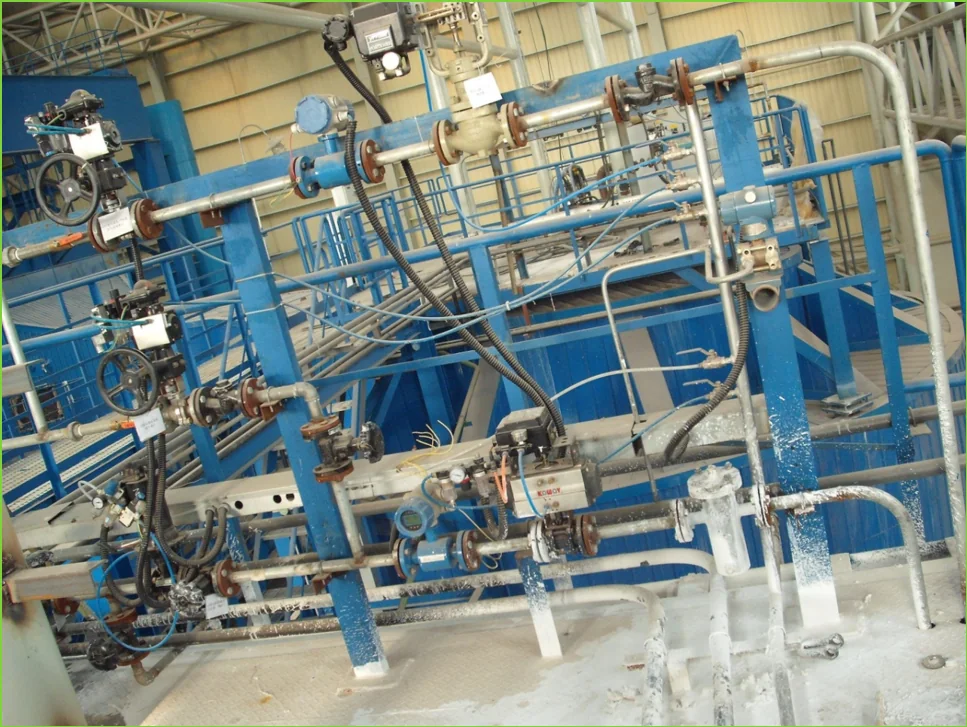
Fly Ash Handling: site photographs
Commonly Used Products
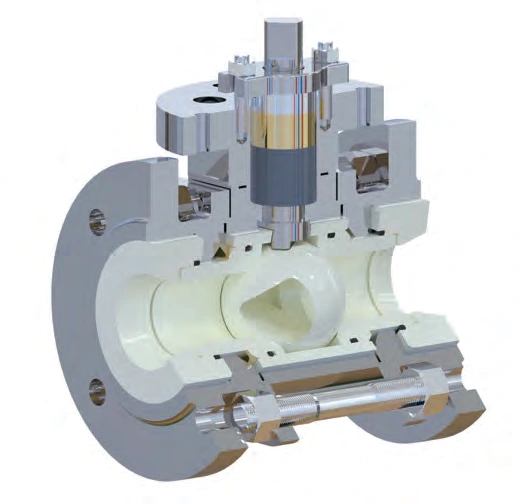
FCCV1
Standard Ceramic Ball Valve
The FCCV1 series is the standard model in the ceramic ball-valve range. It is designed for highly corrosive and severely abrasive service at temperatures up to 180°C and differential pressures up to 2.0 MPa
- Wide sealing surfaces and scraper-type valve seats provide reliable shutoff and extended service life
- The ball and valve-seat sealing surfaces are match-lapped to ensure tight sealing
- The stuffing box incorporates live loading that maintains a constant packing load even after substantial wear, extending packing service life
- The symmetrical valve design provides bidirectional sealing with no flow-direction restrictions, potentially doubling service life
- Wide ceramic flange-sealing surfaces protect the metal flanges from erosion and corrosion by the process medium

ELCV
Economical Ceramic Ball Valve
The ELCV uses essentially the same basic structural design as the FCCV1 but does not include a top mounting platform. Materials can be selected flexibly according to the operating conditions, providing a more economical ceramic-valve solution, although overall reliability is slightly lower than that of the FCCV1
| Parameter | Specification |
|---|---|
| Valve design | Floating-ball construction |
| Flange standards | ASME B16.5 / HG / DIN / JIS |
| Pressure rating | PN10-PN50 / ASME Class 150-300 |
| Operating temperature | −40°C to 180°C |
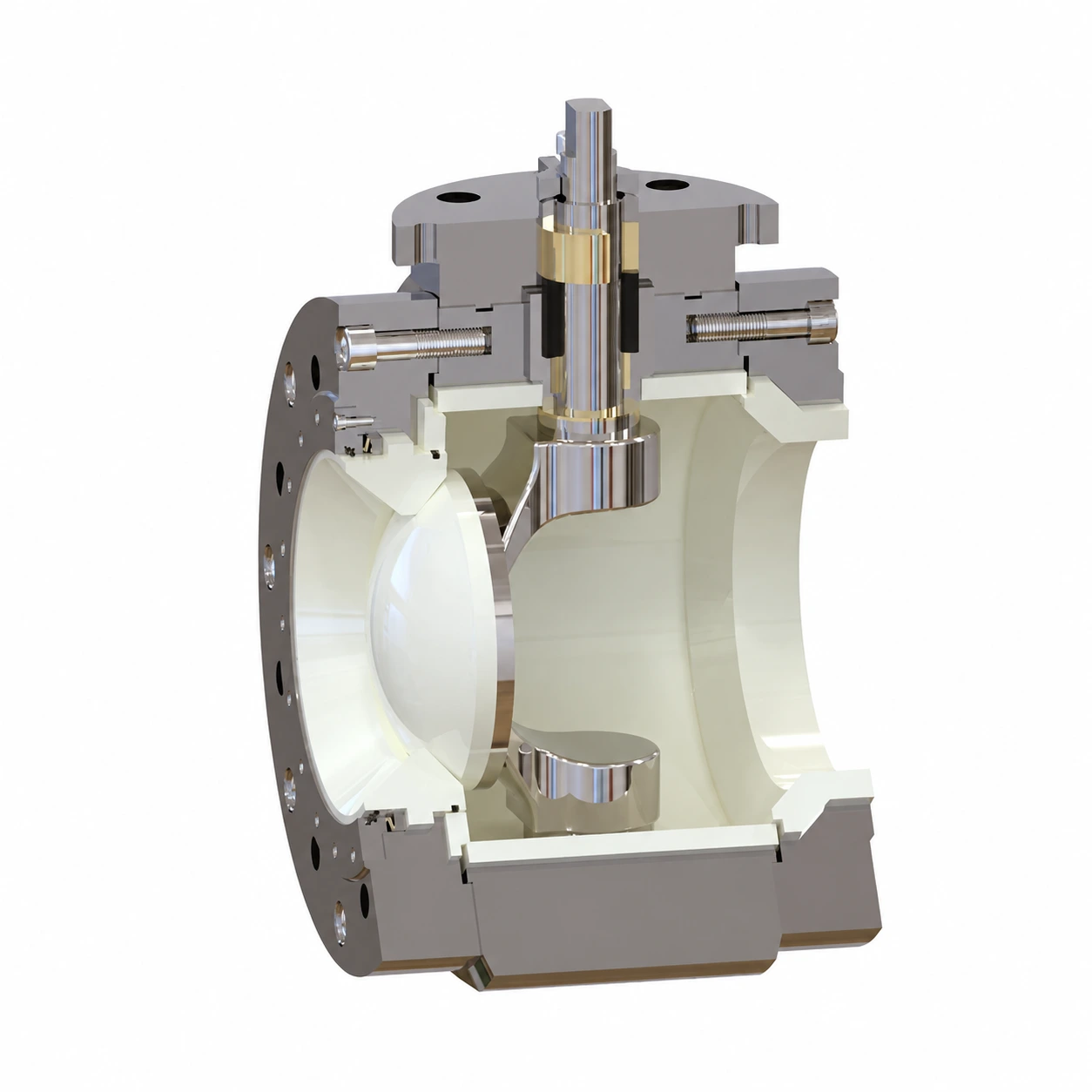
FCRV
Ceramic C-Ball Valve
The valve features a special C-shaped design. Its ball consists of a C-shaped metal support and a one-piece ceramic ball segment mechanically connected and securely embedded together. The ceramic segment protects the metal support from direct erosion by the process medium
The concentric design keeps the ceramic ball segment in continuous contact with the seat during operation, allowing it to scrape away deposits adhering to the sealing surfaces and maintain reliable shut-off performance. It is particularly suitable for media prone to crystallization, scaling, agglomeration, high solids loading and valve jamming. Its cavity-free design minimizes material accumulation inside the valve
Size range: DN50-DN400 (2″-16″)
View FCRVContact Us
Talk to our team about your fly ash handling application
Discuss your application