Ceramic Valve Solutions for SCR DeNOx Systems
Reliable valve control for ammonia water, ammonium salts, fly ash and acid-alkali condensate in demanding SCR applications
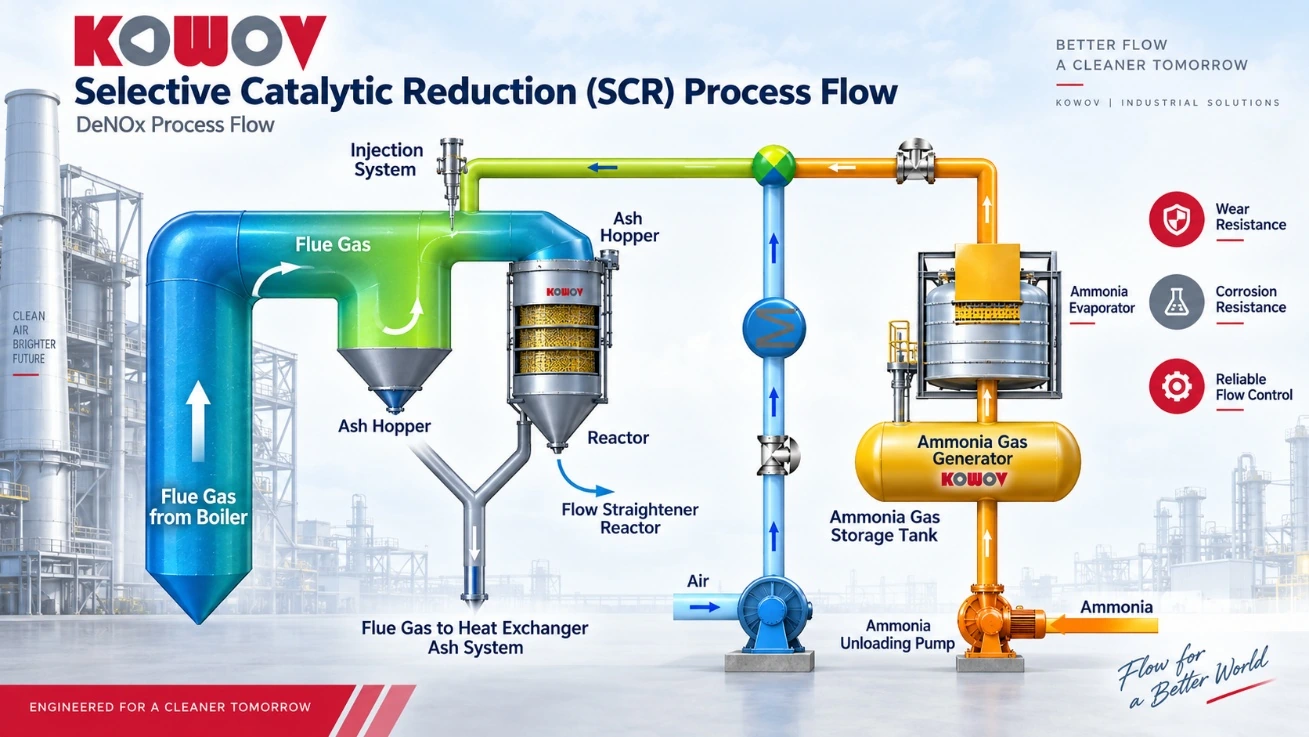
KOWOV ceramic valves are designed for SCR denitrification systems exposed to ammonium salt crystallization, fly ash erosion, acid-alkali corrosion and high-temperature operation. They support precise ammonia water control and reliable operation in power plants, waste incineration plants and chemical fertilizer facilities
Selective Catalytic Reduction System
Flue-Gas Treatment System for Significant Reduction of Nitrogen Oxide (NOₓ) Emissions
Main Industries Covered
- Power Plants
- Steel Plants
- Mining & Metals
- Chemical Plants
- Municipal Solid Waste Incineration
- Cement Plants
Operating Conditions
DeNOₓ systems typically use Selective Non-Catalytic Reduction (SNCR) for preliminary NOₓ reduction, followed by Selective Catalytic Reduction (SCR) for deep removal. This configuration balances denitrification efficiency, reductant consumption, and operating costs while meeting ultra-low-emission requirements
The SCR reaction zone is generally installed downstream of the waste-heat boiler. With a dedicated catalyst, deep NOₓ removal takes place at 200-400°C, significantly reducing outlet NOₓ emissions
Supporting systems include reductant storage, conveying, mixing and injection, aqueous-ammonia atomization, catalyst regeneration, and wastewater recovery. Together, these systems help suppress ammonia slip and prevent secondary pollution
| Item | Description | Status | Characteristics |
|---|---|---|---|
| Medium | Aqueous ammonia / urea; ammonium-salt mixture | Gas-liquid-solid three-phase flow | Corrosive and abrasive |
| Pressure (P) | 6-16 bar(g) | Nominal pressure (PN) | PN16 / Class 150 |
| Differential Pressure (ΔP) | ≤6 bar | Nominal diameter (DN) | DN25-DN200 |
| Temperature | <220°C, process side | - | Wet-dry cycling; no thermal shock |
Medium Details
SCR units are generally installed around the boiler economizer and in high-temperature, high-dust sections. Waste-incineration flue gas has a complex composition containing HCl, alkali-metal dust, and heavy metals, increasing the risk of catalyst poisoning and plugging
| Chloride Ion Concentration | Corrosive Substances | Corrosivity (pH) |
|---|---|---|
| 300-800 ppm chloride ions | Aqueous ammonia, ammonium chloride crystals, HCl, SO₂, heavy-metal salts, and alkali-metal dust | Aqueous ammonia: pH 9-12, alkaline; condensate: pH 2-4, acidic, with wet-dry cycling |
| Medium Solids Content | Medium Particle Size | Medium Hardness |
|---|---|---|
| Approximately 25% solids | Fly ash: 5-80 μm; ammonium-salt crystals: 10-150 μm | Mohs hardness 5-7, similar to quartz; highly abrasive |
Special Operating Conditions
Erosion, Wear, and Corrosion
High-pressure atomized water carries ammonium salts and fly-ash particles, causing high-velocity erosion of valve internals. Corrosive fluids damage the metal passive film, while mechanical wear combined with electrochemical corrosion accelerates damage to valve seats and plugs
Localized Corrosion under Wet-Dry Cycling
During system start-up, shutdown, and flue-gas temperature fluctuations, condensate forms on the inner walls of pipes and valves. Ammonium chloride and ammonium sulfate dissolve in the condensate and penetrate the metal matrix. After shutdown, salt crystallization on equipment surfaces induces stress, resulting in intergranular cracking and delamination of protective linings
Compound Corrosion from Acid-Alkali Alternation
Ammonia water is strongly alkaline during normal operation. Condensation of low-temperature flue gas generates acidic condensate containing sulfuric, hydrochloric, and nitric acids. Valve internals are therefore exposed alternately to strong alkaline and acidic media. Conventional alloys and rubber linings are prone to swelling, blistering, delamination, and failure
Catalyst Plugging
Fly ash from waste incineration contains alkali metals that can deposit on and poison the SCR catalyst. To meet ultra-low-emission requirements (NOₓ <50 mg/Nm³), the reductant injection rate must be precisely controlled. Conventional valves often lack the accuracy and stability required for reliable micro-flow regulation
Comprehensive Operational Pain Points
The flue-gas denitrification environment in waste-incineration plants combines strong corrosion, severe wear, crystallization damage, and high control-precision requirements. The multiphase medium and fluctuating operating conditions are considerably more demanding than those in conventional thermal-power denitrification systems
These conditions place extreme demands on valve corrosion resistance, structural wear resistance, and control accuracy. Ordinary industrial valves are susceptible to leakage, jamming, and sharply shortened service life, becoming a weak link in stable system operation
Keywords: SCR Reactor, Urea Hydrolysis/Pyrolysis for Ammonia Production, Aqueous Ammonia Metering Module, Atomization System, Ammonia Slip Control, Ammonium Salt Crystallization, Catalyst Regeneration, Precise Flow Regulation
Process Pain Points or Key Opportunities
Conventional Valve Materials and Types
Stainless-steel ball, plug, and butterfly valves are typically used. The valve bodies are often made of 316L urea-grade stainless steel, while the valve plugs and seats are mainly manufactured from 2507 super duplex stainless steel
Problems with Conventional Valves
Continuous high-velocity erosion from ammonium-salt particles causes severe wear and corrosion of valve plugs and seats. Ammonium-salt crystals adhere to the valve cavity, resulting in sticking, jamming, and blockage
Replacement Cycle and Service Life
The service life of stainless-steel ball valves is typically only 15-30 months, much shorter than expected, leading to frequent replacement and maintenance
Losses Caused by Maintenance Shutdowns
- DeNOₓ system failures can cause NOₓ emissions to exceed regulatory limits, triggering environmental alerts and the risk of penalties or shutdowns
- Non-uniform injection increases ammonia slip, generating ammonium-salt by-products and increasing disposal costs
- Shutdowns for valve replacement reduce waste-incineration capacity and revenue
- Repeated disassembly and flushing significantly increase water, electricity, and chemical consumption
- Frequent start-stop cycles cause thermal cycling, accelerating corrosion and degradation of the entire DeNOₓ system
- Ammonium-salt buildup increases storage, transfer, and disposal costs
Keywords: High Procurement Cost of Imported Valves · Short Service Life · Frequent Maintenance Shutdowns · Risk of Environmental Compliance Violations · Excessive Reductant Consumption · Accelerated Catalyst Wear
Why Choose Ceramic Valves?
Superior Abrasion and Erosion Resistance
With a hardness of up to HRA 90, structural ceramics significantly outperform conventional metal valve trim in abrasive service. Ceramic sealing surfaces resist particle adhesion and micro-welding, maintaining stable flow-control accuracy even under prolonged high-velocity erosion
Superior Corrosion Resistance
As inorganic, non-metallic materials, structural ceramics are inherently resistant to electrochemical corrosion and chloride-ion attack. They withstand media ranging from pH 2 to pH 12, while avoiding the swelling and delamination commonly associated with polymer linings and reducing the adhesion of ammonium-salt crystals
Quality Commitment
Minimum Service-Life Commitment: Control Valves ≥5 Years; On/Off Valves ≥7 Years
Ceramic valves substantially reduce replacement frequency and unplanned downtime while lowering total operating costs, including chemical consumption, maintenance labor, and waste-disposal expenses. They also improve the reliability and environmental compliance of DeNOₓ systems
Conclusion: Ceramic valves effectively address ammonium-salt crystallization and blockage, acid-alkali corrosion, and particle erosion in DeNOₓ systems, making them a reliable choice for demanding waste-incineration and power-generation applications
Case Study
- Zhejiang Juhong Thermoelectric Co., Ltd., China, since 2015
- Qinghai Yuntianhua International Chemical Fertilizer Co., Ltd., China, since 2023
- Zhejiang Jinhua Jinnian No.2 Domestic Waste Incineration Power Plant, since 2020
- Fujian Pacific Electric Power Co., Ltd. Meizhouwan Power Plant, China, since 2016
Urea-grade stainless steel valves face critical limitations in DeNOx systems, particularly in high-temperature, high-dust, and high-chloride environments where they suffer from erosion corrosion and crystallization plugging. In waste incineration (SNCR spray gun metering, high-velocity flow control), they fail to resist solid particle scouring, leading to short lifespans and frequent maintenance
Ceramic valves solve these three pain points (corrosion, wear, plugging) simultaneously, offering superior performance and cost-effectiveness as the optimal choice for demanding DeNOx conditions
Conclusion
Actual Service Life Verification
- Control Valves: 5 Years
- On-Off Valves: ≥7 Years
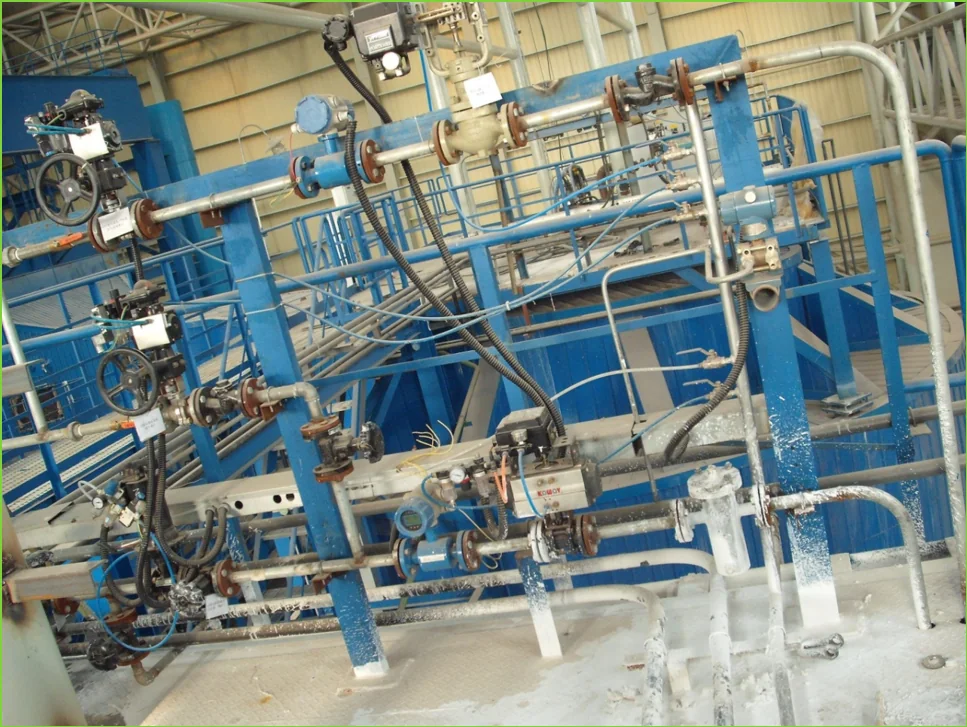
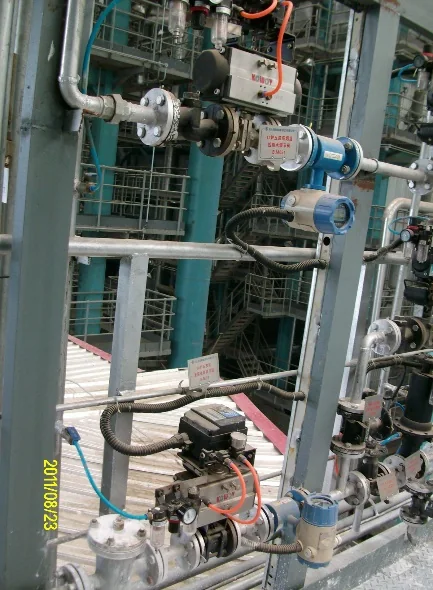
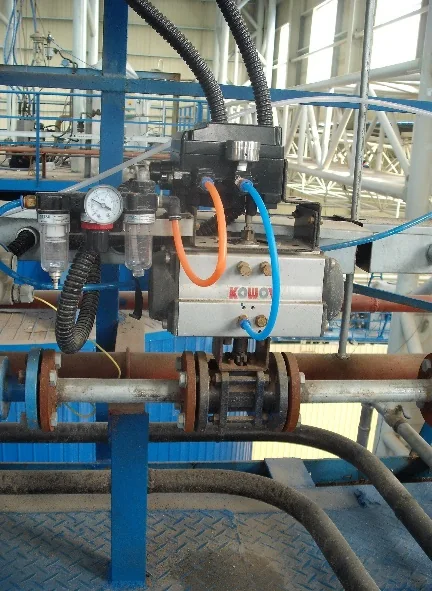
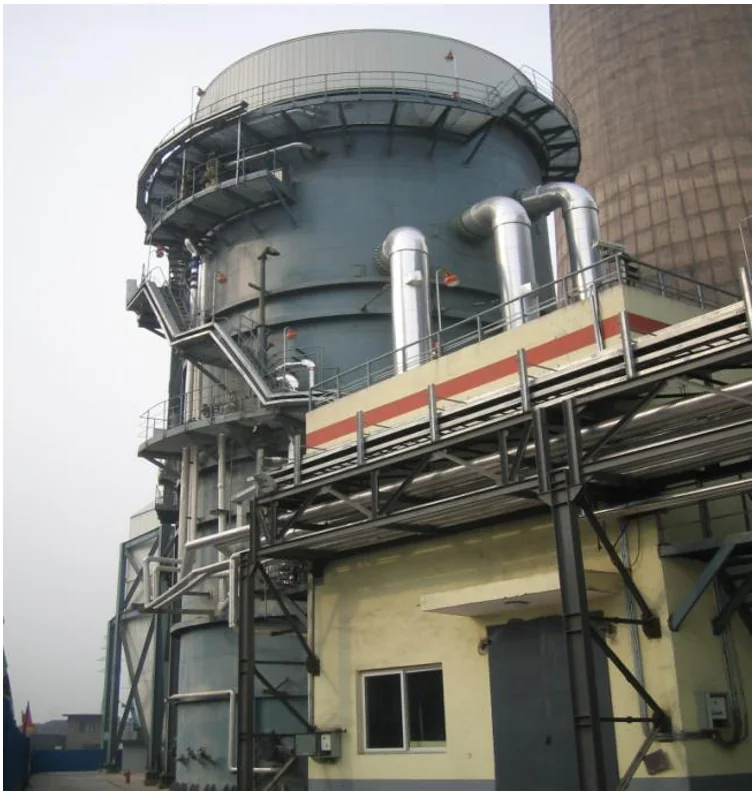
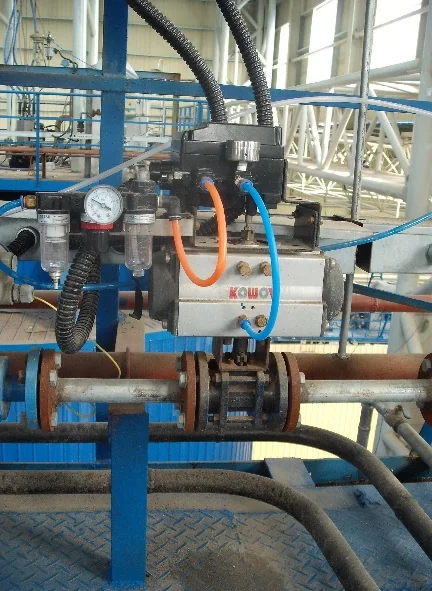
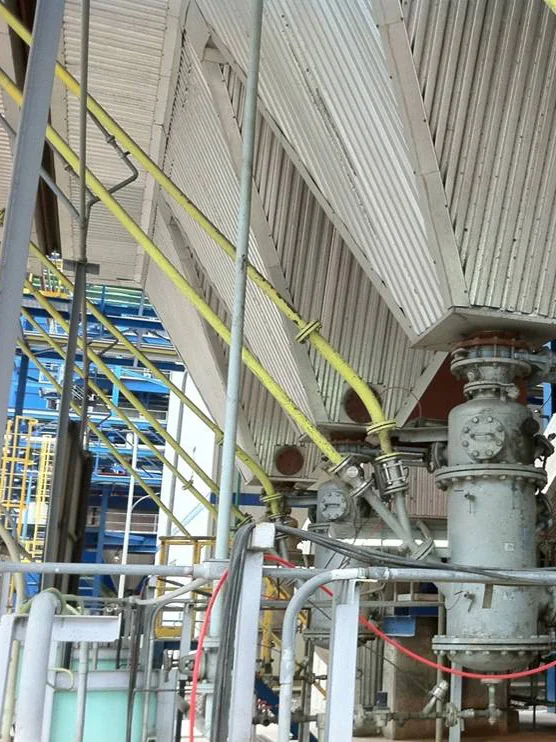
SCR DeNOx: site photographs
Commonly Used Products
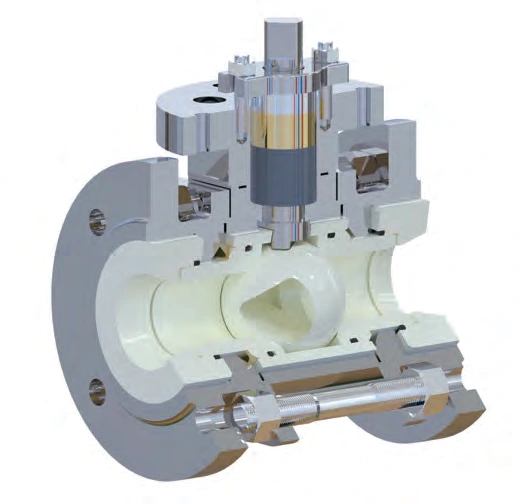
FCCV1
Standard Ceramic Ball Valve
A bidirectional ceramic ball-valve architecture for on-off duties where abrasion, corrosion or deposits affect the sealing path
View FCCV1
ELCV
Economical Ceramic Ball Valve
A compact ceramic ball-valve option for duties that need ceramic sealing surfaces without the architecture of the higher-severity FCCV families
View ELCV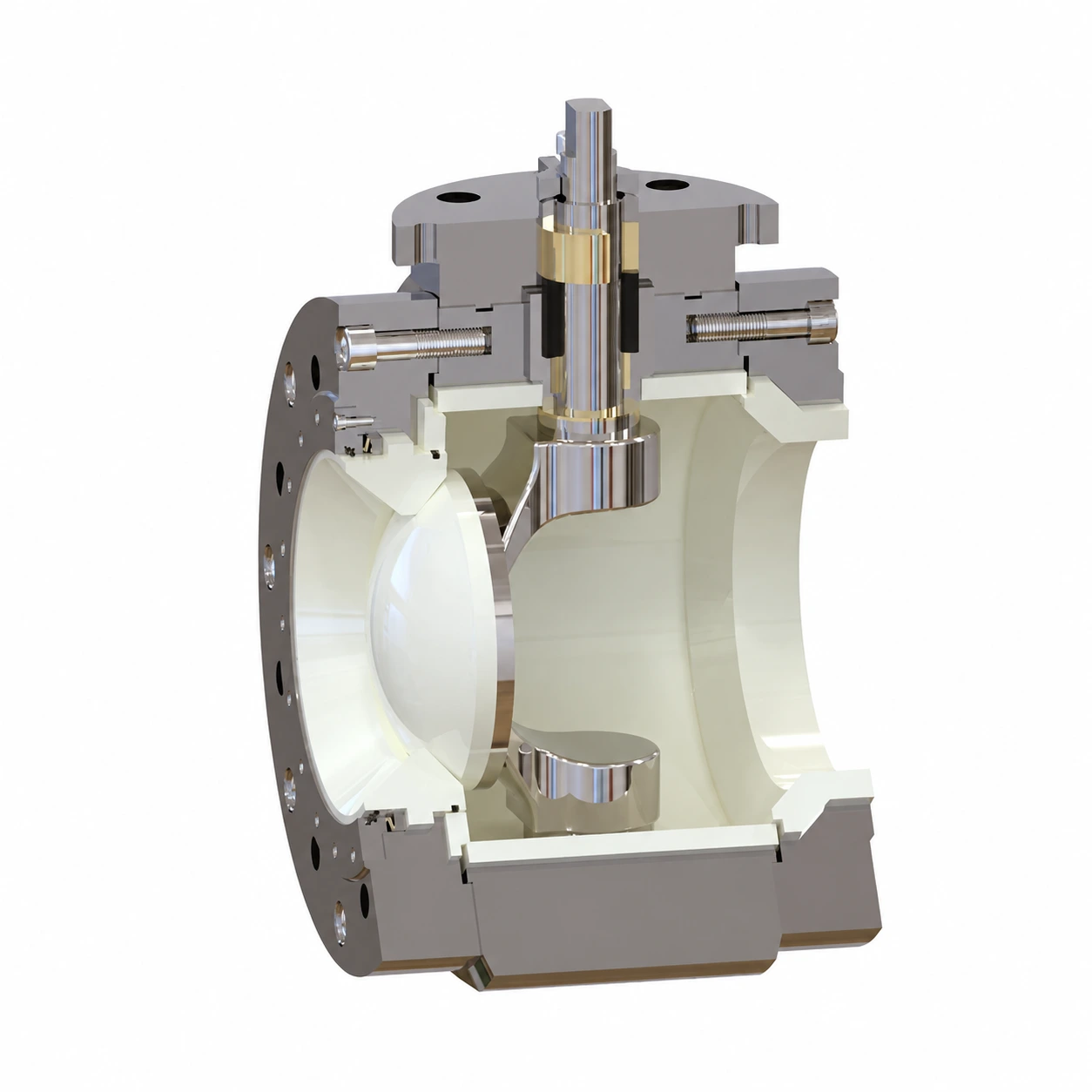
FCRV
Ceramic C Rotary Valve
A rotary C-segment flow path for regulation, shearing deposits and handling viscous or particle-bearing media
View FCRVContact Us
Talk to our team about your SCR DeNOx application
Discuss your application