Ceramic Filter Press Feed Valves for Carbide Slag Slurry
KOWOV ceramic valves are used at filter press feed inlets handling carbide slag slurry in salt chemical plants. This application overview focuses on abrasive wear, scaling and valve sticking, and presents a ceramic C-type valve trial at the slurry inlet. The reported valve sizes in the case are DN65, DN80 and DN200
Calcium Carbide Slurry Filter Press
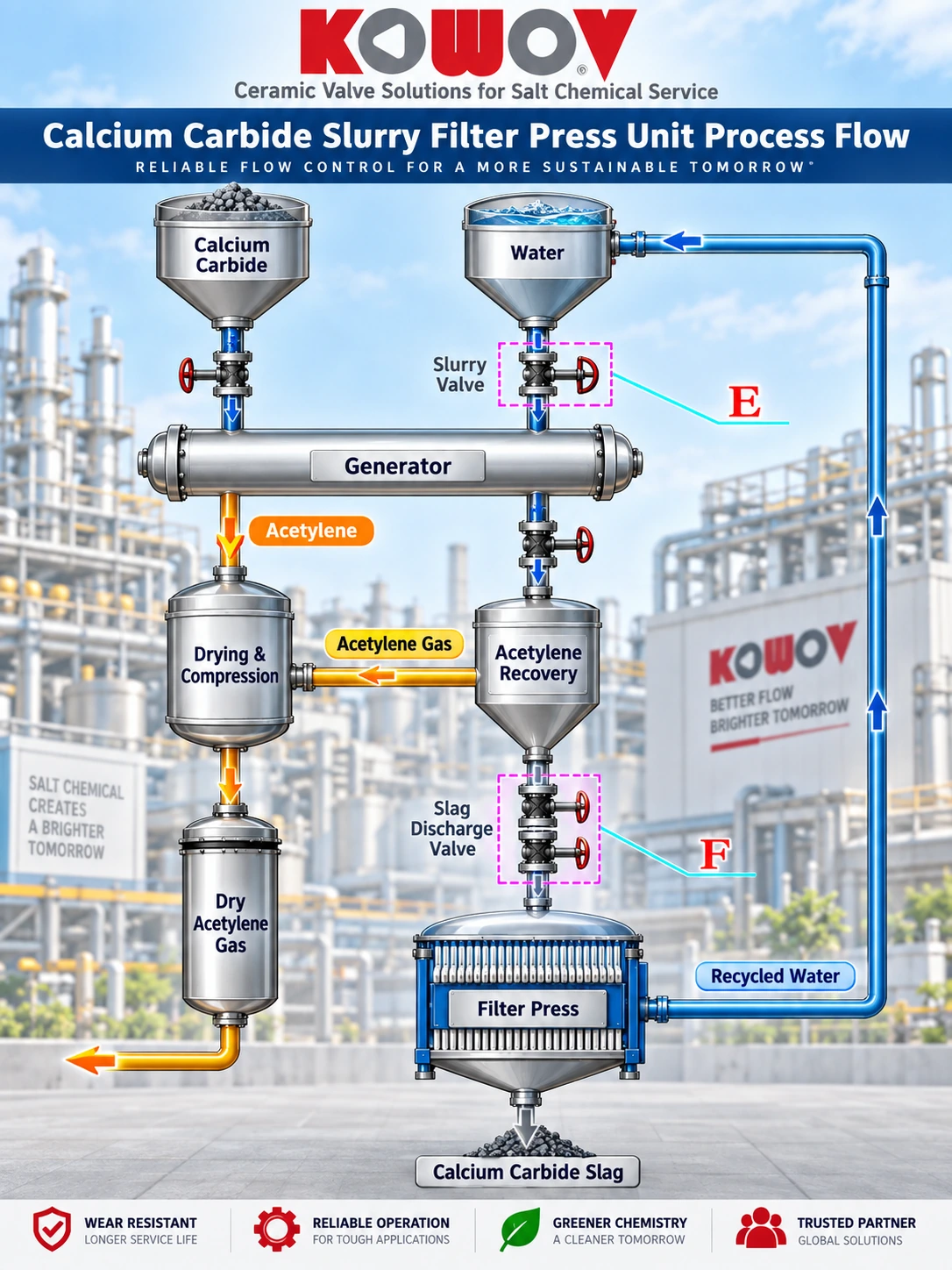
In chlor-alkali plants, filter press systems dewater calcium carbide slurry into filter cake for easier storage and transportation. The slurry contains hard solid particles and calcium hydroxide, which may form calcium carbonate scale when exposed to carbon dioxide
The combined effects of particle erosion, crystallization and scale buildup can cause conventional metal valves to wear, seize or become blocked. This results in internal leakage, unstable operation, frequent maintenance and interruptions to normal production
Typical Failures of Conventional Metal Valves
Severe internal wear, component deformation, scale buildup and flow-path blockage
Operating Conditions
The filter press inlet valve conveys residual calcium carbide slurry from the acetylene generation process into the filter press for dewatering and filter-cake formation. Hard suspended solids cause severe abrasive wear, while crystallization and scale buildup occur on valve internals and pipe walls. Conventional valves are therefore prone to internal leakage, seizure and blockage, disrupting normal production
| Item | Value | Design Parameter | Specification |
|---|---|---|---|
| Medium | Calcium carbide slurry | Phase | Liquid-solid slurry |
| Operating Pressure | ≤0.7 MPa(g) | Nominal Pressure | PN16 / PN25 |
| Differential Pressure | ≤0.2 MPa | Nominal Diameter | DN65-DN200 |
| Temperature | <100°C | Thermal Condition | No significant thermal shock |
| Key Characteristics | Abrasive solids and scale-forming tendency | - | Wear, scaling and blockage |
Medium Details
| Parameter | Description |
|---|---|
| Chemical Composition | Primarily calcium hydroxide, calcium carbonate and calcium-containing suspended solids |
| Corrosive Species | Trace chloride ions (Cl⁻) |
| pH | 8-10* |
| Solids Content | To be confirmed |
| Particle Size | To be confirmed |
| Particle Hardness | To be confirmed |
Operating Challenges
Key Characteristics of the Operating Conditions
Mild Chemical Corrosion
The slurry contains trace chloride ions and is mildly corrosive. Duplex stainless steel 2205 generally provides adequate corrosion resistance under these conditions, subject to verification of the actual chloride concentration, pH and operating temperature
Severe Abrasive Wear
The medium has a high solids content and may contain calcium carbide residue, iron particles and other hard contaminants. Continuous scouring rapidly damages conventional metal sealing surfaces, resulting in internal leakage and loss of shutoff performance
High Solids Loading and Deposit Buildup
The high-solids slurry tends to settle and accumulate in valve cavities and low-flow areas. Deposits increase operating torque, restrict the flow passage and may eventually prevent the valve from opening or closing
Crystallization and Scaling
Calcium hydroxide in the slurry reacts with dissolved or entrained carbon dioxide to form calcium carbonate deposits. These deposits adhere to valve internals and pipe walls, causing scaling, seizure and pipeline blockage
Equipment and Operational Risks
- Abrasive wear of sealing surfaces causes internal leakage and increases maintenance and replacement costs
- Scaling and hardened deposits can jam valves and block pipelines
- Manual dismantling and cleaning require substantial labor and maintenance time
- Valve failure can interrupt filter-press operation and destabilize upstream slurry handling
Keywords: Chlor-Alkali Industry · Filter Press · Calcium Carbide Slurry · Crystallization and Scaling · Ceramic Ball Valve · Ceramic C-Segment Ball Valve · FCRV6 · FCCV6
Process Pain Points and Opportunities
Existing Valve Materials and Designs
Conventional installations mainly use hardened metal-seated ball valves and hemispherical or segment-type valves. Typical surface treatments include tungsten carbide and Stellite hardfacing
Problems with Conventional Valves
Continuous slurry erosion damages the sealing surfaces and causes internal leakage. Calcium carbonate crystallization and scaling accumulate inside the valve cavity, increasing operating torque and eventually causing the valve to seize
Replacement Cycle and Service Life
Under severe operating conditions, conventional metal valves may develop internal leakage or become blocked within approximately 3-6 months, requiring frequent repair or replacement
Losses from Shutdown and Maintenance
- Interruption of filter-press operation and reduced production throughput
- Time required for isolation, drainage, dismantling and pipeline flushing
- Increased spare-parts, labor and cleaning costs
- Unstable slurry feed and reduced filtration efficiency
- Additional safety risks caused by frequent manual maintenance
- Disruption to upstream acetylene production and slurry-recovery operations
Case Study
Calcium Carbide Slurry Filter Press Inlet Valves
Selected End Users
- Tangshan Sanyou Chlor-Alkali Co., Ltd., since 2017
- Xinjiang Zhongtai Chemical Co., Ltd., since 2018
- CNSG Jilantai Chlor-Alkali Chemical Co., Ltd., since 2019
- Inner Mongolia Junzheng Chemical Co., Ltd., since 2020
- Inner Mongolia Elion Chemical Industry Co., Ltd., since 2020
- Baotou Haipingmian High Polymer Industry Co., Ltd., since 2020
Filter press installations across the chlor-alkali industry face similar valve problems. Hard solids cause severe erosion and wear, while calcium carbonate crystallization and scaling lead to blockage and valve seizure. Conventional metal valves consequently suffer from internal and external leakage and require frequent removal, cleaning and maintenance. This increases operator workload and disrupts stable production
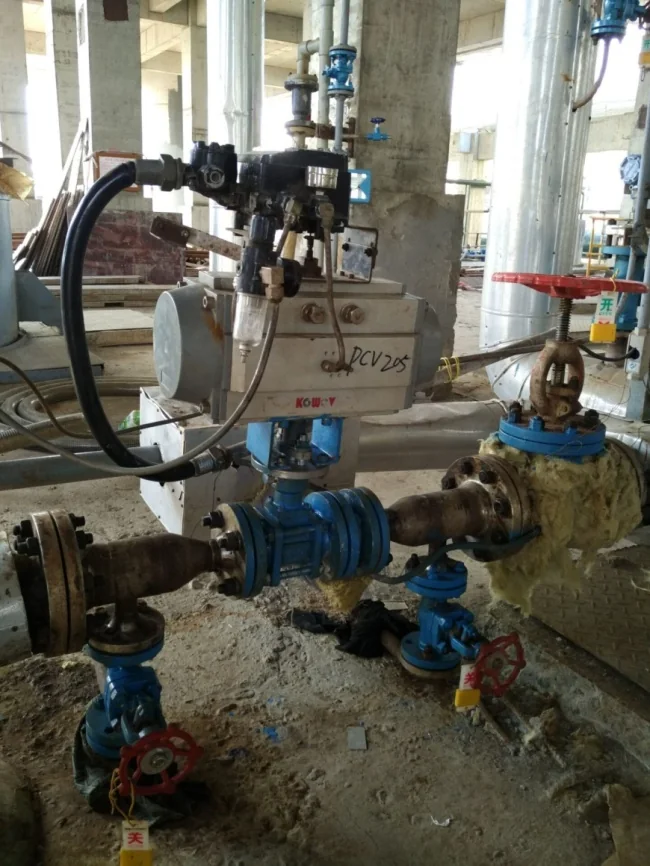
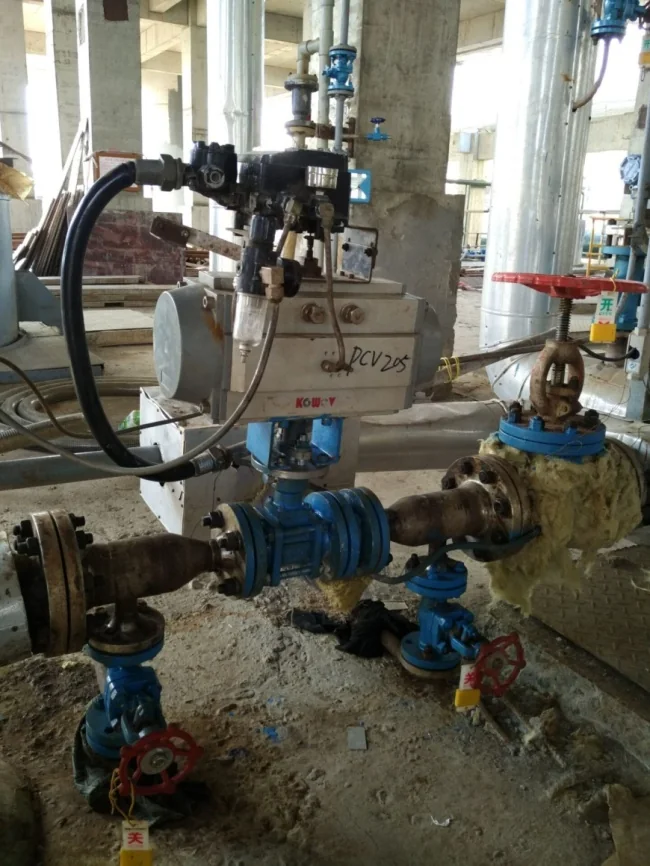
At one chlor-alkali plant, pneumatically actuated conventional metal-seated valves in DN65, DN80 and DN200 were installed on the calcium carbide slurry inlet lines of the filter press. Although the valves were designed for remote operation, continuous slurry erosion and scale buildup caused leakage and seizure. Routine cleaning was required frequently, while major removal, repair or replacement was typically necessary every 3-6 months. Once seized, the valves could no longer respond to remote operating commands, defeating the purpose of automated control
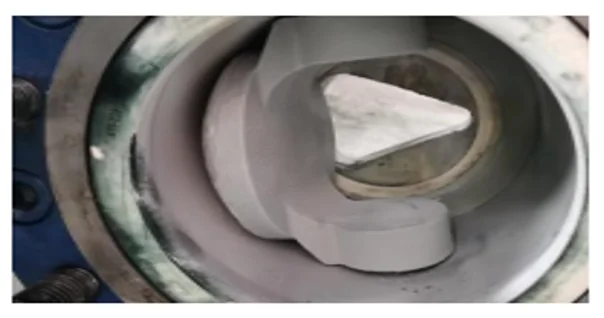
To solve the problem, the plant installed KOWOV Ceramic C-Segment Ball Valves. Since commissioning, no valve-sticking failures have been reported. Inspection found no significant scale accumulation or other abnormalities on the ceramic flow-path surfaces. Following the successful trial, the customer began replacing conventional metal valves on additional filter press lines
Valve Performance Comparison
| No. | Item | Conventional Metal Valve | KOWOV Ceramic C-Segment Ball Valve |
|---|---|---|---|
| 1 | Valve Design | Cam-Flex / eccentric rotary design* | C-segment ball valve |
| 2 | Key Wetted Materials | Carbon steel / stainless steel | Structural ceramic |
| 3 | Shutoff Class | Class IV | Class IV |
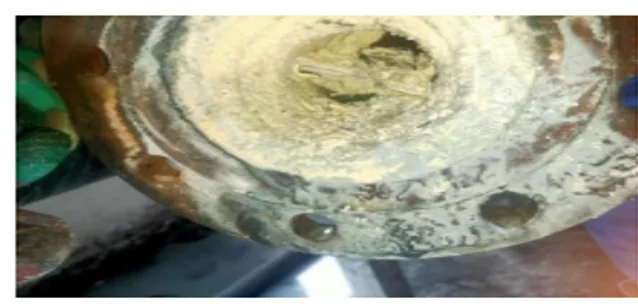
| 4 | Cleaning Interval | Sticking after approximately two weeks; cleaning required monthly | Normal operation after three months, with no sticking |
| 5 | Cleaning Time | Approximately two hours per event | No cleaning required during the reference period |
| 6 | Inspection Result | Severe scale accumulation | No significant scale accumulation observed |
Demonstrated Service Life: ≥3 Years
Why Choose Ceramic Valves?
Superior Abrasion and Erosion Resistance
Structural ceramics have a Rockwell hardness of HRA 87 or higher, substantially exceeding that of conventional metal alloys and PTFE-lined components. They withstand continuous impact and scouring from hard particles in calcium carbide slurry, reducing internal wear, leakage and valve replacement frequency
Excellent Corrosion Resistance
Structural ceramics are inorganic, non-metallic materials with excellent chemical stability. Under applicable operating conditions, they resist corrosion from alkaline slurry, chloride-containing media and many acidic or alkaline process fluids commonly encountered in the chlor-alkali industry
Smooth Surface and Low Adhesion
Precision-ground ceramic surfaces have very low roughness and low material adhesion, helping to minimize calcium carbonate scaling and solids buildup. The high-hardness ceramic flow path also withstands continuous slurry erosion, ensuring smoother operation and more accurate flow control
Stable Sealing and Process Control
The combination of high mechanical strength, smooth ceramic surfaces and precision-lapped sealing components reduces scaling, wear and internal leakage. Ceramic ball valves and ceramic C-segment ball valves therefore provide more stable control, fewer maintenance interventions and improved batch-to-batch process consistency
Conclusion: Ceramic ball valves and ceramic C-segment ball valves provide a reliable solution for long-term operation in calcium carbide slurry systems, significantly reducing valve sticking, leakage and unplanned maintenance
Commonly Used Products
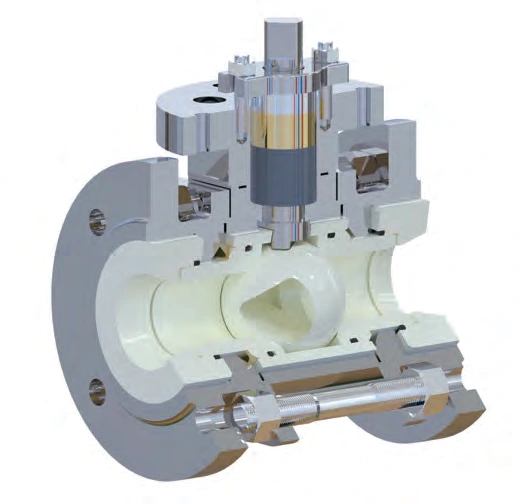
FCCV1
Standard Ceramic Ball Valve
A bidirectional ceramic ball-valve architecture for on-off duties where abrasion, corrosion or deposits affect the sealing path
View FCCV1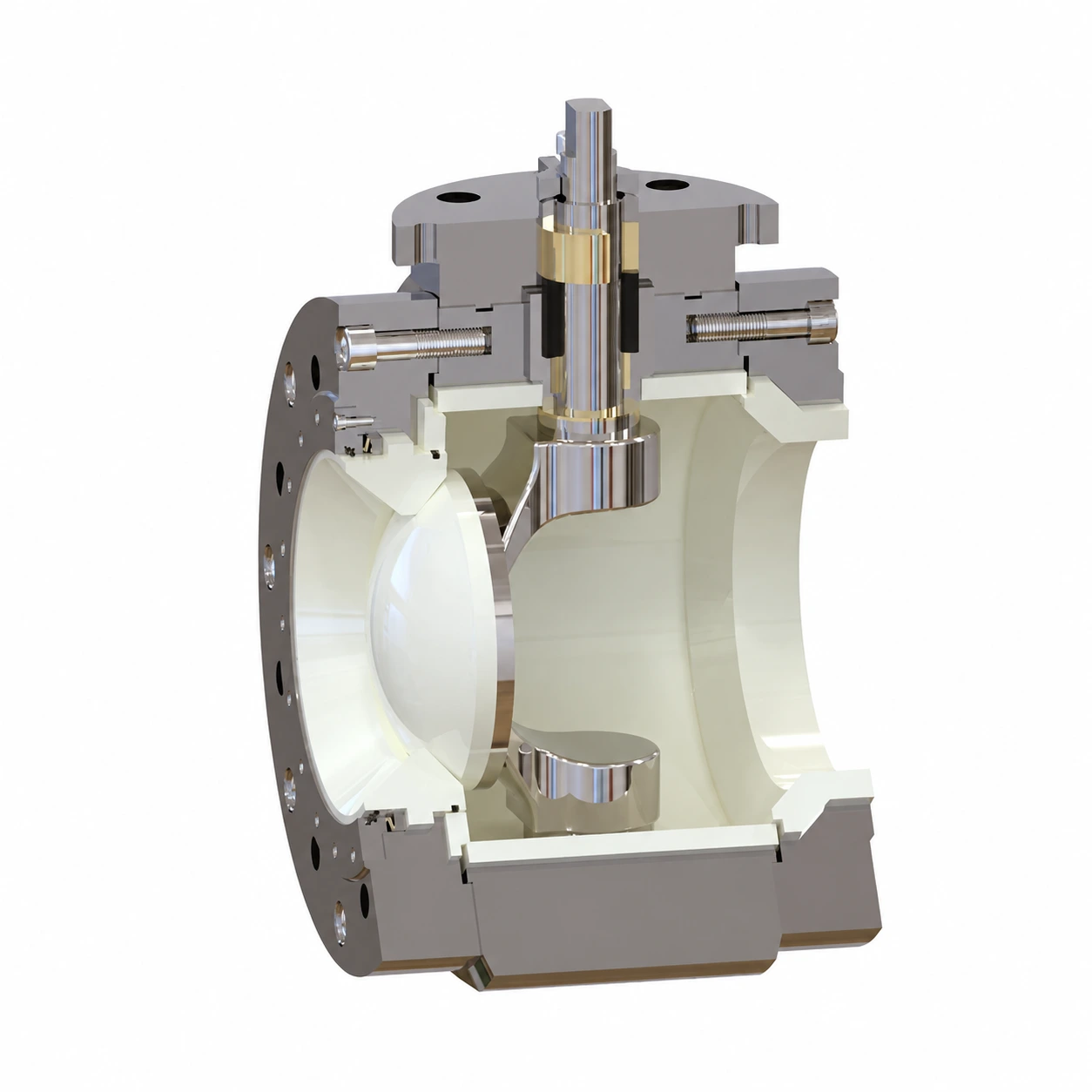
FCRV
Ceramic C Rotary Valve
A rotary C-segment flow path for regulation, shearing deposits and handling viscous or particle-bearing media
View FCRV
FCCV6
Single-Seat Ceramic Ball Valve
A single-seat configuration for slurry control where cavities, buildup and an obstructed flow path are concerns
View FCCV6Contact Us
Talk to our team about your filter press feed application
Discuss your application