Ceramic Valves for Carbide Slag Slurry in Acetylene Generation
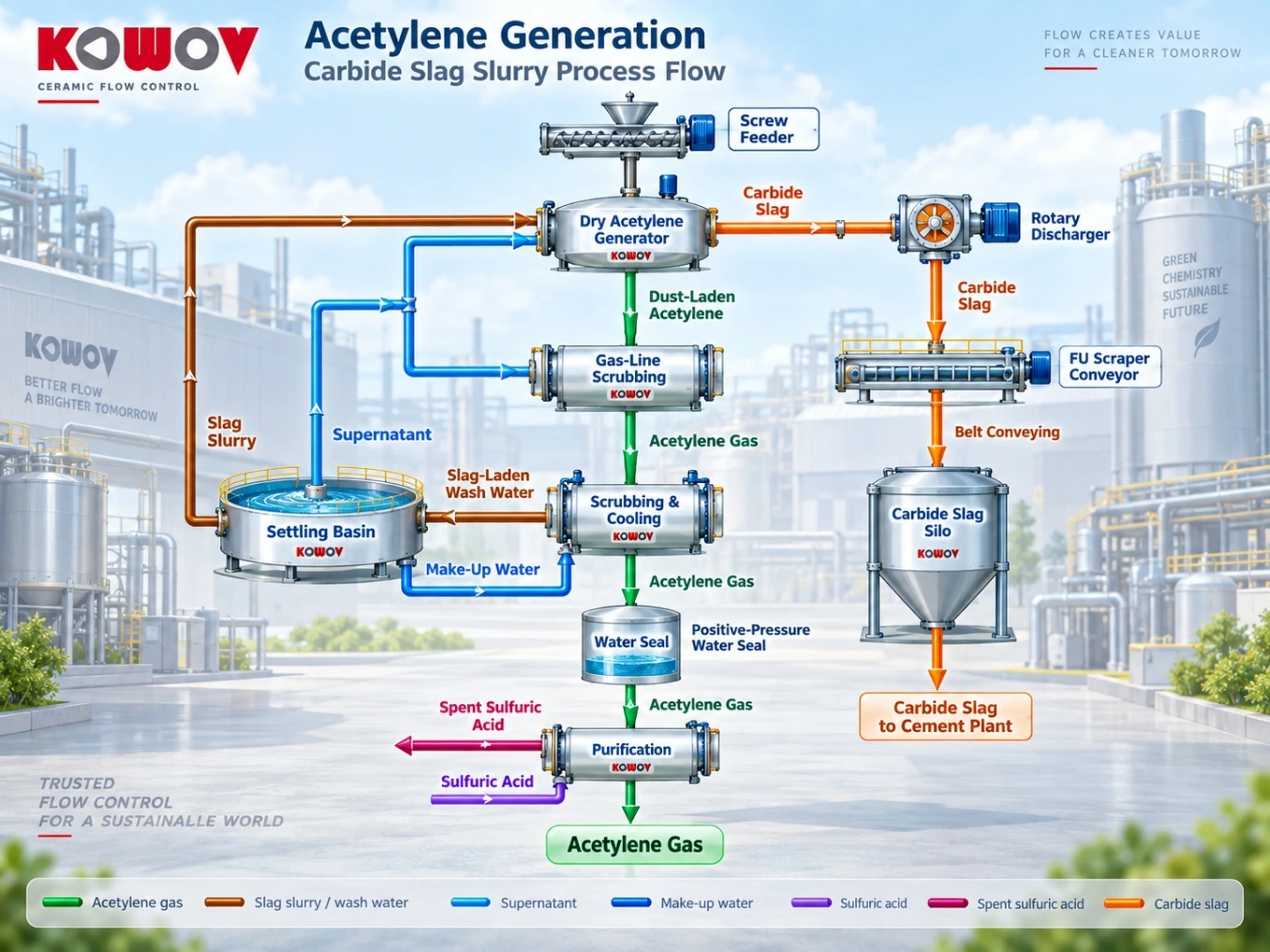
KOWOV ceramic valves are used for carbide slag slurry and recycled process water in calcium carbide-based acetylene generation. This application overview focuses on generator water control, abrasive wear, scaling and valve sticking, with related slurry recovery and filter press operations. It includes a ceramic C-type valve case reference and the FCCV1, FCRV and FCCV6 product range
Calcium Carbide Slag Slurry
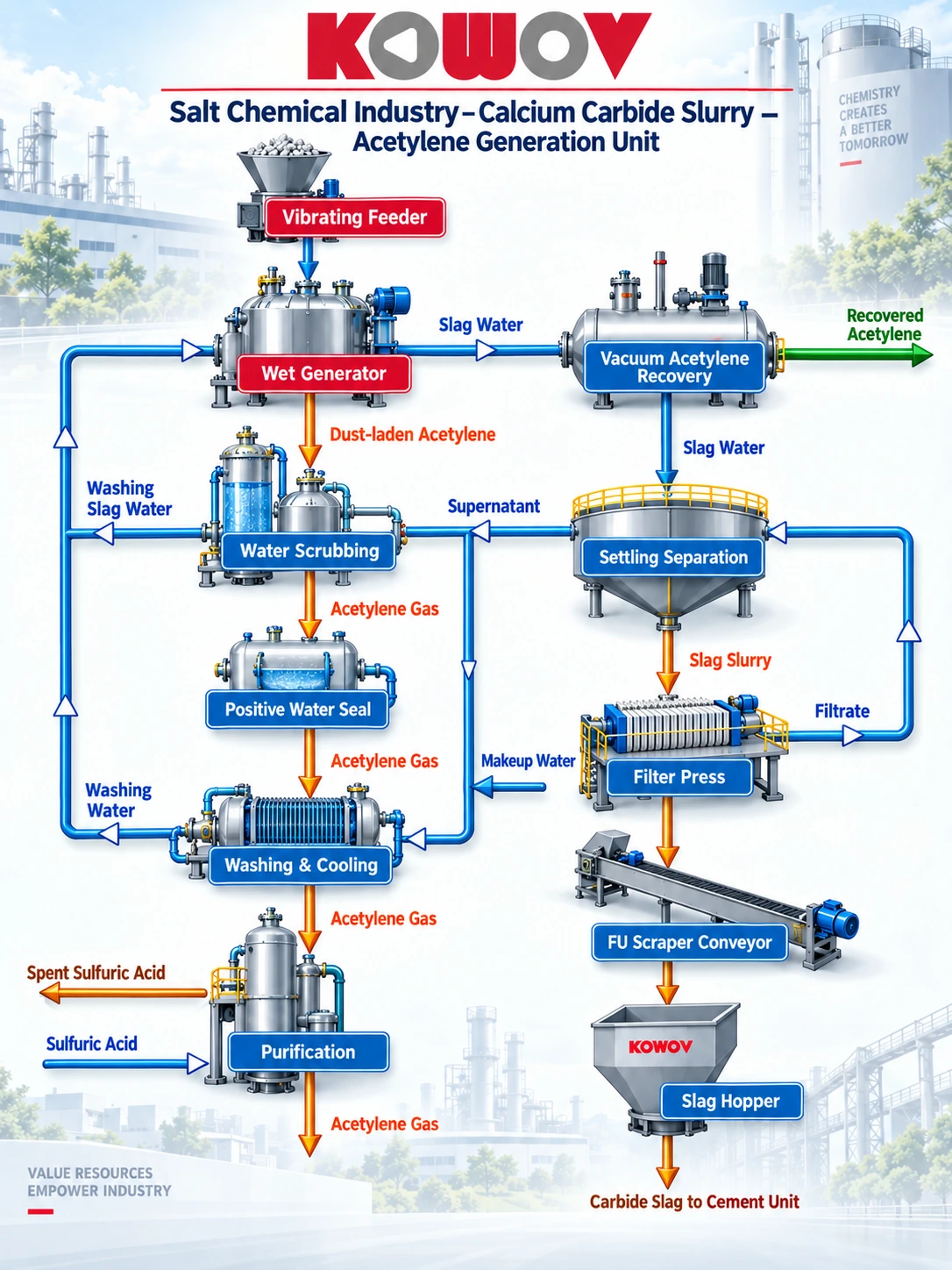
Calcium carbide slag slurry is widely present throughout calcium carbide-based acetylene production, including acetylene generation, gas scrubbing, purification, and acetylene recovery systems
Its highly abrasive and scaling-prone characteristics frequently cause valve erosion, internal buildup, sticking, and blockage, affecting continuous and reliable plant operation
Operating Conditions
Calcium Carbide Acetylene Generator
The primary reaction in a calcium carbide acetylene generator is:
CaC₂ + 2H₂O → C₂H₂ + Ca(OH)₂
In dry-process acetylene generators, water addition is controlled by metered spraying, while wet-process generators typically regulate water addition through liquid-level control. Clarified carbide slag liquor is often recycled as process water and may still contain suspended carbide slag particles
The suspended solids are abrasive and highly prone to scaling. They can erode valve internals and form hard deposits on valve and pipeline surfaces, resulting in internal leakage, increased operating torque, sticking, or failure to open
Operating Parameters
| Item | Value | Item | Value |
|---|---|---|---|
| Medium | Clarified carbide slag liquor containing suspended solids | Phase | Liquid-solid two-phase flow |
| Operating Pressure | ≤0.6 MPa | Nominal Pressure | PN16 / PN25 |
| Differential Pressure | ≤0.5 MPa | Nominal Diameter | DN25-DN125 |
| Operating Temperature | <100°C | Thermal Conditions | No significant thermal shock |
| Characteristics | Abrasive and scaling-prone | Application | Isolation and flow control |
Medium Details
| Parameter | Recommended English |
|---|---|
| Chemical Composition | Calcium hydroxide [Ca(OH)₂], calcium carbonate (CaCO₃), residual carbide, and other suspended solids |
| Corrosive Components | Low concentrations of chloride ions may cause localized corrosion |
| Corrosivity / pH | Alkaline; actual pH to be confirmed by site analysis |
| Solids Content | To be confirmed by site data |
| Particle Size | To be confirmed by site data |
| Particle Hardness | To be confirmed by site data |
Unique Operating Challenges
Localized Chemical Corrosion
Although the bulk medium may be only moderately corrosive, chloride ions can still cause localized corrosion of conventional metal components. Duplex stainless steel 2205 may be considered depending on the actual chloride concentration, temperature, and pH
Abrasive Erosion
Carbide slag slurry contains suspended carbide residue, iron-bearing particles, and other hard solids. These particles continuously erode valve flow passages and sealing surfaces, particularly in small-bore, high-velocity pipelines, resulting in internal leakage and premature valve failure
High Solids Content and Plugging
The slurry may have a high solids content and elevated apparent viscosity. Solids readily settle and accumulate in valve cavities, dead zones, and restricted flow passages, increasing operating torque and causing sticking or blockage
Crystallization and Hard Scale Formation
Calcium hydroxide in the medium can react with absorbed carbon dioxide to form calcium carbonate. These solids crystallize and accumulate as hard scale on valve and pipeline surfaces, gradually restricting the flow passage and preventing complete valve operation. The conversion of Ca(OH)₂ into precipitated CaCO₃ is a recognized carbonation process. arxiv.org
Equipment and Operational Risks
- Abrasive particles erode sealing surfaces, reducing control accuracy and causing internal leakage. Frequent maintenance and valve replacement increase lifecycle costs
- Crystallized deposits and hardened scale can obstruct valves and pipelines, causing valves to stick or fail to open. Manual cleaning is labor-intensive and results in extended production interruptions
Keywords: Chlor-Alkali Industry, Calcium Carbide, Acetylene Generator, Carbide Slag Slurry, Clarified Carbide Slag Liquor, Scaling, Crystallization, Ceramic C Valve, FCCV6, FCRV
Process Pain Points and Improvement Opportunities
Conventional Valve Materials and Types
Conventional solutions mainly include metal-seated ball valves and eccentric hemispherical valves. Some valve internals are protected with tungsten carbide coatings or polymer-based coatings to improve wear and corrosion resistance
Problems with Conventional Valves
Continuous slurry erosion damages the sealing surfaces and reduces control accuracy. Calcium-containing deposits crystallize and accumulate inside valve cavities, causing increased operating torque, sticking, and eventual failure to open or close
Cleaning Frequency and Service Life
Valves typically require cleaning every 3-4 months. After approximately 8-9 months of operation, erosion of the sealing surfaces frequently results in internal leakage and unstable flow control
Losses Caused by Shutdown Maintenance
The system must typically be shut down every three months for valve and pipeline cleaning. These frequent shutdowns interrupt continuous acetylene production, increase labor and maintenance costs, and create additional risks during system isolation, disassembly, cleaning, and restart
Scale removal and valve replacement also consume significant time and resources, reducing equipment availability and increasing the overall lifecycle cost of the system
Case Study
Selected End Users
- Inner Mongolia Junzheng Chemical Co., Ltd., since 2020
- Baotou Haipingmian High Polymer Industry Co., Ltd., since 2020
- Inner Mongolia Yihua Chemical Co., Ltd., since 2022
- Shandong Lutai Chemical Co., Ltd., since 2022
- Inner Mongolia Shuangxin Environment-Friendly Material Co., Ltd., since 2022
- Inner Mongolia Sanwei New Materials Co., Ltd., since 2024
Across calcium carbide-based acetylene production, including acetylene generators, carbide-slurry recovery and filter-press systems, valves commonly suffer from severe erosion, wear, crystallization, scaling and plugging. Conventional metal valves are therefore prone to seizure and internal or external leakage, requiring frequent removal, cleaning and maintenance. This increases operator workload and disrupts stable production
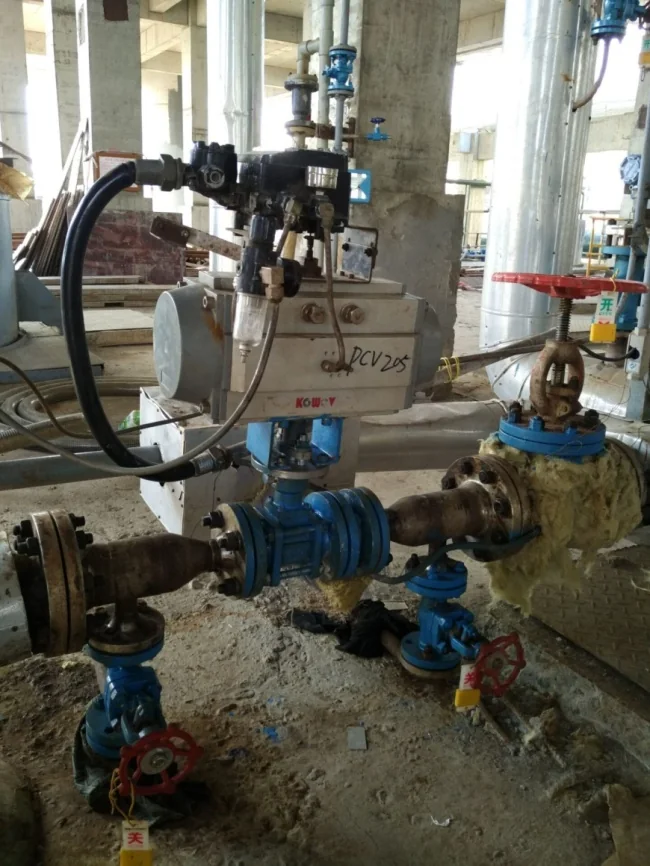
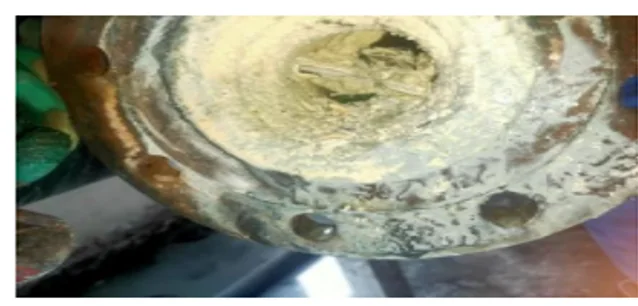
At one chlor-alkali plant, the water-control valve serving an acetylene generator was originally a conventional metal valve. The medium was clarified recycled water recovered from calcium carbide slurry. Calcium hydroxide in the water reacted with dissolved or entrained carbon dioxide to form calcium carbonate deposits on the piping and valve internals. The deposits repeatedly caused the valve to seize, preventing normal operation and destabilizing generator water control
The valve had to be removed frequently for cleaning. Even high-pressure water jetting was ineffective, and heat had to be applied to fracture the hardened deposits, substantially increasing maintenance time and workload
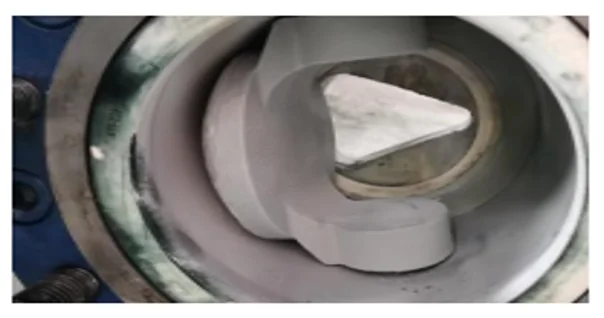
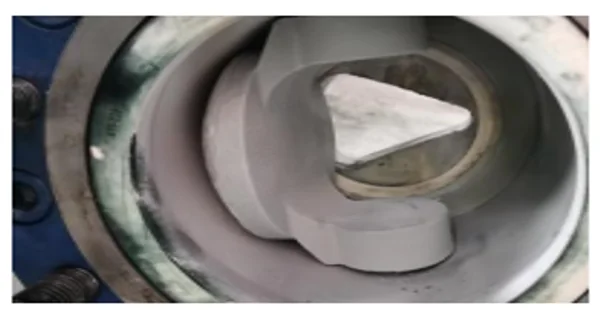
A KOWOV Ceramic C-Segment Ball Valve was subsequently installed. Since commissioning, the valve has operated without sticking. Inspection found no significant scale accumulation or other abnormalities on its internal surfaces. Following the successful trial, the customer began replacing conventional metal valves on additional acetylene-generator lines
| No. | Item | Conventional Metal Valve | KOWOV Ceramic C-Segment Ball Valve |
|---|---|---|---|
| 1 | Valve design | Cam-Flex eccentric rotary valve | C-segment ball valve |
| 2 | Key wetted materials | Carbon steel / stainless steel | Structural ceramic |
| 3 | Shutoff class | Class IV | Class IV |
| 4 | Cleaning interval | Sticking after approximately two weeks; cleaning required monthly | Operated normally for three months without sticking |
| 5 | Cleaning time | Approximately two hours per event | No cleaning required during the reference period |
| 6 | Inspection result | Severe scale buildup | No significant scale buildup observed |
Demonstrated Service Life: ≥3 Years
Why Choose Ceramic Valves?
Superior Abrasion and Erosion Resistance
Structural ceramics have a Rockwell hardness of HRA 87 or higher, substantially exceeding that of conventional metal alloys and PTFE-lined components. They withstand continuous impact and scouring from hard particles in calcium carbide slurry, reducing internal wear, leakage and valve replacement frequency
Excellent Corrosion Resistance
Structural ceramics are inorganic, non-metallic materials with excellent chemical stability. Under applicable operating conditions, they resist corrosion from alkaline slurry, chloride-containing media and many acidic or alkaline process fluids commonly encountered in the chlor-alkali industry
Smooth Surface and Low Adhesion
Precision-ground ceramic surfaces have very low roughness and low material adhesion, helping to minimize calcium carbonate scaling and solids buildup. The high-hardness ceramic flow path also withstands continuous slurry erosion, ensuring smoother operation and more accurate flow control
Stable Sealing and Process Control
The combination of high mechanical strength, smooth ceramic surfaces and precision-lapped sealing components reduces scaling, wear and internal leakage. Ceramic ball valves and ceramic C-segment ball valves therefore provide more stable control, fewer maintenance interventions and improved batch-to-batch process consistency
Conclusion: Ceramic ball valves and ceramic C-segment ball valves provide a reliable solution for long-term operation in calcium carbide slurry systems, significantly reducing valve sticking, leakage and unplanned maintenance
Commonly Used Products
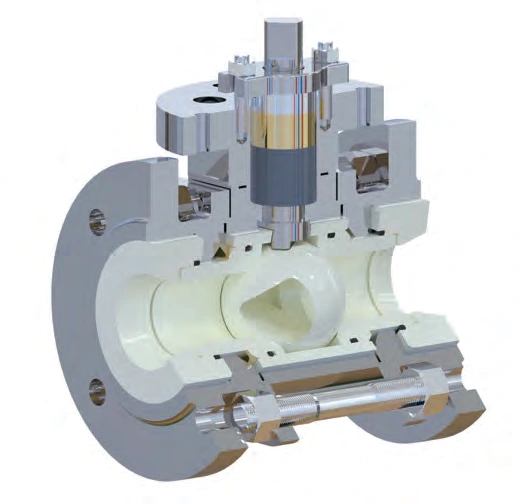
FCCV1
Standard Ceramic Ball Valve
A bidirectional ceramic ball-valve architecture for on-off duties where abrasion, corrosion or deposits affect the sealing path
View FCCV1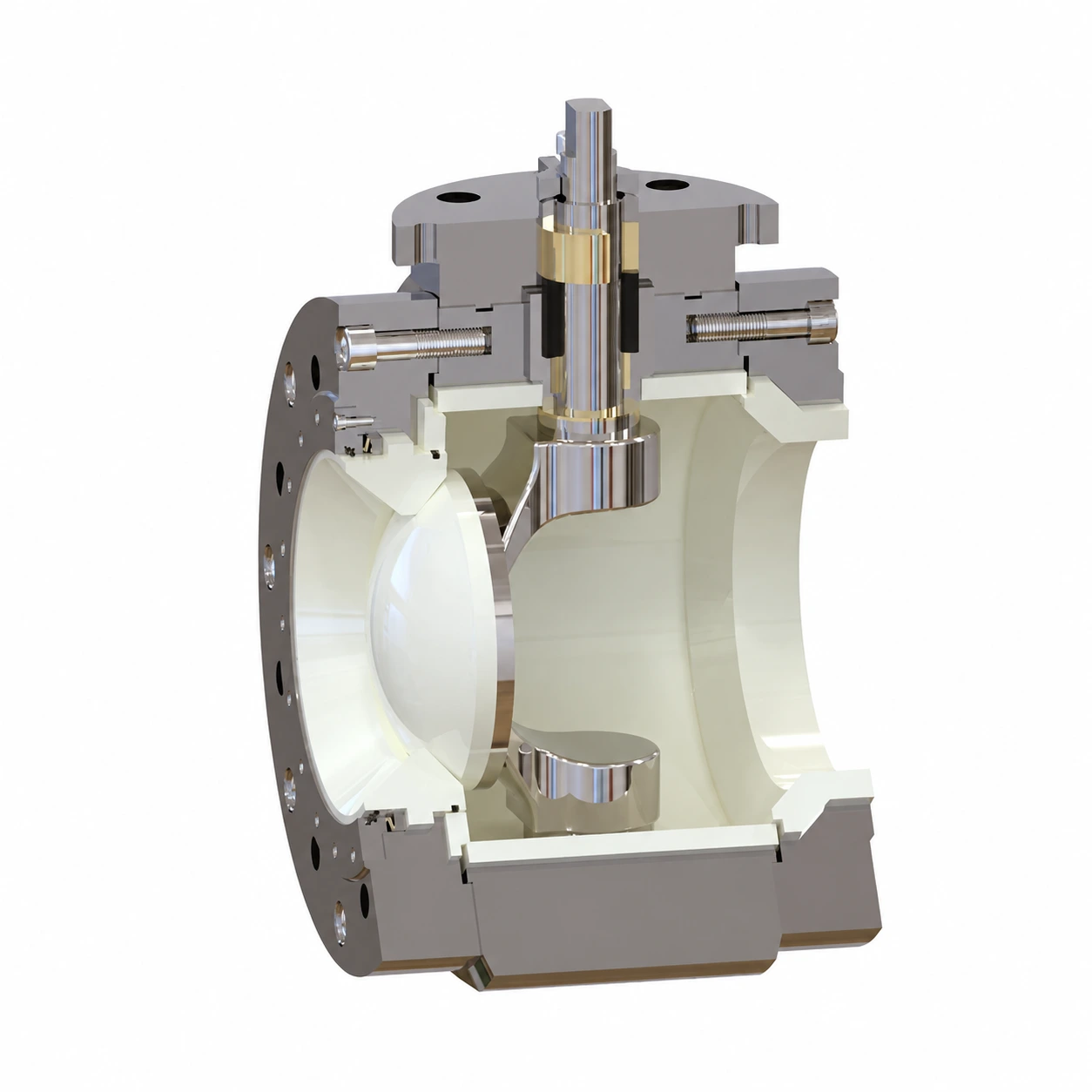
FCRV
Ceramic C Rotary Valve
A rotary C-segment flow path for regulation, shearing deposits and handling viscous or particle-bearing media
View FCRV
FCCV6
Single-Seat Ceramic Ball Valve
A single-seat configuration for slurry control where cavities, buildup and an obstructed flow path are concerns
View FCCV6Contact Us
Talk to our team about your carbide slag slurry application
Discuss your application